Pine Trees or Politicians

Certain phrases stick with me like burrs to my clothing when walking through a grassy field.  No sense in trying to brush them off; besides, to do so I may discard something of value, that in the right surroundings could save my life.  This week’s sticky burr of a quotation comes from John Philip Newell’s Sacred Earth Sacred Soul,  in which he covers a chronology of Celtic Christianity with short biographies of theologians as far back as the 4th century who lived a Celtic spirituality. 
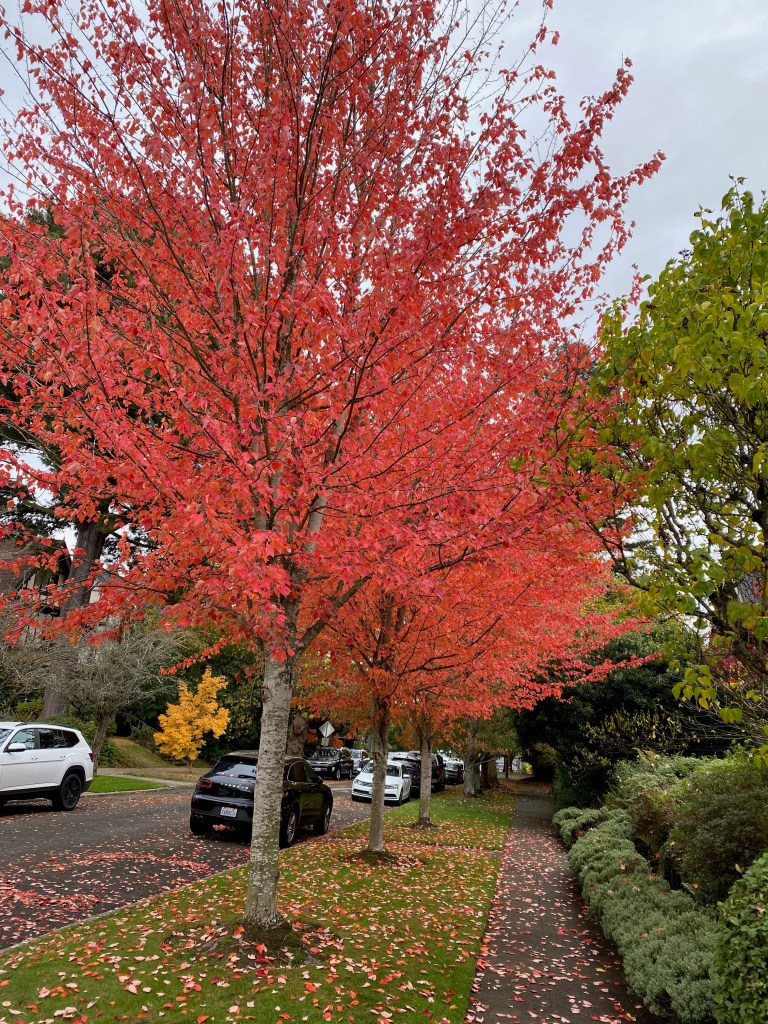
Perhaps the phrase stuck for its alliteration – easy to hear those “p’s” skipping from my lips as I juxtapose pines and politicians.  Nonetheless, White’s phrase stays with me.  I want to consider my relationship to Nature and Politicians.  How do I start my days?  I often turn on NPR for the morning news and commentary that is 99% depressing.  I hear voices of politicians in their most recent declarations of intention. Their words are consistent with whatever feeds their ambition.  There is no plot to follow.  I could skip listening to Morning Edition for a year, then return to it a year later to discover I had not missed a thing in the tenor of our time.  Rather like a bad soap opera.  For variety, I could switch to another newsfeed, perhaps not aligned to my feelings about the state of the world, not to mention the condition of our country.  But would any of these broadcasts enhance my life?  Would their negativity call me to action?  Would I come to a fuller understanding of my purpose on the planet?  Ironically, I am often listening to Morning Edition on my walks at dawn from my house down to and around the U of W campus, a six-mile morning walk under old established trees in old established neighborhoods: blossoming cherry trees in April, vermillion maples in autumn, tall proud pines and cedars all year long.
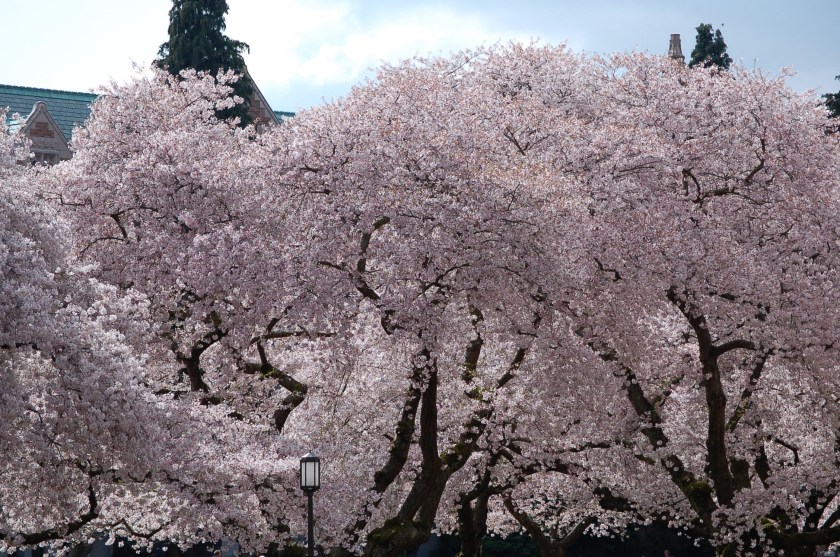
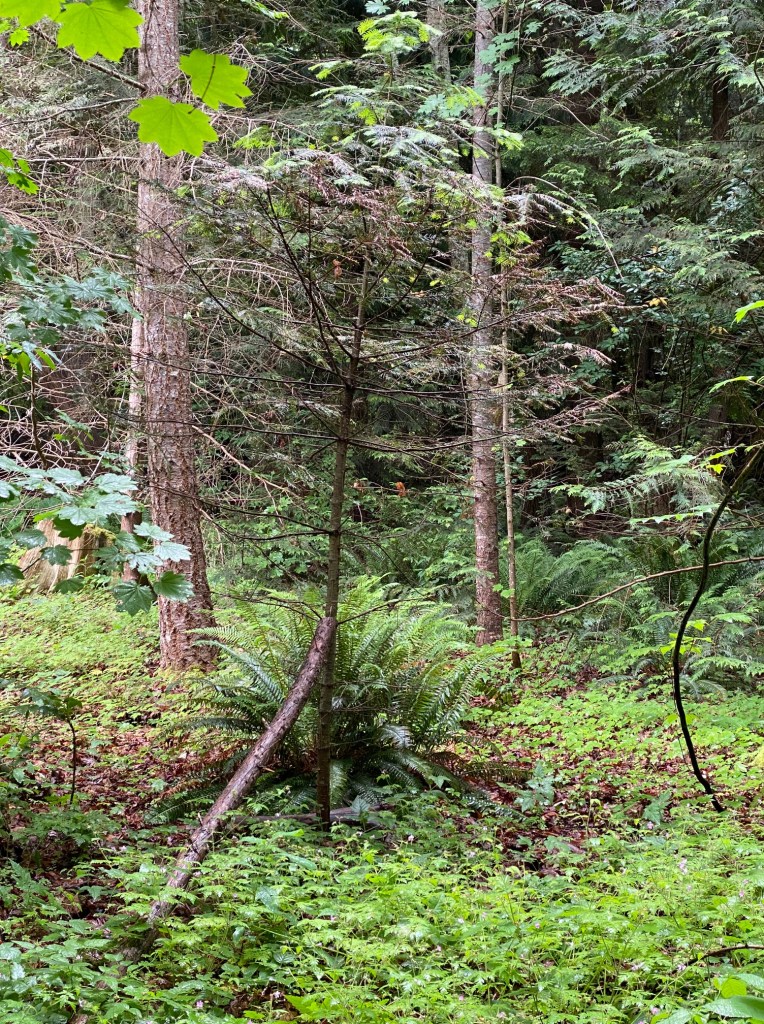
Now here comes Scottish poet, Kenneth White suggesting I might join him in listening to the trees rather than the politicians.  How do I listen to the trees? The cherry blossoms are speaking beauty and rebirth.  The autumnal maples and sweet gums recite their own poetry.  Poet Gerard Manly Hopkins evokes images of trees in fall and mourns the imminent death of summer “Margaret are you grieving “ over Goldengrove unleaving? … worlds of wanwood leafmeal lie.” Then winter arrives and Robert Frost reminds us “The woods are lovely, dark and deep.”  Surely the poets help me listen to the trees.  Yet even without the writers, if I block out cars and pedestrians passing by, and if I concentrate, I hear the trees.  Their leaves whisper in summer breezes.  Occasionally, such as this very dry summer, the trees crack and snap, discarding a branch that lands on the sidewalk. These are city images.  Now if I take myself to the woods, I remember recent books I read about trees, teaching that there is a conversation between alders and the firs, one fast growing and nutritious to the welfare of the other.  Is that alder speaking to the fir?  I guess it depends on how we define language.
And if we can listen to the trees, especially hearing their needs for water and space and clean air, can the trees hear us?  Although we don’t share the same language, we are all living things.  Life communicates.  When my husband and I began to restore a clear-cut lot we purchased after the owners sold the trees and evacuated their property, we decided on a variety of trees, some 20 -foot Douglas Firs purchased from neighbors across the road, and some small fruit trees for a space left vacant when the previous owners disposed of their cabin. One pear tree initially grew fast and tall, but its pears did not thrive.  Insect-infested and hard, the few pears on gnarled branches fell to the ground where deer consumed them before we had a chance.  Every time my husband and I walked by the pear tree, he said, “That tree looks bad.  It really has to go.”  So how would you feel if every time someone passed you, these were the descriptive words for you?  You would want to die, right?  And of course, the pear tree died.  Not wanting to accuse my husband of projecting a death wish on the tree, I nonetheless registered the lesson.  Years later, I desired a Katsura tree, for there are several in Seattle where I walk.  In autumn the pink leaves wave a fragrance I associate with the sweet smell of cotton candy.  From the moment we planted it, I have welcomed that Katsura tree almost every day.  I tell it how lovely and thriving it is, even though a workman backed his tractor into the trunk last year, leaving a two-foot scrape on the trunk.  “Good morning, Katsura.  I am so glad you are here.  Looking forward to your autumnal fragrance.”  It is now almost twenty-five feet, its leaves fluttering in the dappled sunlight, even though nearby cedars consume a great deal of available light.

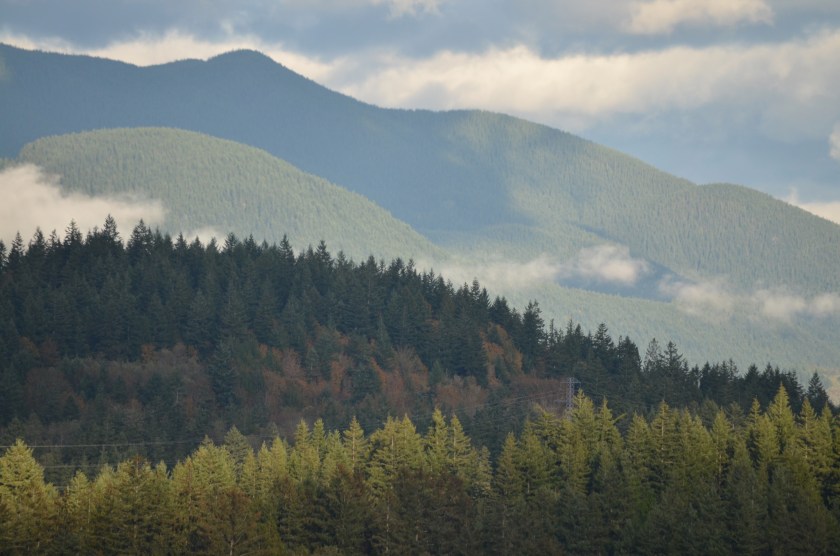
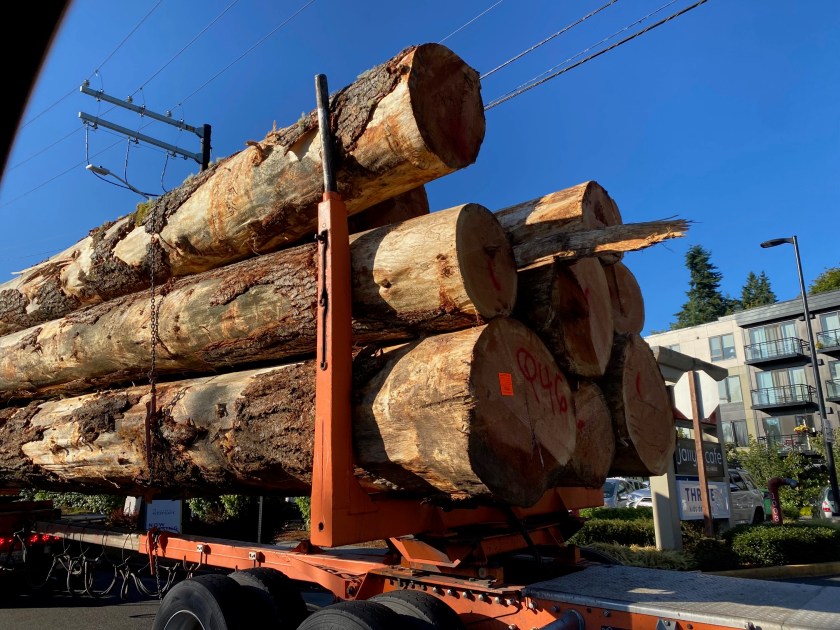
On the way back to Seattle Monday morning, three gigantic logging trucks rolled on to the ferry ahead of us.  Their beds were piled with logs about five feet in diameter and perhaps fifty feet or more in length.  These were not the usual harvest of tree farms.  Rather they looked like the established trees from the National Olympic Forest.  I recall Donald Trump’s call for opening-up national forests to loggers.  I can imagine what birds and animals would say in response. But what about the trees?  Is any politician listening to the pines?
INCOMPLETE

It is the middle of July.   This morning’s walk along the trails of our woods, we stop as usual to climb the ladder to the treehouse where we listen to birds and the chuckle of the small creek emptying into our pond. At the top of the ladder and below the shake half-roof, Allan points to where the morning sun lights up a half-formed spider web. No better art lighting could enhance the architecture of the intricate web.  I approach cautiously to photograph it before the sun hides behind trees.  “But look, “Allan notes, “It is incomplete.”  As you easily see, the web is half a web, abandoned, no spider-creator in sight.

I dwell on “incomplete.”  As a teacher, it had import.  Often a student, unable to finish an assignment, would stay after class to ask, “May I take an incomplete?”  Sometimes the request was for a single project, sometimes for an entire semester’s grade.  There were multiple reasons for taking an incomplete from having begun too late or being ill prepared, to an interruption at home –an illness, a family vacation.  But whatever the reason, an incomplete was somehow better than an F.  Yet, although better than an F, it was still weighed down by a sense of failure, of falling behind. 

Sometimes the student would continue to work on the assignment and eventually return for evaluation.  But often an incomplete was something like Robert Frost’s words from The Road Not Taken.  As way led on to way, the traveler knew they would not go back.  Life interrupts life.  We are off to weave another web.

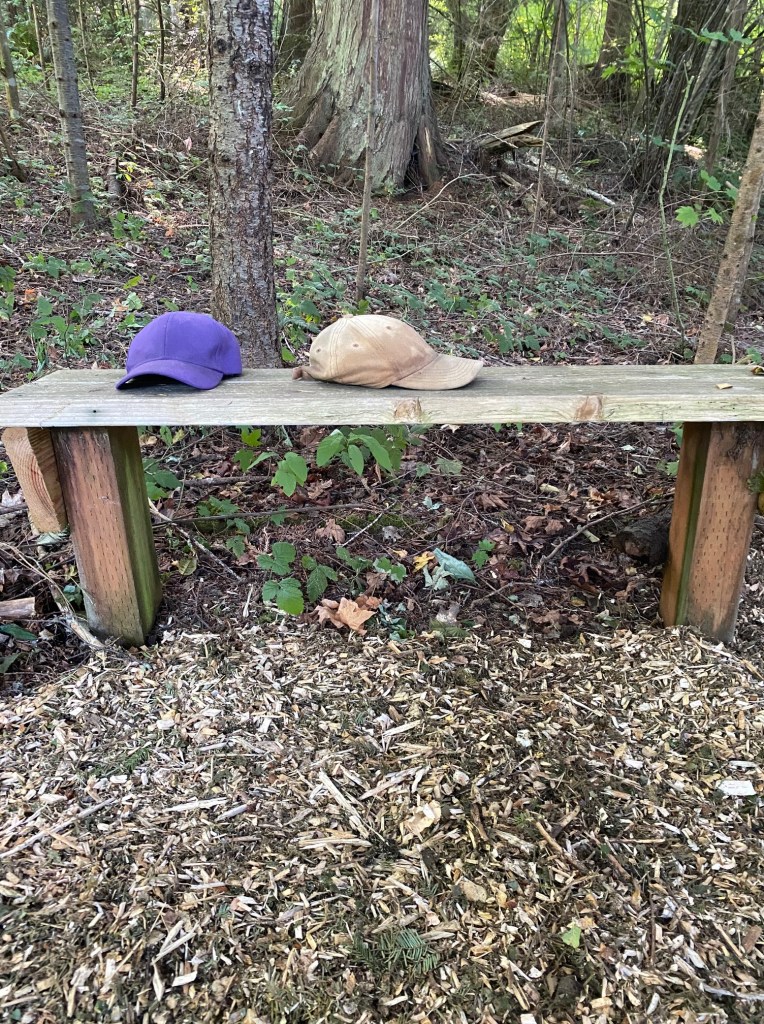
Today my meditation on the incomplete spider web would not leave me.  Farther along our walk, I noted on a bench two caps, one belonging to our hired helper who has been spreading chips on the trail, the other to his assistant.  Had they paused to rest here, chip hauling and spreading being a hard and sweaty task?  Although their work was incomplete, they had neatly spread yards of cedar chips, were nearly done, and promised to return on Monday.  I liked seeing their caps there and thinking of their wisdom in taking a break to rest, to drink from water bottles, and proceed later, even without their caps.

As usual, with my mushrooming thoughts, the figure of incompletion led to something bigger.  Today we learned that President Biden has chosen to pass the torch of leadership to another representative of the Democratic party.  Until today, he remained steady in his resolve to complete a task on which he set his whole life.  He did not want to take an incomplete. Wherein would his commitment to finish the job alone make a difference? Would there be shame in his taking an incomplete on this one?  Joe Biden has given his entire adult life to serving our country as an elected official, so today’s decision could easily be applauded as the completion of a dedicated career.

I think of so many accomplished people who chose not to complete school so as to follow their interests and talents in other directions:  the two-time Pulitzer Prize winning  playwright August Wilson, at fifteen left school to self-educate rather than suffer the racist intolerance he experienced in high school. Bill Gates with a privileged enrollment at Harvard University “failed” to graduate.  Is he a failure?

There is that spider web woven while we were sleeping and given to us in the morning light.  It is not done, but it is beautiful.  The artifice with which it was created cannot be denied.  Is completion overrated?  Among the many things I value in the University UCC church that I attend is the church slogan:  “Don’t put a period, where God has put a comma.  God is still speaking.”  Certainly, Creation itself is incomplete.

HELP!

See the skinny fir tree.  See the board propped up against its trunk?  It has been a year and a half since we pulled up the adolescent fir from where it had grown and moved it to the present spot, a place much in need of a native fir after we removed four large Leyland cypresses.  We held hopes for our new open space, hopes to reforest with native trees, primarily firs, and we planted at judicious spacing some small ones before pulling up this teenager and plopping it in place where it soon leaned over as if mourning the move.  Thus, we propped a board against the trunk to help it continue reaching for the sun, then packed compost around the roots, and waited over an unusually cold winter, while the branches shed their needles, leaving us to ask in February whether the tree survived.  Now rainy April and sunny May have arrived.  At the tree’s crown, a fan of fresh green needles waves brightly.  The tree is alive!  We can already imagine its prominence among the other native vegetation on the hill.  How satisfied we feel in helping the tree survive.

Ten years ago, when I began writing this blog about Thoughts After Seventy, I had thoughts to examine about what it means to be elderly.  What are my needs?  Almost immediately the answer came to me, “I need to be needed,” and so I wrote about a septuagenarian’s wish to be relevant, to be helpful.  That remains true after turning eighty, but today I find myself struggling with HELP.  Human interaction is not the same as propping up an adolescent tree, as metaphorically pleasing as that sounds. 

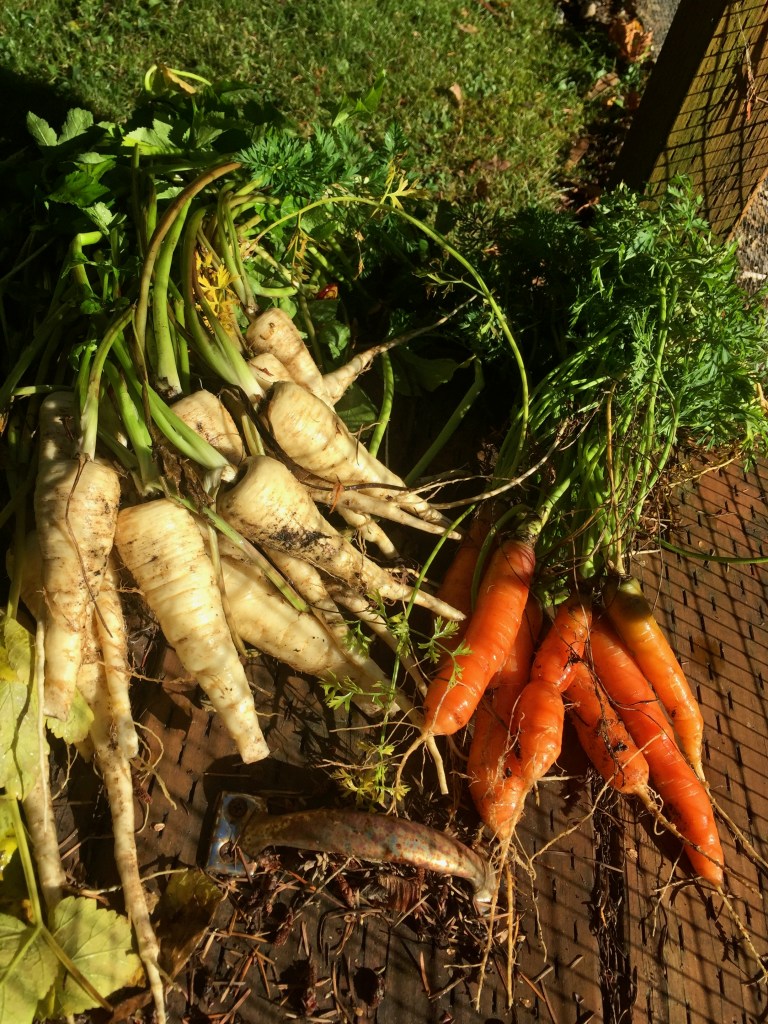
Whom might I help?  Who wants my help?  Who would eschew my help regardless of my good yearning-to-support-you intentions? In the grocery store a child wedges the shopping cart between a display of paper towels and laundry detergent.  His mother tugs at the cart to avoid tumbling paper towels in the aisle.  Her child squeals, “No, mine!  I can do it.” I hand a packet of carrot seeds to my grandson for spacing in a hoed furrow.  Weeks later, carrots emerge in a tight fist of orange spikes from spilled seeds.  He planted them “his way.” 

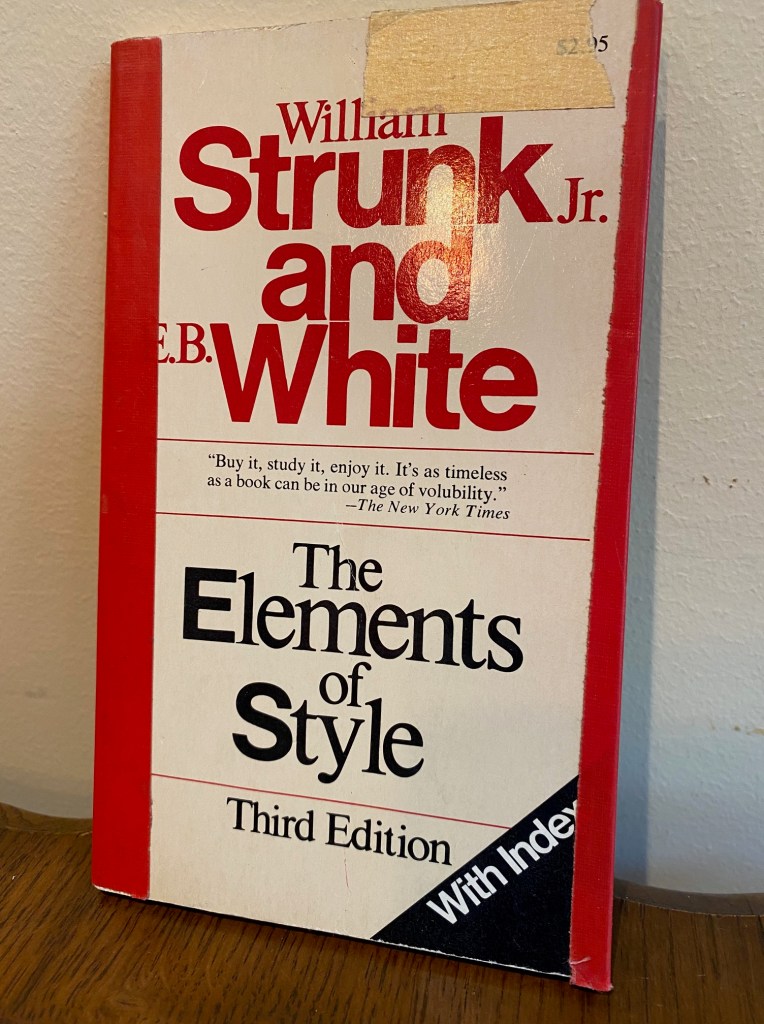
How can I be helpful if my help is not requested?  What skills or knowledge do I have at this point in my life that would be helpful to share with others?  Well, there are all those years teaching high school English.  I know the difference between subjective and objective pronouns, not to mention usage distinctions between lie and lay or less and fewer.  On occasion, friends and family ask for my help in editing their writing to check for standard usage.  I feel fulfilled by helping out. On other occasions, I see writing from friends and family that could use pronoun clarification or a punctuation tweak.  Their writing may come my way by a shared email, a letter, or even their own blog posts. I commonly note in their writing when a verb is separated from its object by intervening words, a writer will use a subjective rather than an objective pronoun; for example, “The coach chose my brothers and I,” for the team.  The writer would never write “The coach chose I,” but since brothers comes between verb and object, the writer doesn’t hear the verb crying out for an objective pronoun, and the writer uses I instead of “The coach chose my brothers and me.”  I confess here, that “errors” in English usage are like little missiles exploding in my English-teacher brain. I have yet to faint from a cerebral bleed. Would I be helping others with a little pronoun lesson?

In search of an answer, I asked my husband and three friends what I should do.  They were unanimous is saying, “Do nothing.”  You don’t “correct,” “teach” (whatever euphemism you choose ) someone’s grammar/usage without being invited to do so.  It will be felt as judgmental.  Even if I don’t feel as if I am judging?  Makes no difference – it will be felt as judgmental.  Should I ask friends, “Would you like my help with your English usage?”  Nope. That sounds patronizing.  With a granddaughter I might get away with it.  I read my granddaughter’s exquisitely written introduction to a book she is writing.  Noting some uses of semi-colons and colons, I asked if she would like my help. “Thanks, Nana, but I am not ready for line edits yet.”  Perfect.  Both of us felt good.

“Help” is circumstantial.  Having confessed that at my age I want to be needed, perhaps I am offering help where it is not desired because of my own wish to feel relevant and useful, long after I have left a classroom where I was employed to promote pronouns.  I am at an age where I will be asking for help more than providing it.  A call to my daughter or grandchildren for computer/ internet assistance is a diurnal request.

It’s all in the Beatles, Help.  In the first few lines, help and need are paired.  A few lines later age comes in:

When I was younger, so much younger than today
I never needed anybody’s help in any way
(Now) but now these days are gone (these days are gone)
I’m not so self assured .

To be able to help someone adds to our self-assurance, a kind of “I can do it” feeling when there are so many things I cannot do – such as open a jar of pickles or even the tops of pill bottles. 

Recently, I checked in with a friend back East whose husband is coping with age-related health issues.  She assured me that over-all he is doing fine, but last week he stumbled over a curb in the grocery parking lot and fell.  “I didn’t even have time to call for help,” she said.  “Within seconds there were four men by his side, helping him to his feet.”  We agreed, people can be instinctively helpful.

Is anyone out there stumbling over their pronouns or prepositions?  Would you want my help?