
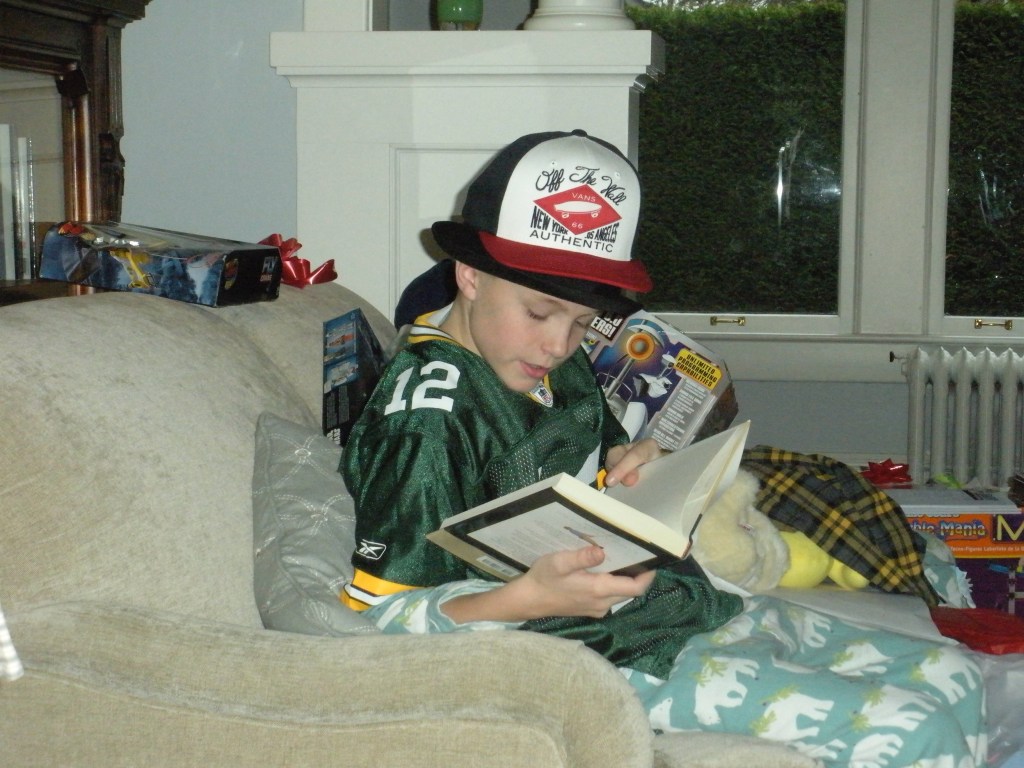
Speaking with my older brother last week, he offered me, “Father winds the clock.” The phrase set him thinking, and since his sharing it with me, the phrase is following me around like a dust mote that could be brushed off my shoulder if I would take the time. Then last weekend when my grandson was visiting from college for spring break, we got to discussing movies. I opined that I liked mysteries, more or less, sometimes less “more” than other times depending on the plot. He laughed at more or less, took out his cell phone and wrote down the phrase in his Notes app. In that app are hundreds of phrases that have intrigued him and for which he may someday find use, such as in naming a film script he is writing.

Words and phrases invade me like the body snatchers, a rather gruesome analogy, because they aren’t all creepy. However, they are possessive of my conscious moments. Take Father winds the clock. I suspect Jim liked that as I do because it got him to thinking of the various roles we assume in a domestic household, roles that somewhat define character. Few people have wind-up clocks anymore, a shame, because time is a patron saint of our lives. To have to wind a clock keeps us mindful of the days ticking by. In the phrase my brother loves, it also defines the role of a parent in a family, in this case a rather patriarchal role. Father gains importance because of his role in winding the clock. The clock becomes a symbol of Father’s purpose as caregiver, keeper of time. In my 80th year, the phrase also triggers my image of a father dying and the clock silenced lacking his precise movement of the hands. What a profound silence such death is. For a moment, Time Stops.
Even time stops is one of those haunting phrases, particularly because it is antithetical to the truth. Time never stops, regardless of any person or device marking its movement. Never was I more aware of time’s progression than when my own father died. The following day, I was running the track above the basketball court at the Washington Athletic Club. Below me, a group of young men dribbled a basketball up and down the court. Outside the open window, I heard traffic on 6th Avenue as people commuted to morning jobs. Both activities felt like blasphemy. How could the world march on when my father was no longer in that world? Ironic, for with that very thought, I was running laps on that track. Time does not stop.
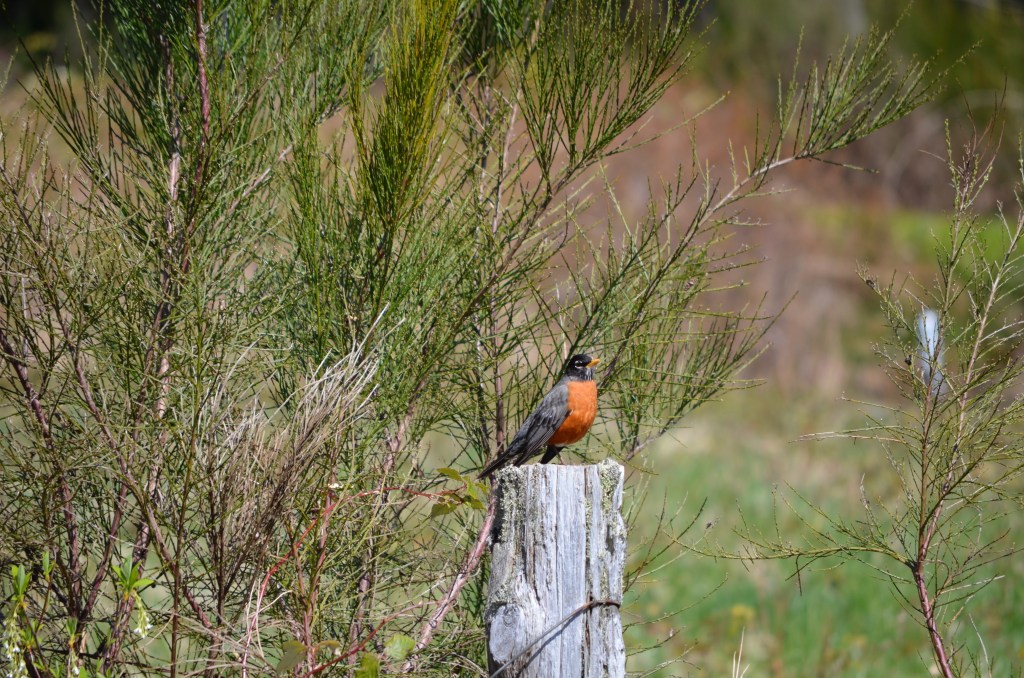
What phrases are tucked in your pockets? Do they astound you, arriving when you weren’t expecting, or are they phrases that remain with you for decades? Perhaps they are the axioms of parenting: Think before you speak, The early bird gets the worm. Once you have become a parent, you polish those phrases off and pass them on to your offspring. If you have a wordsmith child, you may hear back, “But I am not a bird, and I don’t eat worms.” As to thinking before speaking, what comes first, the chicken or the egg? Oops there goes another one. I like hearing new parenting phrases emerge, one in particular: Use your words. I didn’t have that phrase when I was raising my daughter, so when there were angry gestures, I resorted to physical responses, sometimes almost as physical as her tantrums. Use your words suggests that the anger may be justified, but there is a more reasonable way to express it. That said, my daughter was quite vociferous, and her words could have the force of a kick in the shin.
Some phrases are place specific. Your familiarity with a locale goes along with your familiarity of place-specific phrases. My friend Kristin, sent me a blog by David B. Williams in which he shares the linguistic history of words and phrases particular to Seattle.* I was eager to add my own to his research (Montlake Cut, CHOP, Pill Hill, The C.D.) My little collection reveals the years I have lived on Capitol Hill.
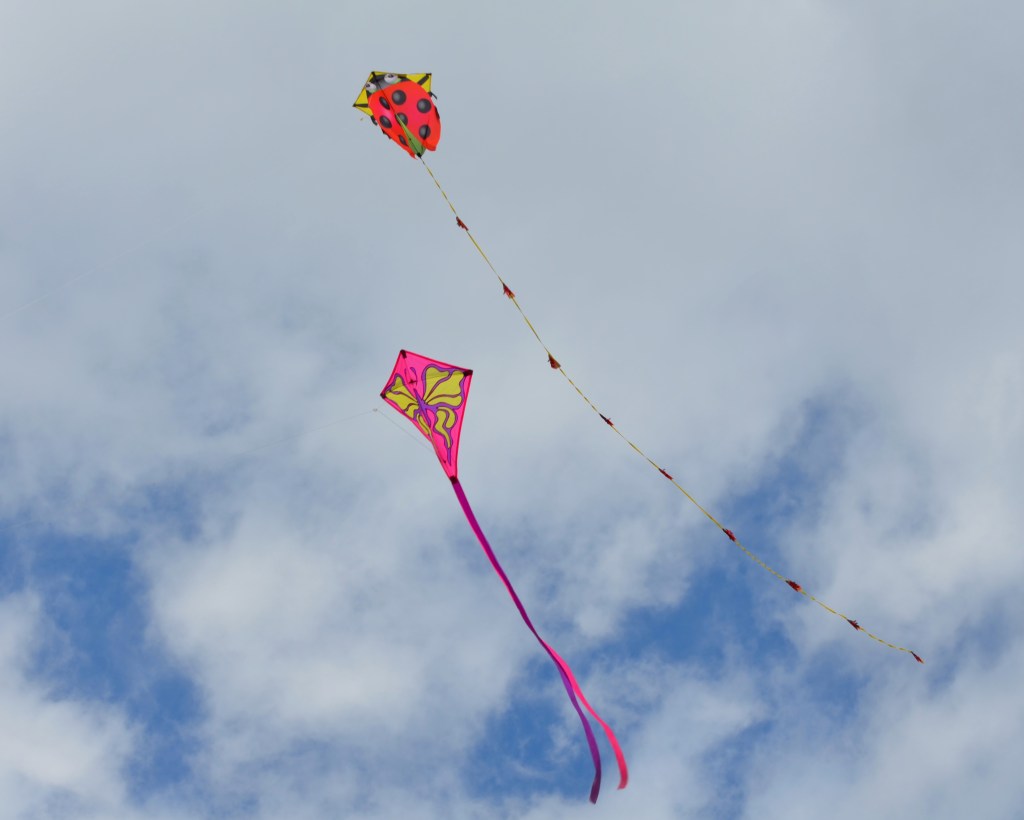
If you are a visual person, phrase collecting evokes many colorful images, and if you allow yourself time to visualize them, there is a chuckle for many are outrageous metaphors: sick as a dog, down in the dumps, high as a kite. Is an ill dog any more under the weather than your choking cat? Who first imagined an intoxicated person as being high, and then up in the sky, making loops in the wind? Down in the dumps makes perfect sense if you have ever held your nose while driving by a city landfill.
I look forward to the day when an imaginative linguist can find substitutes for empty phrases, especially phrases used when we really want to communicate feeling. Our thoughts and prayers go with you is one of the most vacuous. There is another school shooting, and the politicians bring out that phrase when grieving families want their children back. I try to imagine those politicians on their knees that night saying their prayers and speaking the names of those lost. Yet, I also have sat with pen in hand, an open card before me, truly hoping to offer comfort when there has been a loss. What comes to mind? That same phrase, when I long for fresh phrases.
_______________________________________________




 Mary's Room With a View