
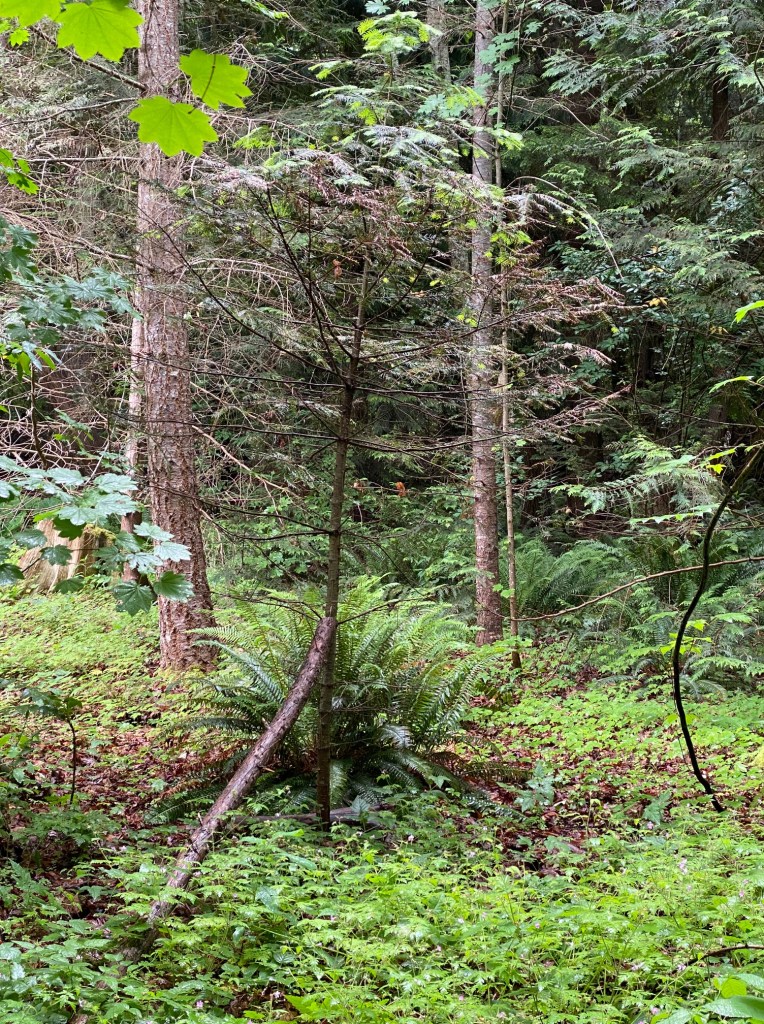
See the skinny fir tree. See the board propped up against its trunk? It has been a year and a half since we pulled up the adolescent fir from where it had grown and moved it to the present spot, a place much in need of a native fir after we removed four large Leyland cypresses. We held hopes for our new open space, hopes to reforest with native trees, primarily firs, and we planted at judicious spacing some small ones before pulling up this teenager and plopping it in place where it soon leaned over as if mourning the move. Thus, we propped a board against the trunk to help it continue reaching for the sun, then packed compost around the roots, and waited over an unusually cold winter, while the branches shed their needles, leaving us to ask in February whether the tree survived. Now rainy April and sunny May have arrived. At the tree’s crown, a fan of fresh green needles waves brightly. The tree is alive! We can already imagine its prominence among the other native vegetation on the hill. How satisfied we feel in helping the tree survive.
Ten years ago, when I began writing this blog about Thoughts After Seventy, I had thoughts to examine about what it means to be elderly. What are my needs? Almost immediately the answer came to me, “I need to be needed,” and so I wrote about a septuagenarian’s wish to be relevant, to be helpful. That remains true after turning eighty, but today I find myself struggling with HELP. Human interaction is not the same as propping up an adolescent tree, as metaphorically pleasing as that sounds.
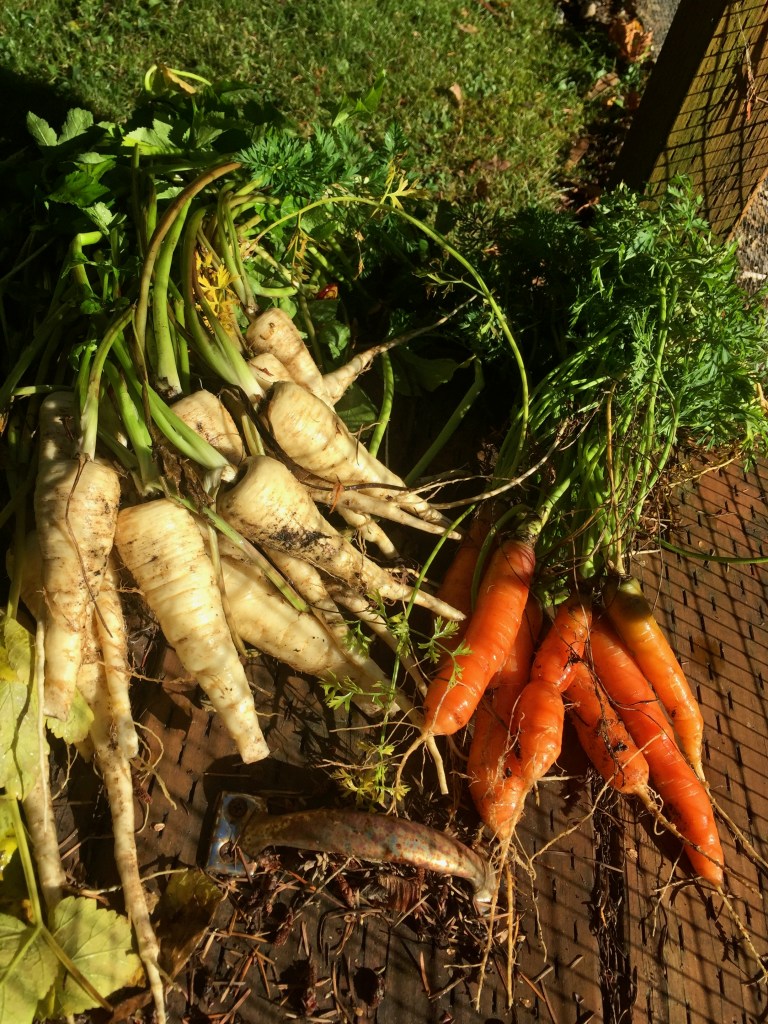
Whom might I help? Who wants my help? Who would eschew my help regardless of my good yearning-to-support-you intentions? In the grocery store a child wedges the shopping cart between a display of paper towels and laundry detergent. His mother tugs at the cart to avoid tumbling paper towels in the aisle. Her child squeals, “No, mine! I can do it.” I hand a packet of carrot seeds to my grandson for spacing in a hoed furrow. Weeks later, carrots emerge in a tight fist of orange spikes from spilled seeds. He planted them “his way.”
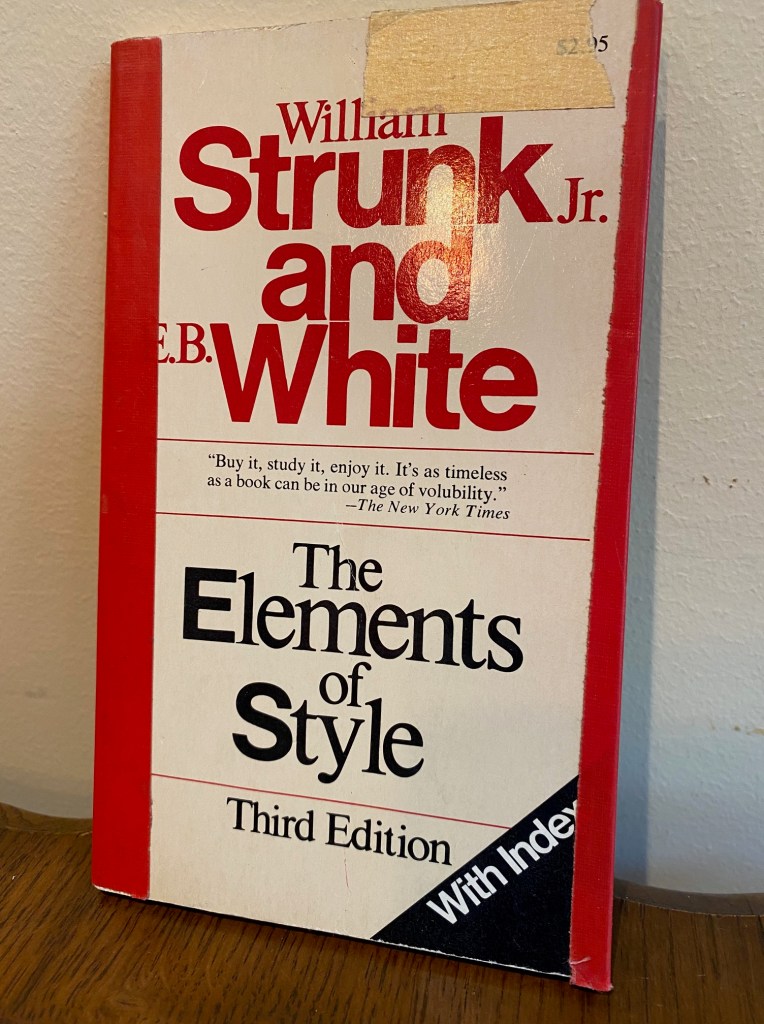
How can I be helpful if my help is not requested? What skills or knowledge do I have at this point in my life that would be helpful to share with others? Well, there are all those years teaching high school English. I know the difference between subjective and objective pronouns, not to mention usage distinctions between lie and lay or less and fewer. On occasion, friends and family ask for my help in editing their writing to check for standard usage. I feel fulfilled by helping out. On other occasions, I see writing from friends and family that could use pronoun clarification or a punctuation tweak. Their writing may come my way by a shared email, a letter, or even their own blog posts. I commonly note in their writing when a verb is separated from its object by intervening words, a writer will use a subjective rather than an objective pronoun; for example, “The coach chose my brothers and I,” for the team. The writer would never write “The coach chose I,” but since brothers comes between verb and object, the writer doesn’t hear the verb crying out for an objective pronoun, and the writer uses I instead of “The coach chose my brothers and me.” I confess here, that “errors” in English usage are like little missiles exploding in my English-teacher brain. I have yet to faint from a cerebral bleed. Would I be helping others with a little pronoun lesson?
In search of an answer, I asked my husband and three friends what I should do. They were unanimous is saying, “Do nothing.” You don’t “correct,” “teach” (whatever euphemism you choose ) someone’s grammar/usage without being invited to do so. It will be felt as judgmental. Even if I don’t feel as if I am judging? Makes no difference – it will be felt as judgmental. Should I ask friends, “Would you like my help with your English usage?” Nope. That sounds patronizing. With a granddaughter I might get away with it. I read my granddaughter’s exquisitely written introduction to a book she is writing. Noting some uses of semi-colons and colons, I asked if she would like my help. “Thanks, Nana, but I am not ready for line edits yet.” Perfect. Both of us felt good.
“Help” is circumstantial. Having confessed that at my age I want to be needed, perhaps I am offering help where it is not desired because of my own wish to feel relevant and useful, long after I have left a classroom where I was employed to promote pronouns. I am at an age where I will be asking for help more than providing it. A call to my daughter or grandchildren for computer/ internet assistance is a diurnal request.
It’s all in the Beatles, Help. In the first few lines, help and need are paired. A few lines later age comes in:
When I was younger, so much younger than today
I never needed anybody’s help in any way
(Now) but now these days are gone (these days are gone)
I’m not so self assured .
To be able to help someone adds to our self-assurance, a kind of “I can do it” feeling when there are so many things I cannot do – such as open a jar of pickles or even the tops of pill bottles.
Recently, I checked in with a friend back East whose husband is coping with age-related health issues. She assured me that over-all he is doing fine, but last week he stumbled over a curb in the grocery parking lot and fell. “I didn’t even have time to call for help,” she said. “Within seconds there were four men by his side, helping him to his feet.” We agreed, people can be instinctively helpful.
Is anyone out there stumbling over their pronouns or prepositions? Would you want my help?


 Mary's Room With a View