Who’s Calling?

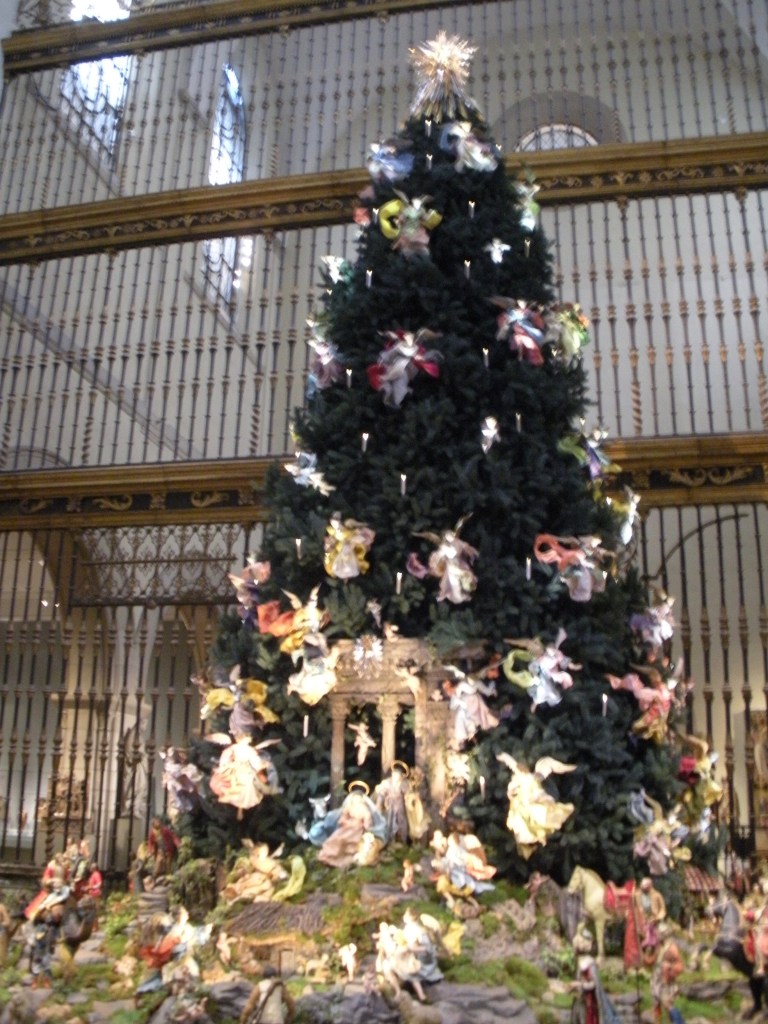
Metropolitan Museum of Fine Art, NYC

        Wednesday I was in full assembly-line gear.  My Christmas shopping list tacked to my brain, I set out first to buy a wreath for us and for our daughter at City People’s Garden Store.  It would be a short drive from there through the Arboretum to the University District and the bookstore where I would find gifts for our great niece and my nephew, then order the gifts wrapped and shipped.  Viola! I would have completed gift shopping two weeks before the 25th.  Leisure would follow to bake Christmas cookies and bread, to bathe in the nostalgic warmth of a season I love in ever-darkening days.

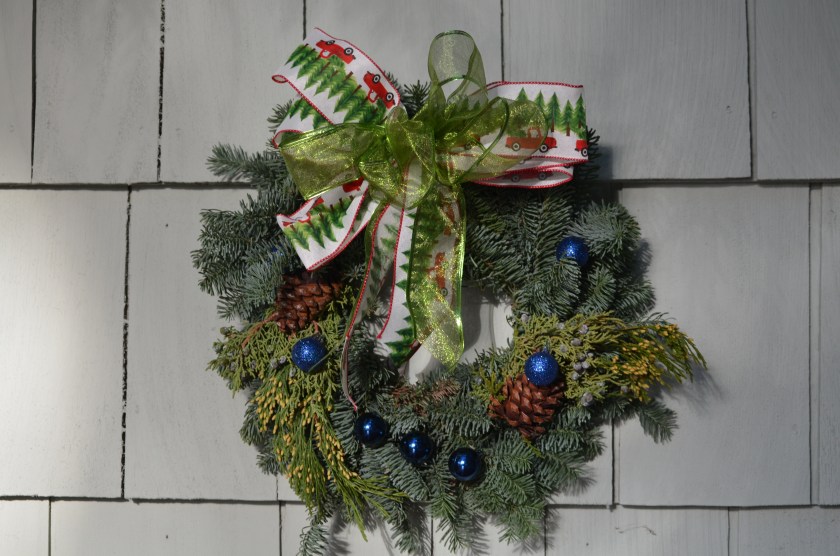
            There I stood surrounded by sparsely decorated wreathes ranging from eight to sixteen inches.  Settling on two, I moved on to select premade bows or choose among a colorful assortment of red and gold ribbons for a customized job.  My cell phone rang.

            “Hi Mary.  This is Vicki from church.”  Her voice tingled with apologetic enthusiasm that presages an Ask.
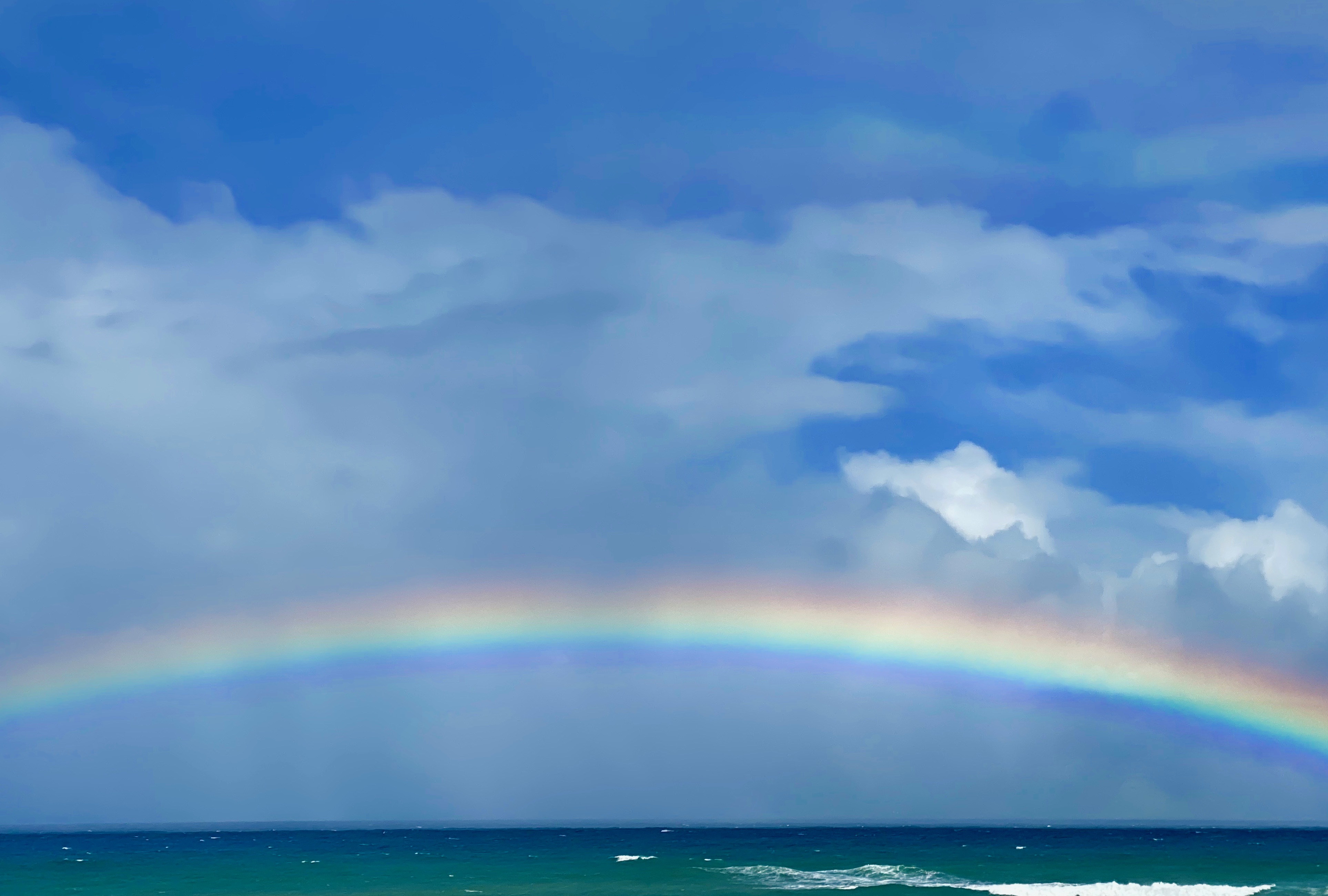
            “ I know this is short notice, but would you write a poem for the church Christmas card and email it to us by Friday?  And, if possible, link it to the upcoming sermon series on Light.”
Copyrighted Rebecca Rickabaugh

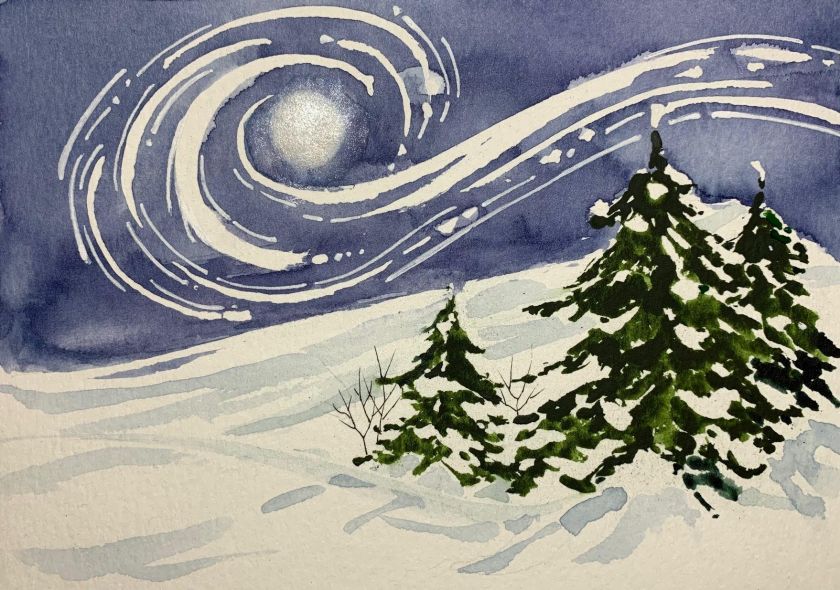
            “Oh Vicki,” I laughed into my phone.  “I love you!”  (Translated: OMG, one more thing to do under pressure. )  Last month the request was for a poem to read at our pastor’s retirement celebration.  I truly am honored to be sought out.  I can’t recall when I first heard myself dubbed the church’s “Poet Laureate.”  Nonetheless, any artist knows that art-on-demand is tough.  Vicki, a soloist, commiserated, sharing her anxiety when asked with short notice to sing a solo at a memorial service. With the same close deadline, Rebecca Rickabaugh agreed to paint a picture for the cover of the card.  All of which got me to thinking of how Vicki’s call disrupted my efficient plans for my day.

            The poet in me tosses around literal and figurative speech.  I had literally responded to a call. As for churches, we often hear pastors explaining their job as a response to a call.  Even as a child, I wondered if one day that pastor, as a young adult, headed off to be a firefighter or college professor but heard an imaginary phone ring.  My young imagination heard a deep voice:

            “Hello.  God here…”.

            I understand that the call, is more a felt mission, rather like Jesus summoning the fishermen, who were immersed in gathering food for their families, to drop their nets and follow Him.

            Here we are in Advent.  The Annunciation has occurred when Mary, probably immersed in preparations for her upcoming wedding to Joseph was sidelined by an angel telling her she was pregnant with the son of God.  Not the call she expected.  But she answered.

            Seems reasonable in the Biblical context, yet these interruptions to change direction in our everyday lives don’t always feel inspired.  We are nabbed when busiest doing something else. Then if we submit to the distraction, we scold ourselves at bedtime for not accomplishing the things we penciled on the “to do” list earlier in our day. 

            Back to the Bible.  How often do the prophets advise being still so as to hear the word of God?  Modern day gurus advocate for meditation so we can open to the Word.  I failed at meditation, never getting to the state of nothingness that would erase trying to remember what I needed at the grocery store after the meditation sessions.

            Let’s hope interrupting calls come from a place of goodness.  We have seen enough violence in our country from folks who think they were called to perform acts of destruction.  I prefer to keep the call connotion as a beckoning to something good, something creative, something to build community.

            As for the church’s call to write a Christmas card poem, I agreed, hoping short and meaningful lines would drop into mind.  By the end of Wednesday, I had scribbled a few images of candles and flames and holes in the darkness.  Rebecca sent her completed image. Wow!  it was beautiful and fit well with what I hoped to say poetically.  One of the rules I am breaking again is to send out a poem that has not rested in a drawer for at least six weeks.  But here I am Friday afternoon pushing send on my computer, the poem skimming through cyberspace to the church office.  No time to revise it.  My husband is calling: “When’s dinner ready?”

Fiat Lux

On the day of Christ’s birth,

light a candle.

Let it burn a hole in the darkest night.

His birth warms us through winter.

His birth is our Vision and Light.

Feel the flame in His name.

Through the Woods

=

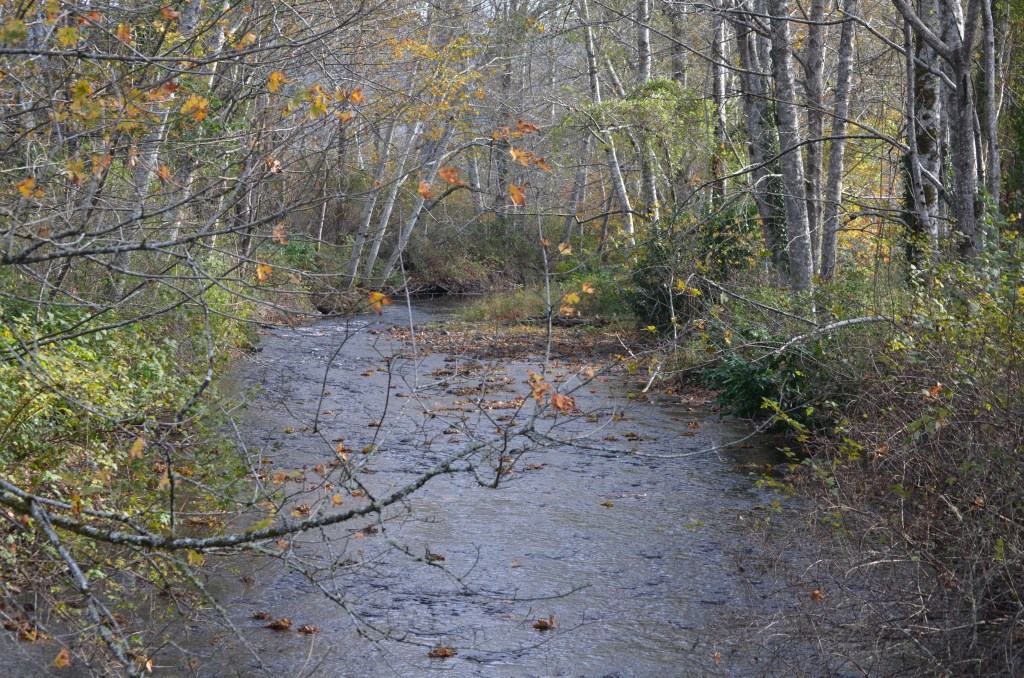
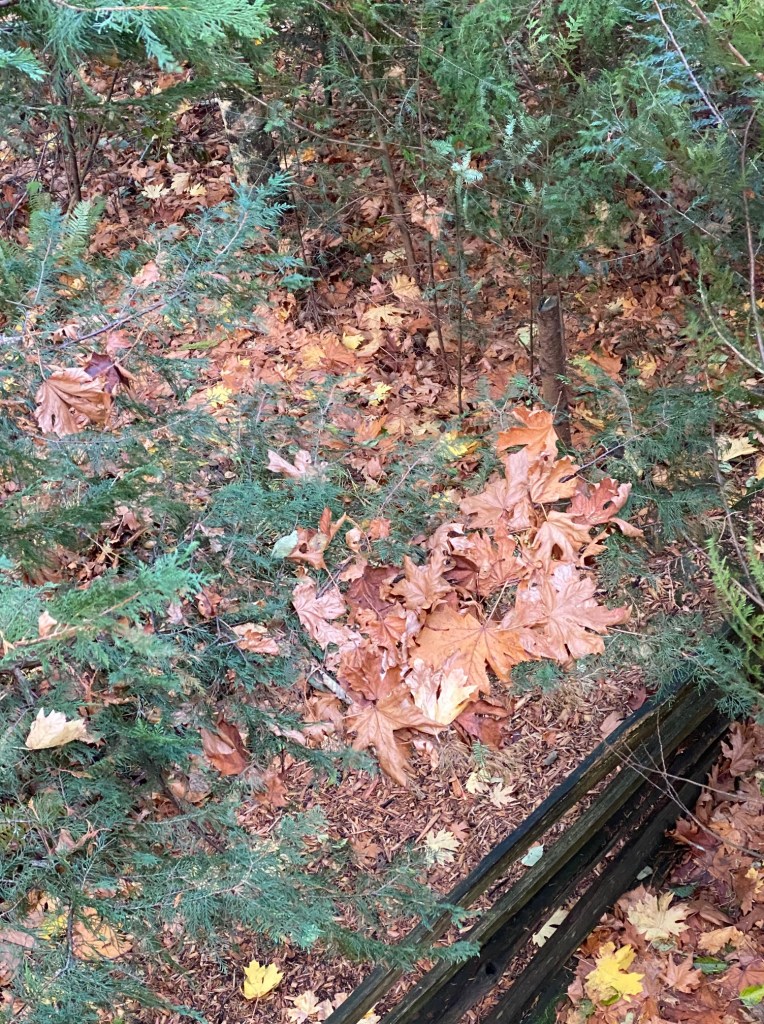
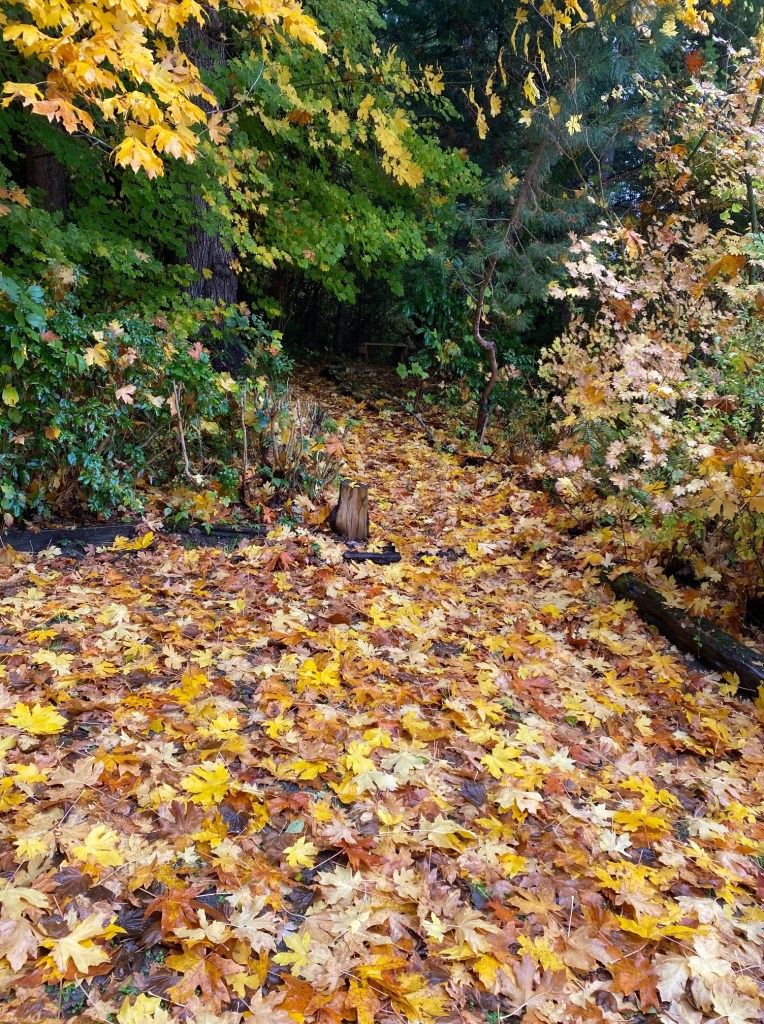
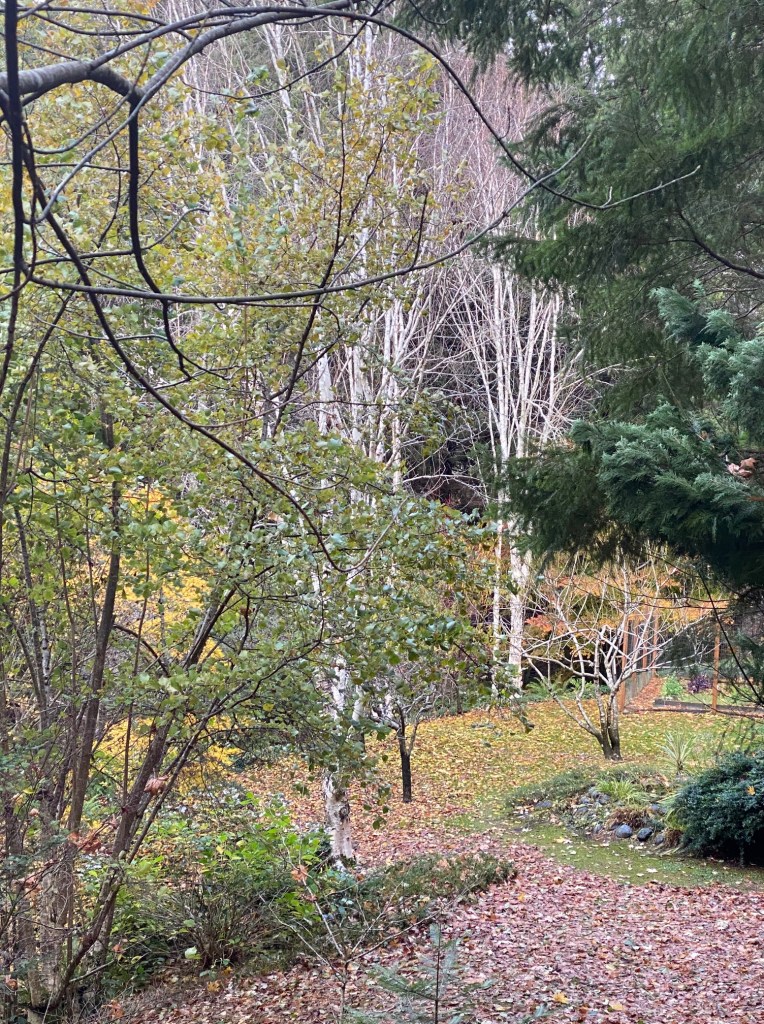
This mid-November day, the leaves have blown from most of the deciduous trees. The wind surges as if it needs no time to inhale before blowing again.  A young cedar flips its boughs northward, showing off the lighter green undersides.  Stepping carefully down the trail to the treehouse, I look back from where I came, through the woods.  Now with so many bare trees I can see through the woods, can admire the ferns surrounded by a thick layer of maple leaves.  There is the split rail fence on the other side of the trail, and white birches, like candles thrust into the hill frosted with a mosaic of leaves. A panorama opens because the leaves have left, and I ponder the coincidence that the plural of leaf is leaves, and that is exactly what has happened.  Things are leaving: leaves, songbirds, the very year itself.  One month left of 2021.

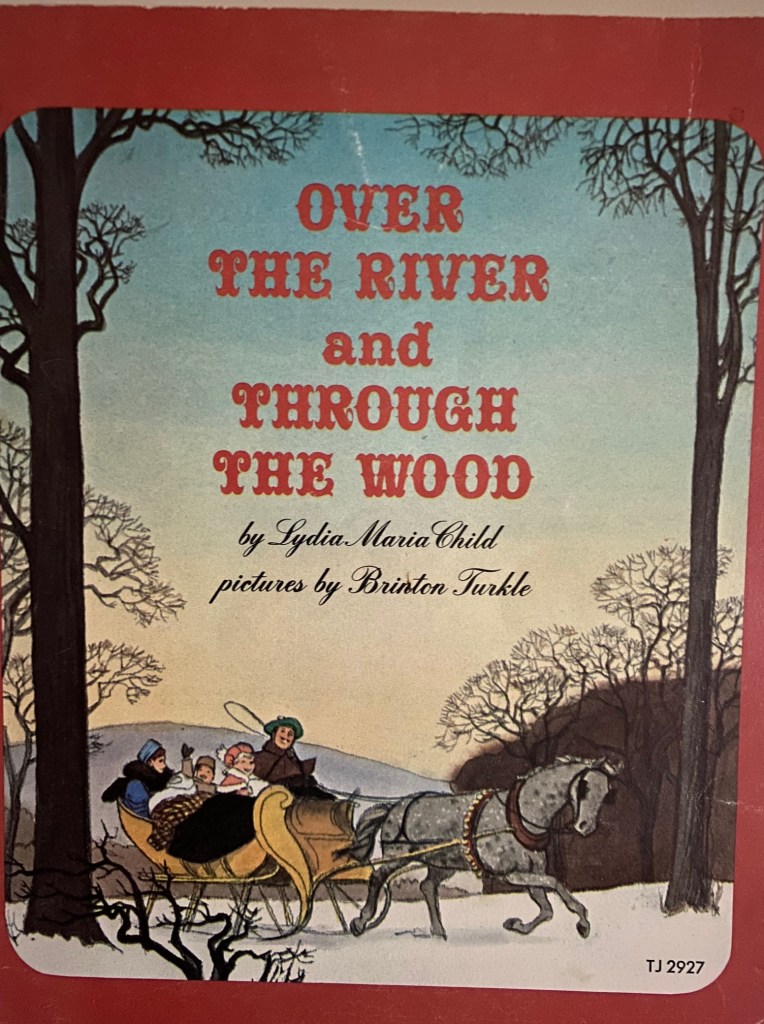
Through the Woods.  I begin to sing with the wind: Over the meadow and through the wood, to Grandmother’s house we go.  The horse knows the way to carry the sleigh…” As a child, I had a picture book that accompanied the lyrics.  It opened with colorful illustrations of a bountiful sleigh piled high with laughing children snuggled under blankets.  Turning the page, I found Grandmother in her apron fronting a bountiful table laden with roast turkey and pies.  Clearly it was worth going through the woods to get there.  And how fortunate the horse knew the way to carry the sleigh.  My wandering mind sets on Robert Frost’s Stopping by Woods on a Snowy Evening.  Frost pauses before progressing through the woods, his horse giving “his harness bells a shake to ask if there is some mistake.”  Once more, humans are leaving to a horse the directions for going through the woods. 

Childhood tales prepare us for crossings through woods,  cautionary tales for the remainder of our lives.  Little Red Riding Hood, confident as she is, must walk through a wolf-inhabited wood to reach her grandmother.  She enters fearlessly, even joyfully, stopping on her way to stoop for a patch of wildflowers that might delight her aging grandmother.  We fear for her more than she fears for herself, because we are more experienced.  We have traversed the wooded way frequently enough to suspect what lurks there.  Then there are Hansel and Gretel, also innocently confident enough to escape through a wood.  A little more experience here with caution, they drop bread crumbs to follow on their way back.  We all know this isn’t the best REI advice for hiking, and surely Hansel and Gretel were lost, the birds having eaten the breaded trail with which they hoped to retrace their journey.  Woods equal lost, equal witch and possible death.

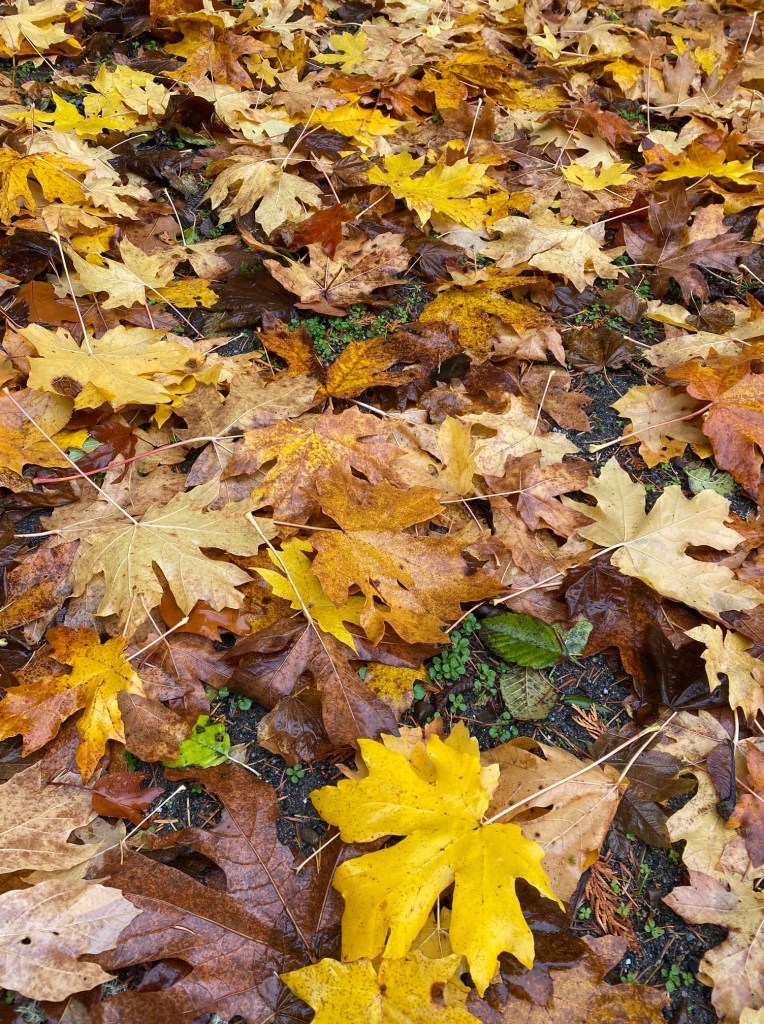
When you decide to write a blog about thoughts after seventy, it is inevitably going to include reminders of mortality.  As seasons turn, one after the other, you begin to figure on the remaining seasons left to enjoy.  Friends whose spouses died talk about the “last Christmas, or the last birthday.” Their calendar is marked with anniversaries of loss.   Kicking through big-leaf maple leaves, I smell the smoky aroma of leafy decay.  Curiously, it is a sweet aroma, somewhat like cotton candy.  It is not an aroma or a season to take for granted. Will it be the last autumn I pause to look back on the trail and comment on how easily I can see through the woods?  It is not the finality of a lost season, but the presence within it that rewards.  In my over-seventy years, I have travelled through many woods, some tangled with downed branches and dense salal.  I kept going because there was always something ahead worth reaching.  There are still destinations beckoning around the bend, but more often than not, I am pausing along the trail to look back from where I came.

Only six months ago, I applauded the buds on the maples. I could hardly wait until they widened into those foot-wide leaves of summer. But today, the view I admire is the one where I am looking back. Trees we had planted are masters of the woods. They stand naked against green cedar and fir. If they were human, their branches would be ribs. I needed that loss of foliage, that almost bare landscape through which I can travel. Like cleaning house, the forest is down to the essentials. In the present moment, I can see clearly now . . .


Shared Spaces

“There is no delight in owning anything unshared.”
            — Seneca

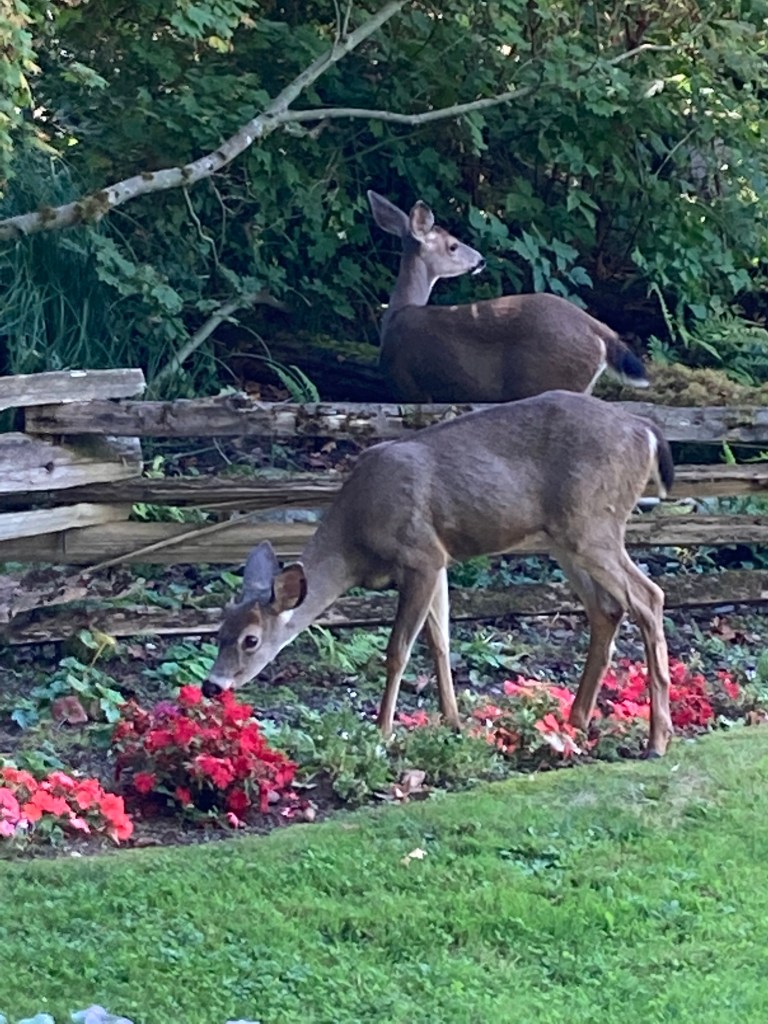
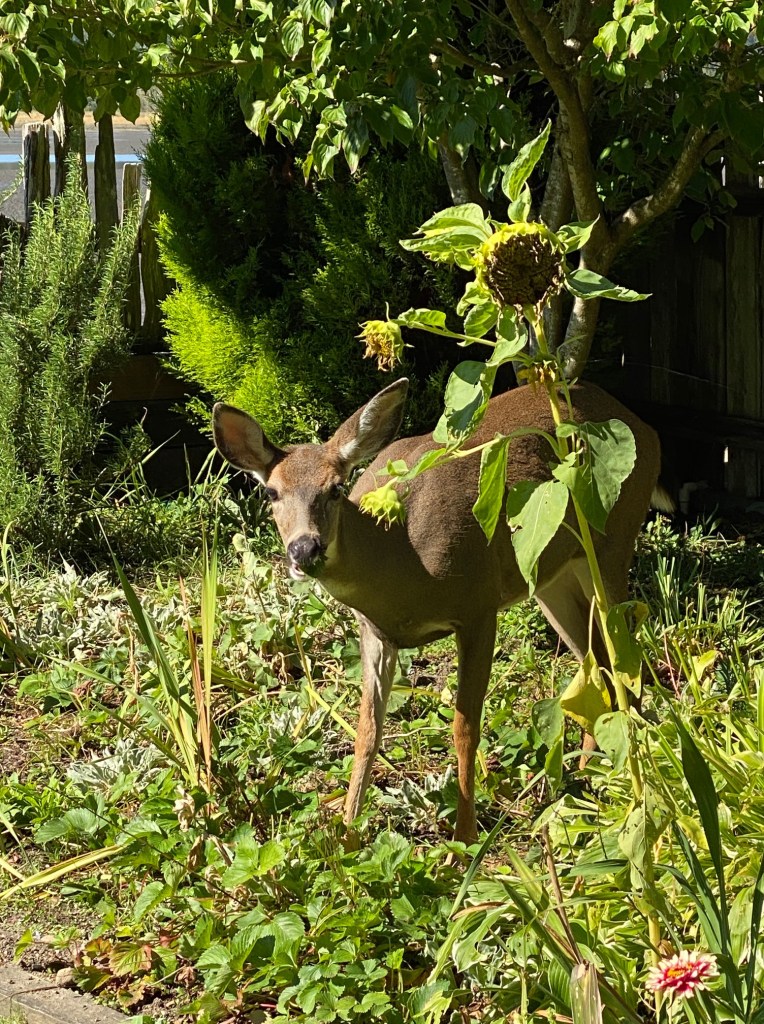
The afternoon opened with two visitors to the front yard.  Allan alerted me: “There are a couple of ladies here to see you.”  I ran from the back yard to greet who I thought would be  neighbors stopping by for a visit.  Instead, I spotted two does helping themselves to the impatiens on one side of the front lawn before ambling across the grass to a square of wildflowers adjacent to the crab shack.  There they munched through random strawberry plants while I held my I-phone camera close . . . closer . . .  Did they not worry the least bit at my presence?  Our space had become their space.   Who was intruding on whom?

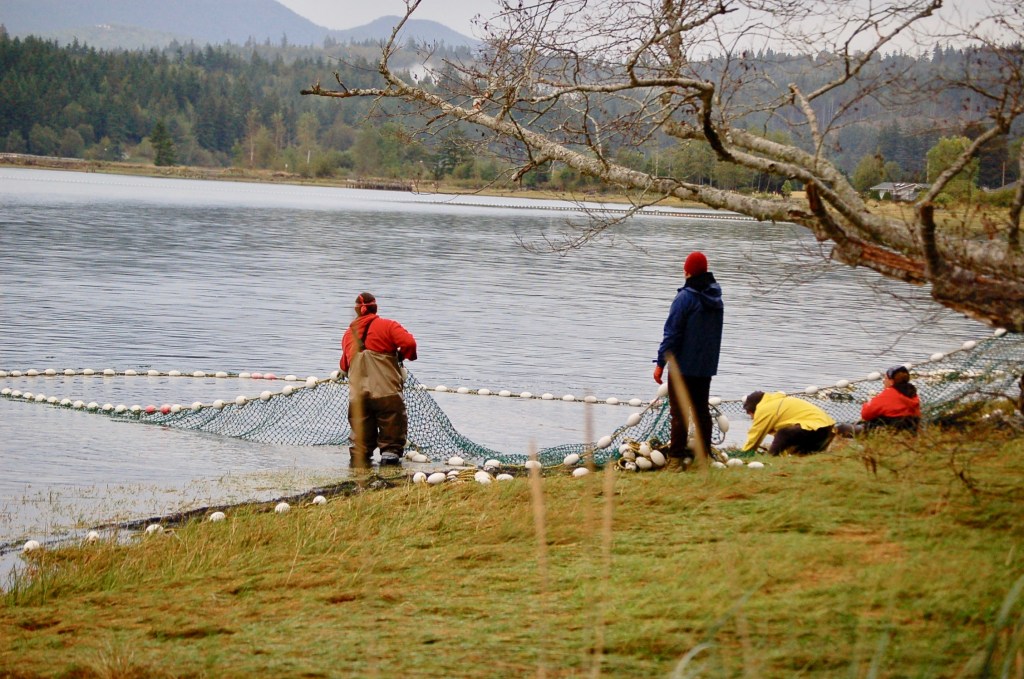
I have been thinking about the notion of shared spaces.  Quilcene Bay, for example, I call “my bay” or “our beach” along the bay.  My husband, editing my poems, has called attention to possessive pronouns and the superiority they suggest: “our cottage” or “our beach.”  Once alerted, I realize the beach is not ours.  Early September, when the tribal boats enter the bay to harvest migrating salmon, the native families extend nets and pull the heavy fish-filled harvest to shore as their ancestors did before any colonization by Europeans. Is the beach theirs?

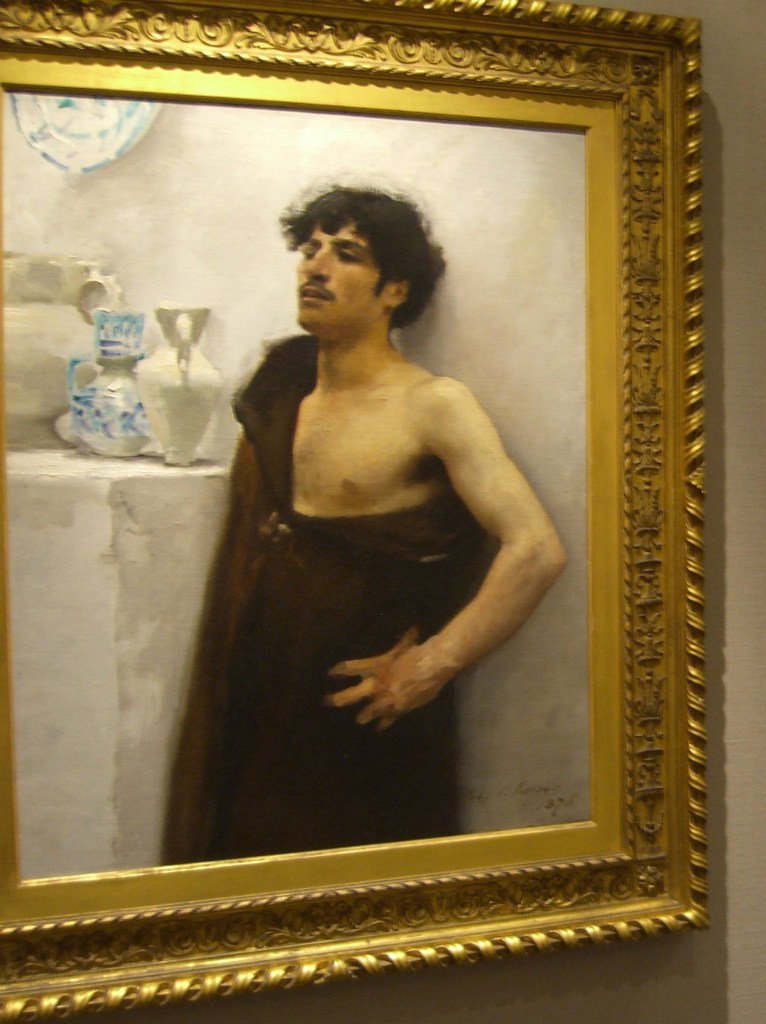
There is so much power in pronouns.  Sometimes those possessive pronouns are expressions of identification rather than possession, such as when I introduce a friend as one “who graduated from my high school.”  No one assumes that “my” suggests I own the school, but rather I was affiliated with it, much as when I refer to my beach.   Yet, possessive pronouns can also be  capitalistic little things that suggest ownership and division, one person from another. Years ago, I was enjoying an exhibition of  American paintings brought to Seattle by Christie’s Auction House.  Standing before a stunning and expensive portrait by John Singer Sargent, I commented to Betty Balcom, who was also admiring the work, “Wouldn’t it be wonderful if that portrait could be ours?” 

Betty replied, “We never own fine art.  We are the  caretakers of the work for a period of time.”

Her words resonate with me when I look at the art temporarily hanging in the house. I think of that art not exclusively as “our” collection.   Sharing, rather than owning, is not only a privilege, it is also a responsibility.  That means keeping those works away from too much heat, moisture or light, conditions that would damage the works.  

Sharing can be a challenge.  Watch any toddler to discover the evolution of ownership.  “Mine” is one of the first words a child uses. 

“You need to share your toys with your brother or sister” are among the first words from the child’s parent.  Sharing may not be an instinctive behavior. It must be taught.

I admit that I struggle with shared space.  Over the past few years, tents filled with homeless people cover our city parks and sidewalks.  Along with this human habitation comes refuse, some of it drug paraphernalia.  The parks and sidewalks are not mine to share, although my taxes contribute to their maintenance.  Yet, when I see encampments spread over the parks, even playgrounds adjacent to local schools, I feel threatened and invaded. The proliferation of these communities is a shared concern of our city, county and nation.

Have you noticed in the past year how many organizations begin gatherings with a land acknowledgement?  Programs at the Seattle Art Museum and services at churches now begin with the featured speaker acknowledging that the audience is gathered on the traditional lands of indigenous people.  Shared Spaces – even when those peoples may not have wished to share their space, have been driven from the space, are, in some places, extinct from the space.

Back to pronouns.  I have written a blog about recent changes in pronoun usage, changes that acknowledge the identities of gender, departures from demanding agreement in number between subject and verb so that a person who doesn’t want a binary pronoun can be included in conversation with a gender-neutral pronoun: they rather than he or she.  Perhaps we should look at those possessive pronouns as well.   The planet is OUR planet, and until we acknowledge the way we share the precious resources of the planet, we are in danger of losing what is mine, what is yours.

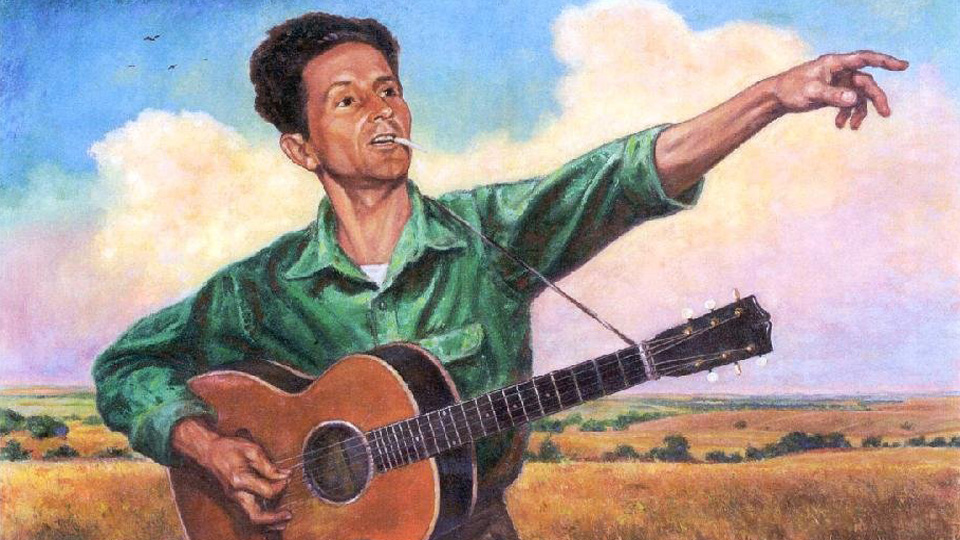
Woody Guthrie sang “This land is your land, and this land is my land.”  We all know the tune and the words.  Our hearts lift to it as we join in on the chorus.  It is a song where “my” and “yours” are synonymous with “ours.”

I didn’t plant those flowers or strawberries for the deer who found them delectable.  Yet, seeing them quietly enjoying my produce makes me smile.  Without them, I have more greenery.  With them feeding there, I have beauty and that peaceful aura of deer, in their graceful meandering.

Heirloom

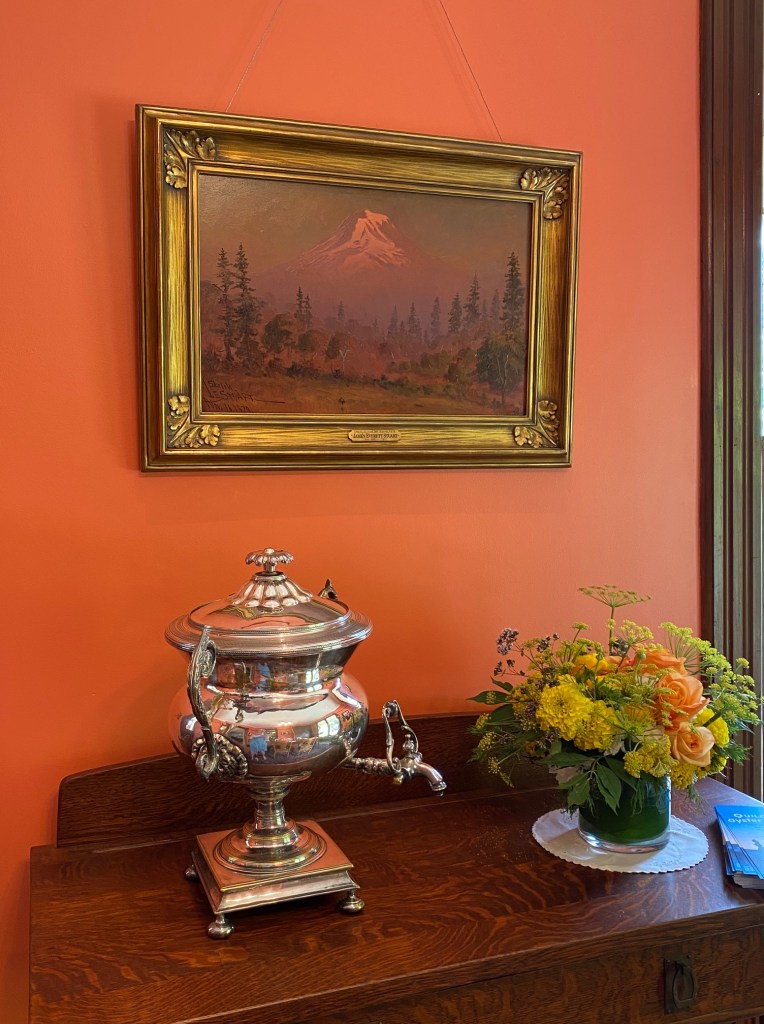
Worthington House, Quilcene, WA. Silver urn, a gift from Tom and Margo Wyckoff

Heirloom: A valuable object that has belonged to a family for several generations

Among common practices of those over seventy is the dispossession of material objects, some decorating our environment for decades, treasures having arrived in our homes from parents and grandparents who also arrived at their “uncluttering” years. I have reached the age my mother was when she began taping names of her heirs to the backs or bottoms of almost every painting or vase in her home.  I am now suffocating under collections of teacups, floral Wedgewood china, figurines –Beatrix Potter bunnies brought out for Easter, snowmen at Christmas.  Seven decades offer ample time to collect and to graciously receive heirlooms passed down in a family for generations. Even the root of Heirloom suggests inheritance, promising spiritual longevity beyond the grave.  What an honor to receive them.  What a duty to preserve them. Merriam Webster suggests the objects are valuable.  But how do we determine value? 

Here is Mother’s blue hen I place on a runner atop the dining table.  As long as I can recall, this hen was an heirloom, never intended for my table. How did I know?  Mother told me so.  The blue hen was bequeathed to her by her cantankerous mother-in-law who gave nothing but criticism to my mother during Grandma Linton’s lifetime.  Then she died.  The cobalt blue hen that sat on her kitchen table had mother’s name taped to the bottom.  Mother told us almost every holiday dinner we ate in her home, that the blue hen would someday be passed on to her first-born son, John.  However,  she also promised it to her second born, Jim (from whose house I borrowed it), 

When my son-in-law spotted the blue hen on my dining table, he said, “I remember that your mom had that on her table.  You know, she told me that when she died, she would like me to have it.”  Oops!  Was Mother deceptive?  Will the real heir of the blue hen please stand up?  I like to think that the hen was less an object of monetary value and more a metaphor for Mom to say, “You are important to me.  Here is my hen.”  As to the value, I Googled antique glass blue hen and found several for sale, prices ranging from $3.85 to $ 250, with most averaging $25.  Valuable?  Not worth taking to Antiques Road Show.  But valuable yes, because I cannot lift the hen from its glass nest without thinking of my mother, without seeing pastel dyed eggs she placed there on Easter.

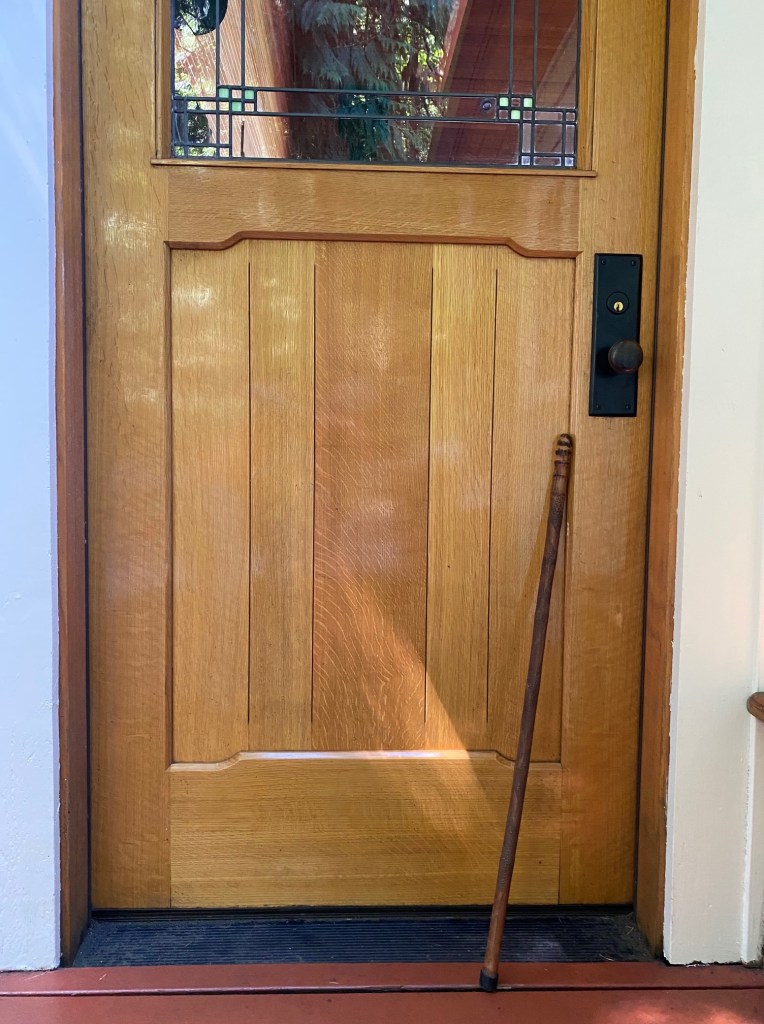
Memory is tangible and mutable.  Perhaps that is why we are so reluctant to take the second set of china to the church superfluity sale, our father’s walking stick to a neighbor who could use one. If I never see that cane again, I will not forget the image of Father rapping it with importance on the top stair as he pushed open the front door on his return from a walk. I could safely let it go, but I don’t.

It is common knowledge and common sense that people are more important than objects.  We embrace maxims such as “You can’t take it with you.”   In one tornado, entire homes are flattened, the surviving families shown on the news rifling through the wreckage, not for a television or a computer but for an heirloom, a wedding ring, a photo album.  “Link me to my former life, now that my present dissolves to dust around me.” 

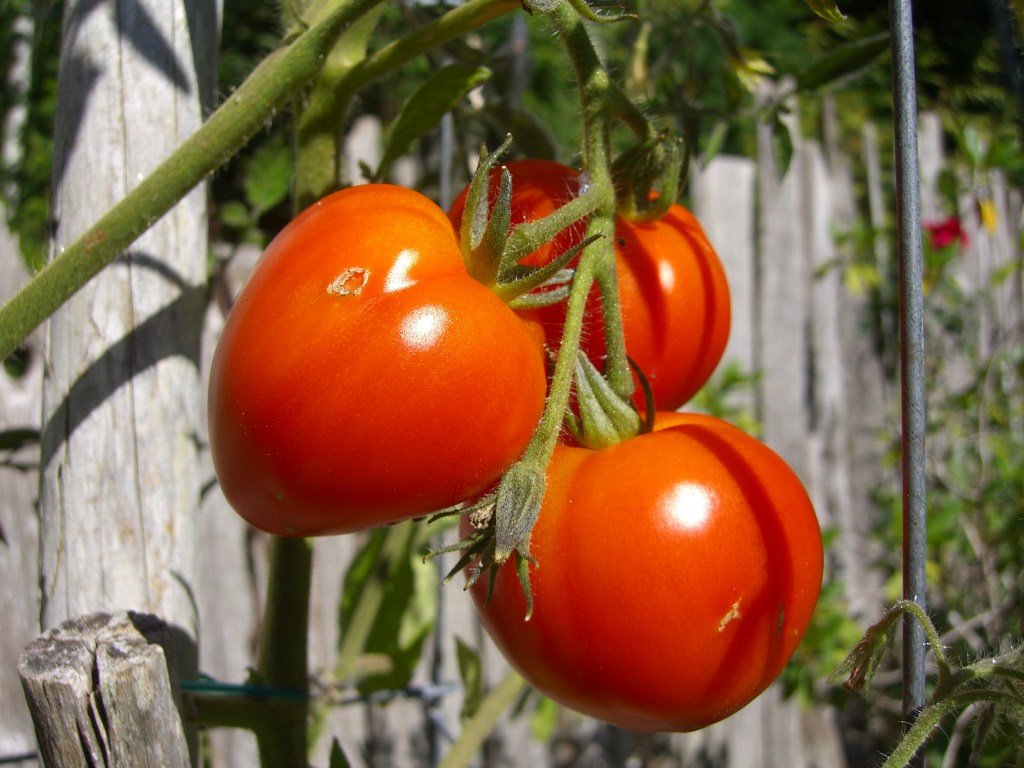
Lasting through time seems important for a thing to be called an heirloom.  Thus, even a plant can be called heirloom, such as tomatoes  carefully cultivated over years and boasting a prized inheritance.  Years before you could buy such a fruit at Whole Foods, our family was vacationing in the tiny village of Issa, Italy.  Our last day, we reluctantly left the villagers who had welcomed us, displaying special affection for our toddler granddaughter.  An aged man in a worn army shirt, a faded ribbon over the pocket, reached out to us a handful of the most gnarly red tomatoes I had ever seen. 

“Oh, Allan,” I said, “He wants to sell us his tomatoes, but we won’t be here until dinner time.  Let’s buy them anyway.”  My husband reached in his pocket and offered what he thought would be a fair price. 

“No, no,” the man insisted, still thrusting his produce toward us.  With his vacant hand, he pointed to that faded ribbon and said “Resistance” his Italian dialect strong on the last syllable.  The tomatoes were a gift honoring American allies remembered from his war years.  We accepted his gift and carried them back to our rented villa,  There, among suitcases packed for leaving, we sliced three large tomatoes and ate.  The juice ran down own chins in streams of gratitude. Our first taste of “heirloom” tomatoes.  Valuable? yes.  Memorable? yes.

Inasmuch as we treasure heirlooms in an effort to preserve memories, heirlooms are the most mutable of things, for the value rests in the tie between the giver and the recipient of the heirloom.  Perhaps when Mom put that blue hen on her table, she thought of her mother-in-law and the struggle to persuade her that my farm-born mom was worthy of her city-bred son. On my table, the crystal blue morning light shines through the hen, lighting my way to a childhood lived in five distant states where the blue hen set a new family table, a symbol of stability in change.

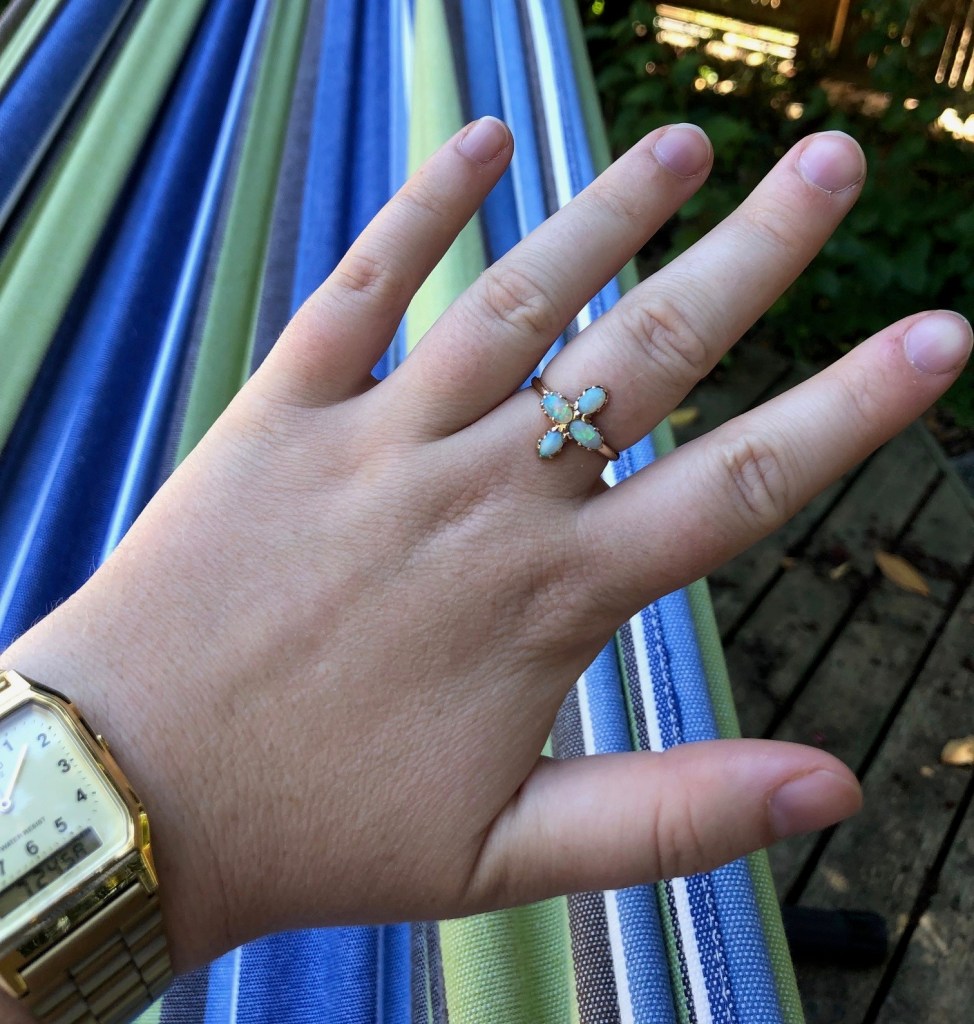
For her graduation, I gave my granddaughter an opal ring, first made as one of a pair of earrings my father brought my mother from India where he served in WW II.  My mother lost one, and, after her death, I found the other in her small jewelry box.  I saw in the soft blue stones exotic India and my absent father. I made a ring of the opals. My granddaughter will not see in the stones New Delhi nor my father.  Now, in a ring on my granddaughter’s hand she will find me.   

Stepping Out

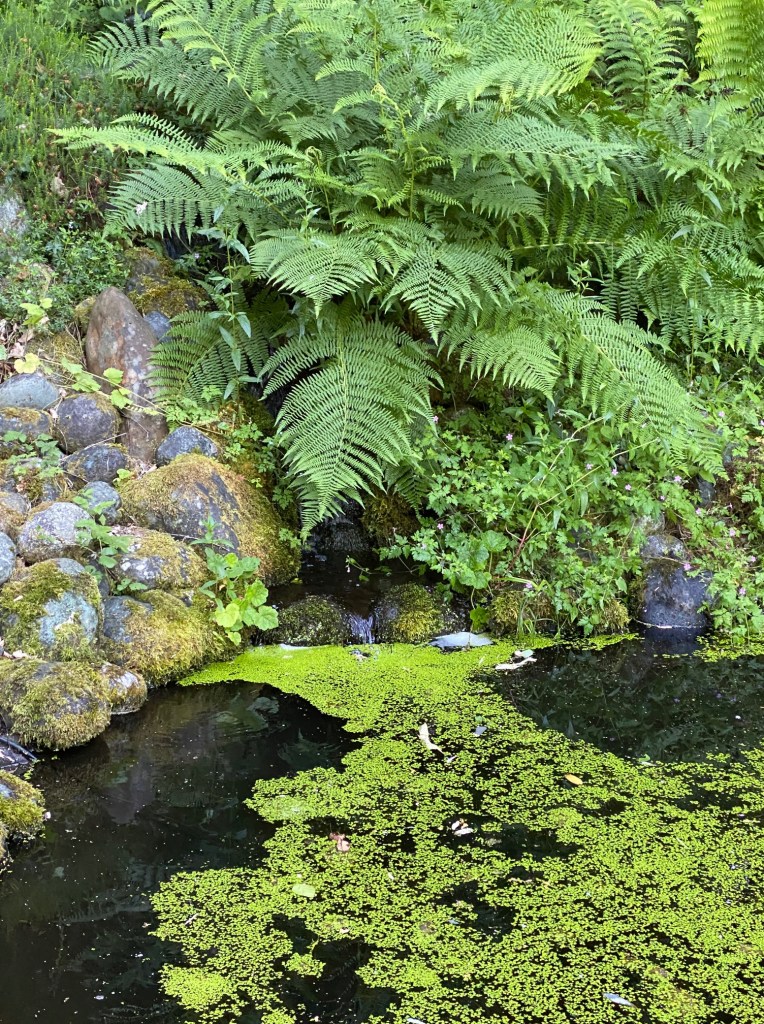
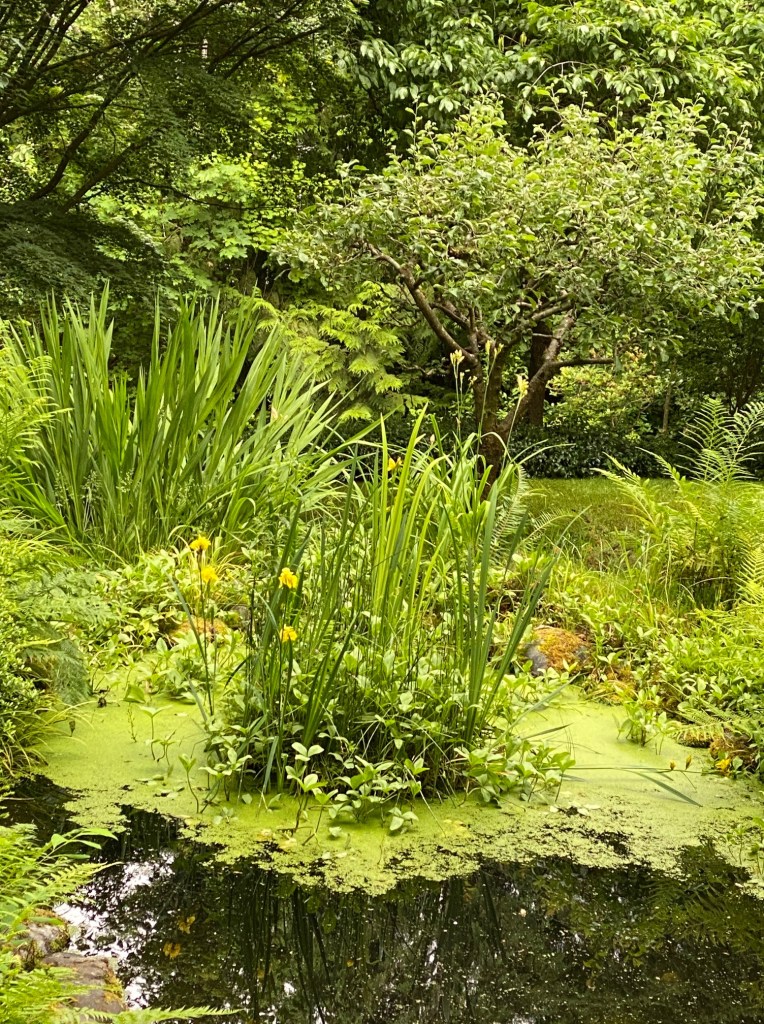
Since March, frogs serenade our woods, their rehearsal room located beneath ferns or under the duckweed that settles on the pond’s surface.  I rarely spot a frog, and when I do, occasionally in a tiddelywink flip it plops in the water.  Safe! Weekly, I skim half of the pond, removing duckweed so we can see our own faces smiling back at us.  Surrounding the little island in the pond, we leave a wide necklace of undisturbed duckweed for frog eggs, then tadpoles to find refuge there.

I cannot think of frogs without reciting Emily Dickinson’s poem:

            I’m Nobody! Who are you?
            Are you – Nobody – too? 
            Then there’s a pair of us! 
            Don’t tell! they’d advertise – you know!

            How dreary – to be – Somebody!
            How public – like a Frog – 
            To tell one’s name – the livelong June – 
            To an admiring Bog!

In retrospect, I hear her lyrical, poetic voice singing out over a century since in self-imposed seclusion, Emily penciled hundreds of poems.  Did seclusion nourish her voice? Did she require a necklace of anonymity from which to sing?

Here we are, “stepping out” of a year of social seclusion. Enamored with quaint phrases, I adore “stepping out,” suggesting caution in hopeful courtship:  Have you heard?  Jane is stepping out with William.  In these post-pandemic weeks, few of us are bursting through our front door, throwing out our arms, and racing down unmasked streets.  This month, Governor Inslee decreed Washingtonians could venture outside in public, mask-free.  Yet on my neighborhood walks, I pass many others, even joggers, still wearing face coverings.  Surely most are fully vaccinated.  An embrace with a vaccinated friend feels as awkward as a first kiss. 

Although Americans have been physically isolated, our year has exploded with social turmoil: a contentious election, marches for social justice, crowds storming the Capitol, folks waiting in long lines to vote.  We were out there – how public like . . . a frog?

Seclusion has afforded me time to write, to consider my song.  Even at my advanced age, I learned this year so many words to speak and not to speak to avoid micro-aggressions against others in our shared society.  I want to add my voice in support of humanity by thinking of a diverse audience, certainly more worthy than “an admiring bog.” However, I fear saying the offensive thing when stepping out to express myself on a public platform.  Almost every week, media headlines call our attention to a person of importance who has said the insensitive thing and, consequently loses prestige, even a job.  Stepping out and/or stepping up is a cautious immersion.  By growing up in America and hearing decades of racist, narrow minded vernacular, to expose my voice on the concert stage has me imagining the risk of dodging rotten tomatoes. Language, like all awareness, evolves. Yesterday’s compliment can become today’s insult. Writers need to step out with secure footing and tuned-in ears for the audience.  Perhaps Emily Dickinson was wise to wait well past her demise for publication that would allow her to step out over the threshold of her 19th century readers.

Mischievous Spring

In Robert Frost’s iconic poem “Mending Wall,” it is spring when he meets a neighbor, each on  his own side of a crumbing stone wall, to put it aright after winter’s ice tumbled the stones.  The neighbor contends, “Good fences make good neighbors.” The wall serves no purpose, so the poet flirts with nudging his neighbor away from maintaining the barrier, acknowledging its uselessness.  “Flirts,” because he doesn’t want to scold his neighbor into adopting his point of view, but rather to plant a seed to grow the man’s questioning of the wall’s value.  Frost writes, “Spring is the mischief in me, and I wonder / if I could put a notion in his head: / ‘Why do they make good neighbors?’” 

“Spring is the mischief” slipped into my thoughts this morning  where I sat with my steaming coffee mug on a bench above the pond, and overlooked my ploughed vegetable garden, last week’s seeded rows lined beneath floating row covers, as if soft clouds were down comforters over vegetables planted in a one-day gift of March sunshine.  Yesterday, when I peeked underneath the white cloth, spring pleased me with tiny green shoots of arugula and radish.  Tomorrow a heavy frost is forecast before April opens up a week of sun and warmth. Will I lose my early green vegetables? If it is not mischievous, spring is certainly fickle.

All nature is human nature.  Frost’s poem remains iconic, season upon season, because among images of walls, cows and apple trees, the poet places a conversation about persuasion.  How do we coach another person to rethink a firmly held position?  Such positions often have the easily quotable “evidence” of bumper stickers or scripture.  What a memorable adage: “Good Fences Make Good Neighbors.”  it is hard to dispute it.  At best we “try to put a notion in his head,/ Why do they make good neighbors?  Isn’t it / Where there are cows?  But here there are no cows.”  In the long run, Frost concludes what he could  say, but would “rather have [his neighbor]say it for himself.”

In the last polarizing year, I have struggled to understand people who think differently than I do.  My husband once joked to friends, “I married Mary for her opinions.”  As a career teacher, I had thirty years standing in front of twenty to thirty young people, hoping to convince them to embrace Shakespeare, parallel sentence structure, and poetry.  Having so many years of “telling,” now outside of the classroom, I am learning better how to listen, and, with luck, to nudge a person’s attitudes, rather than dictate and follow up with a final exam.  

For example, should I care that approximately 40% of certain populations refuse to get Covid vaccines?  Is it my job to meet my neighbor at the wall of their refusal and try to nudge them into understanding that getting vaccinated may be a gift to our community?  My neighbor is, in many ways, a community supporter, the first to arrange a fundraising Christmas auction to pay for gifts for underserved families.  He greets me on the road along the bay where I walk afternoons and where he drives his red pick-up polished to perfection.  

“Miss seeing you guys,” he shouts.  

“ Got your vaccination yet?” I call back. 

 “No,” he replies.  “Sarah (his wife) got hers.”

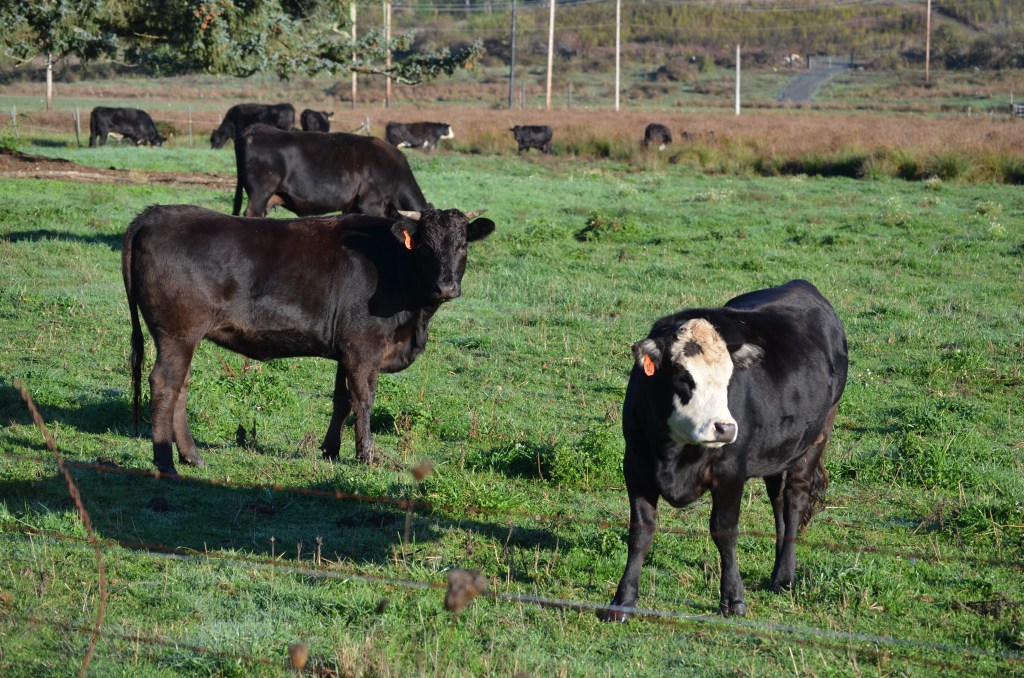
I am familiar with his political persuasions.  I infer that he will not get a vaccination.  Standing by the fence that surrounds Joe Packer’s steers, I say nothing. 

Perhaps spring is the best educator.  Every year it returns with the equinox, drags us out of bed earlier and keeps us outside planting seeds long after the  usual dinner hour.  We unconsciously follow her diurnal temptations, one step forward into cultivation, one step back to replant after cruel frosts. This spring my venturing out to plant seeds of understanding in a sodden soil, I have felt the sting of frost-bitten fingers.  But there are more seeds in the packet, and if next week the temperature really does reach sixty-five degrees,  I will spade a new row in welcoming earth, measure distance between seeds, and pat the earth with my own warm hands.  

I

Clear-Cut


Think of it as a field of corn
seeded in May, spaced equidistant
one kernel three feet from another
then submitted to the summer sun
and rain from spring to fall.
In forty years the harvest comes.
Each tree is of equal height --
nothing random here,
nothing wild with memory of
old growth girth that took a team of men
each one gripping a handle of a crosscut saw,
sweat making their wide suspenders
rub their flesh ripe and raw with wear.
Now, even you could wrap your 20th century arms
around the perimeter of a Douglas Fir.
Don’t bother counting rings of logs
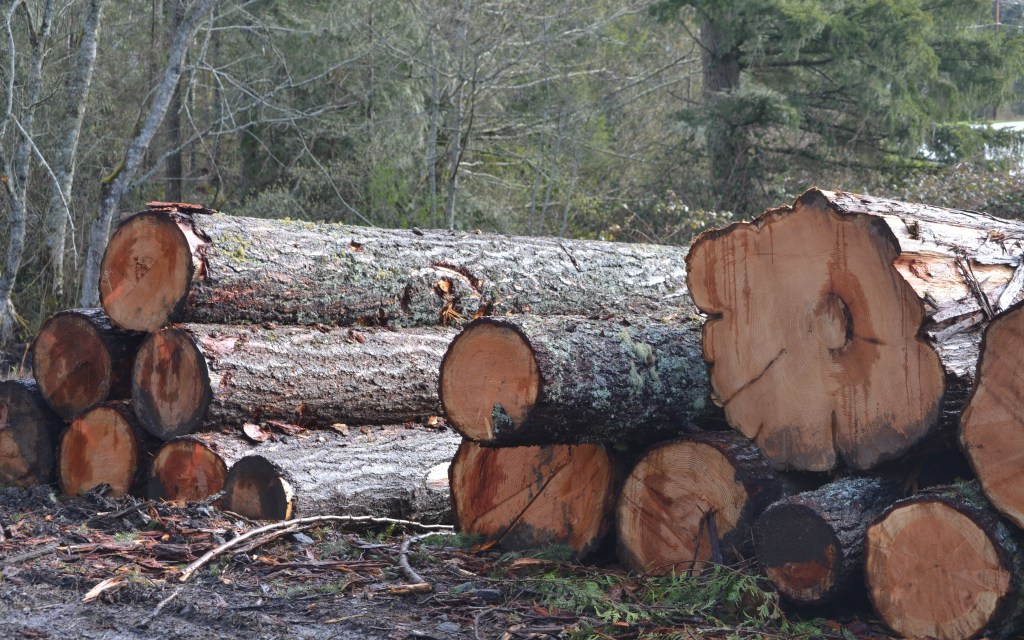
exposed and waiting to be trucked away
to wonder what the tree had seen
decades before you were born.

Don’t listen for what raven calls from
a wind-snapped snag, nor listen for its throaty caw
ricocheting from cedar to alder above  
the density of ferns and salal,
a green grip of undergrowth even bears
lumber to cross toward rivers
shimmering with salmon the raven sampled
on its way, sweeping to the highest limb.
Don’t wonder about deer, fox or ermine
no longer there, but where they might have gone.

It’s not the forest that once was there before your birth
before the earth was just another garden 
for acres of trees the same year sown.
Did you miss something?  Why mourn 
like Miniver Cheevy child of scorn
born too late, knowing the party ended
before his time, before an invitation to a wilder world.
Find comfort in your poetic wandering
with the Hollow Men lamenting
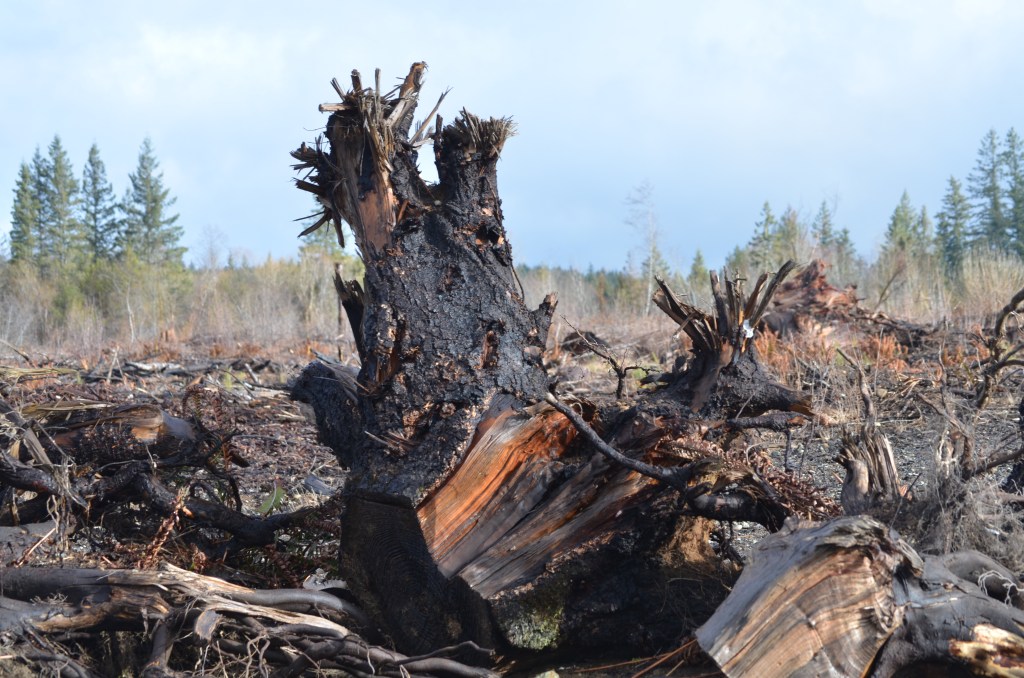
as they stumble through jagged stumps 
encircling heaps of slash smoldering
burning for days or weeks 
like sacrificial offerings to spring,
to this April, when the thrush and jays would,
in another year, return to nest, and yet
what makes its home within a field of corn?


     Mary Kollar
	Copyrighted, March 2021


Knowing When to Plunge In

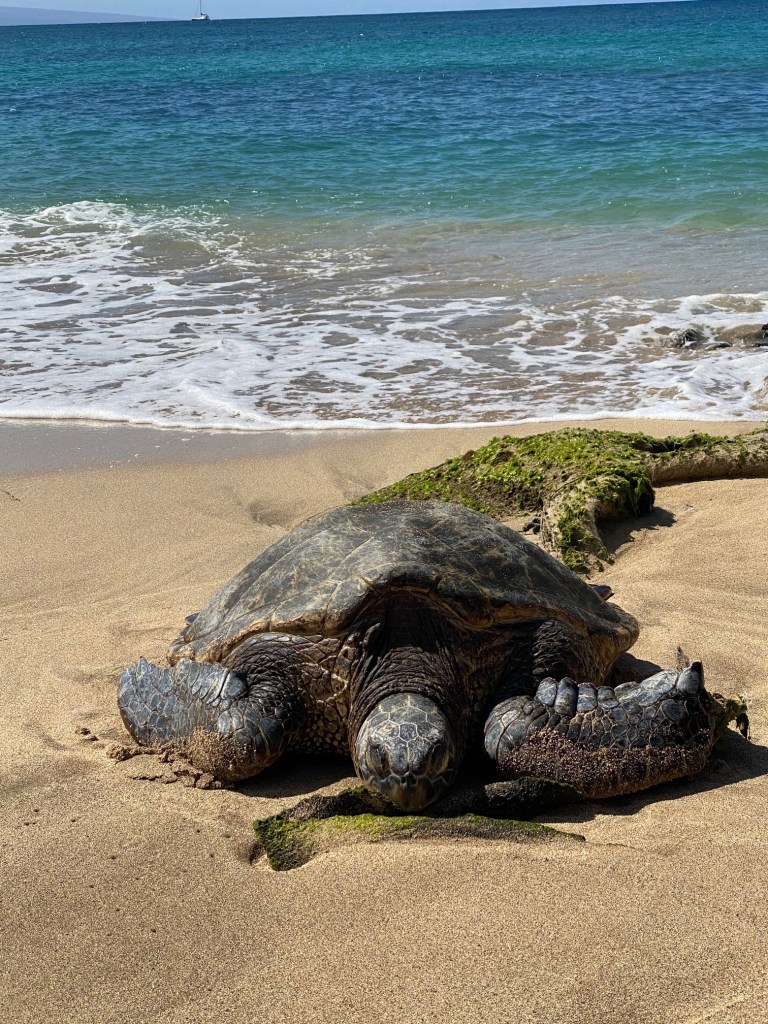
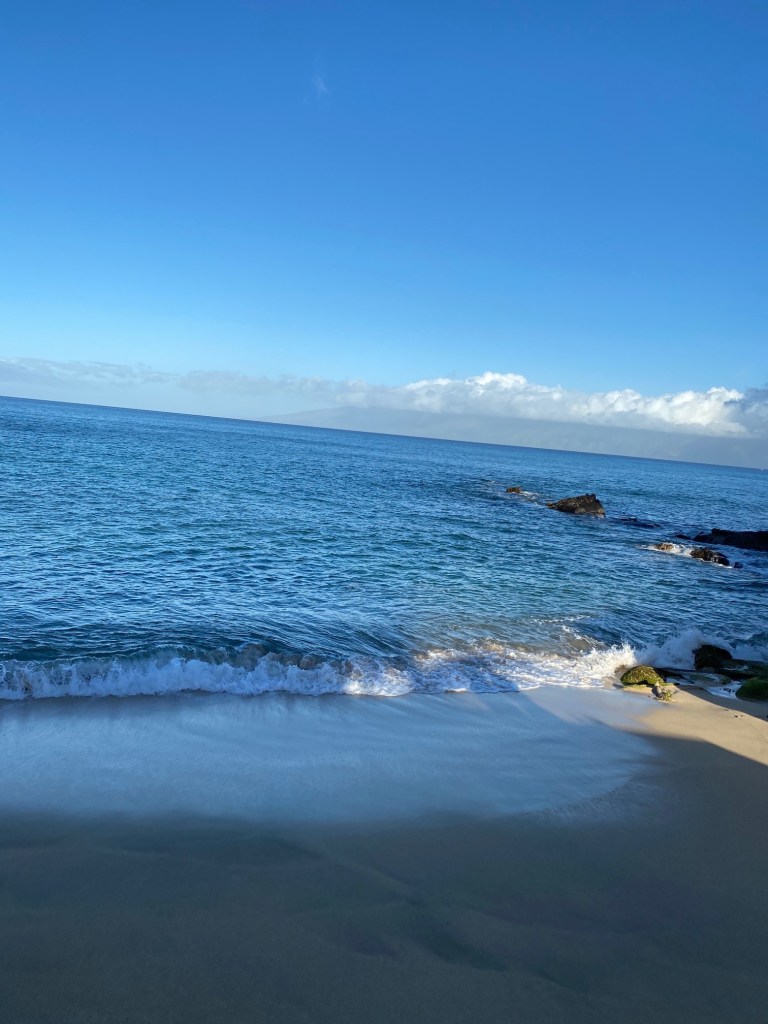
            For two weeks each February we stay at a welcoming Pacific Ocean cove on the island of Maui.  There the ocean is a half-moon of swimmable salt water between two lava cliffs slapped with waves that toss dramatic sprays of foam into the blue skies.  Idyllic for me who likes to swim laps from one cliff to the other, daring proximity to the rocks where I can see below rainbowed fish and an occasional turtle twirling its great weight through waves to feed on algae.  

            Once the hot Hawaiian sun urges me to swim, I walk on to the fine sands of a beach that shortens every year with the rising of ocean tides.  I stand there for the water to come to me, to tickle my warm toes with cooling fingers of surf.  I pause, pull on my goggles and measure my way until I must decide if the next incoming wave will wipe me out or welcome me into the bay.  Experience is the great teacher.  I know this beach, its sudden drop-off denying no second thought for footing or floating.  Cautious immersion until the drop-off begins, an incoming wave big enough to coach me out, small enough where I can dive into it, I plunge followed by long freestyle strokes and a rhythmic rocking side -to-side so I can keep the shoreline in sight.  Having a rather right-angled stroke, my history includes too many unconscious swims to frightening depths before looking up at last to discover I have swum well past yelling-for-help if needed.

            Such a process, you’d think immersion challenged more than return to shore.  Wrong.  Getting out requires all the wits of an oceanographer intimate with swells and calms.  Sensing my swim is done, I don’t merely head to shore, but navigate what the tides have done while I delighted in my cross-bay laps.  Did low tide shift to high?  If so, on return, I could be swooshed onto the sands and slapped against the restraining wall built to protect the condominiums.  

If the calm sea I entered switches to hillocks of swells, one big wave could roll me on to the beach like tumbleweed in a grassland.  Every crevice of my body will fill with sand as the water discards me, sometimes changing its mind and sucking me back, as if enjoying the torture tossing me over again. Simply one foot of rushing wave requires some leg muscles as I race out of the surging surf.  But experience does teach.  Now before getting back out of the water I alternately turn my gaze forward and backward like a driver at a busy intersection.  How close am I to where the drop-off rises?  What wave is coming from behind?  How far until it reaches me?  It is usually best to let it lift me in its arms and carry me toward secure footing.,  Not quite there?  Well, give in to it, slide out with it, and wait for the next wave to ride.  Feet securely planted on sand?  Then run like hell before the receding surf grumbles back to sea without me.   I head for the fresh-water shower where the grassy lawn meets the sand, shower off, return to my beach towel and face-down drowse off to the fragrance of new-mown grass and my own sun-washed body.  My heart beats with good health.

            Most of our fellow tourists at our resort are retired as we are.  Few of them swim in the ocean.  Occasionally they will bob in a social group at low tide, but usually they congregate in the small, warm, kidney-shaped pool.  They cheer me on for my courage or foolishness.  They are safer for sure.  But they have not seen the rainbowed fish, nor been surprised by underwater encounters with giant sea turtles.  When they emerge from the pool, are their hearts beating?

            Swimming for me is also meditative.   When I was teaching, swimming mornings before school, I revised lesson plans for the day.  Since retirement, I swim through struggles. and today  I am writing to swim through my thoughts, the reason I write any of these blogs.  It is human to replay painful experiences to learn, to decide if there is a next time when things could go better.  In spite of my husband’s admonition to avoid discussing politics, race or religion, I recently ventured into a discussion of my experiences growing up in the segregated South.  My small discussion group was inter-racial and much younger than I.   Should I have stayed in the little kidney-shaped pool with the other senior citizens?  The conversation did not proceed amicably.  This is a tense time in our nation as we deal with centuries of racism and division.  My 77 years of a life shaped by segregation and privilege may not be of interest to the 20-year-olds who want to build a more just life without the elders.  I keep replaying words said and left unsaid.  When I fled the angry waves and sought the comfort of my beach towel, I had not reached a resolution to the conversation I was replaying in my head. So much for swimming meditatively to resolution.

            At this moment , I am 10,000 feet in the air flying back to Seattle after our vacation.  Next year, will I swim in the ocean again?  I might get pulled out too far by a changed tide, or dragged ashore by a rogue wave, yet I might get to swim with a turtle again, a stunning, fellow-creature even older than I am.   

The Company You Keep

            Common sayings fascinate, not only for their surface wisdom, but also for their substratum implications.  What fun to excavate, especially when an adage is spoken as a dictum. Who of us was not advised by our parents,  hoping to steer us from troublemakers, “You are known by the company you keep?”  In my adolescence, the dictum rarely worked for me, as oftentimes  the “troublemakers” displayed exciting lifestyles.  My parents hoped to direct me to their notion of “us,” in other words, teenagers at our Congregational Church who gathered Sunday evenings for Pilgrim Youth Fellowship or students enrolled in the college bound curriculum at Newton High.  Diversity widened there, but essentially kids on paths our family wanted for “us.” By spending my growing up days with them, my parents assumed those kids’ virtues might control my wanton wandering to the valley of troublemakers whose futures were destined for the state penitentiary or greasy spoon diners.  

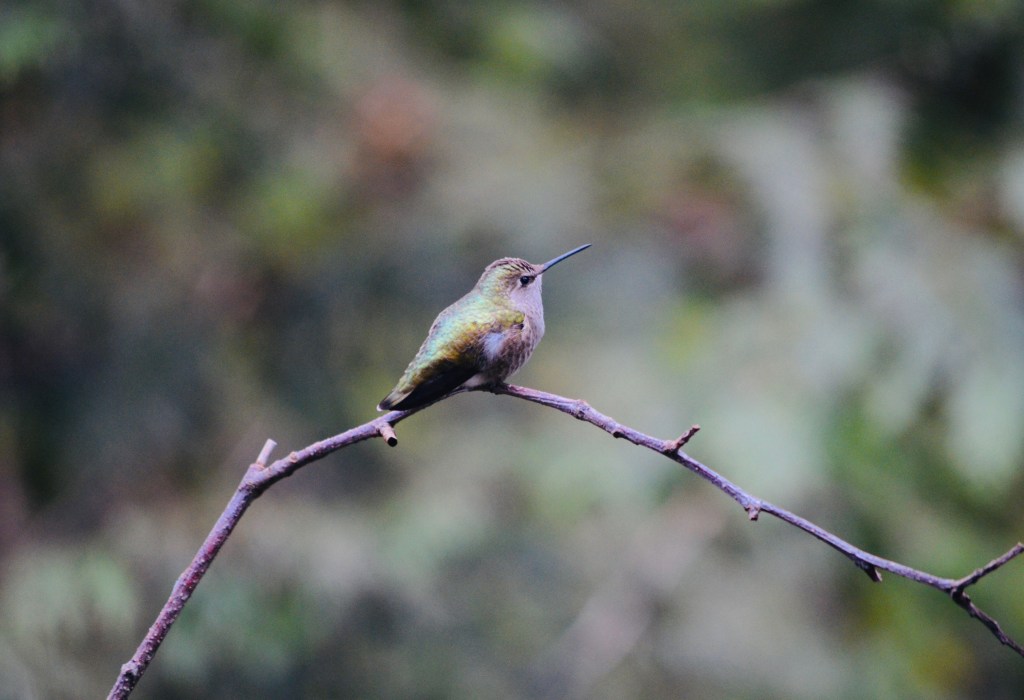
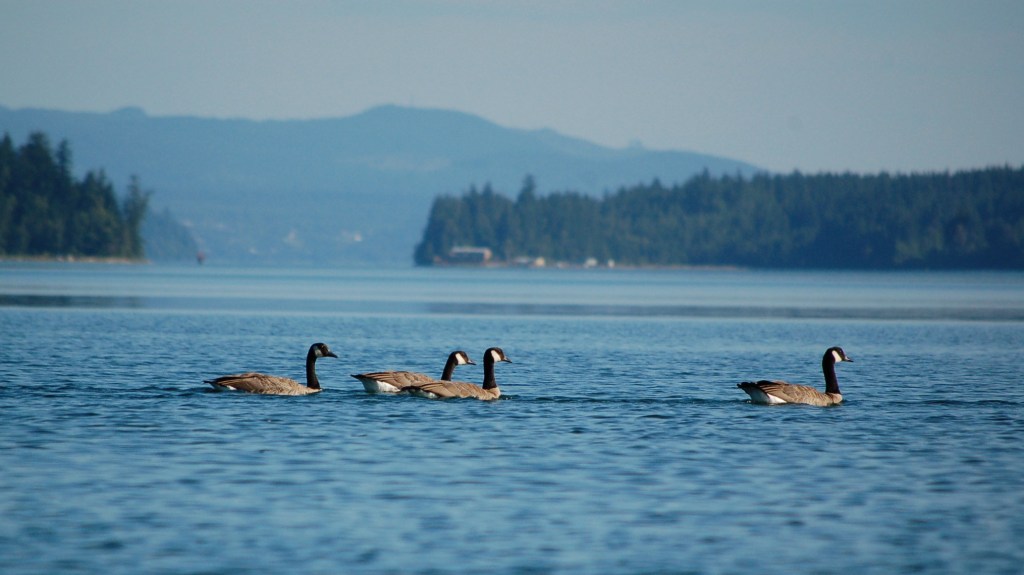
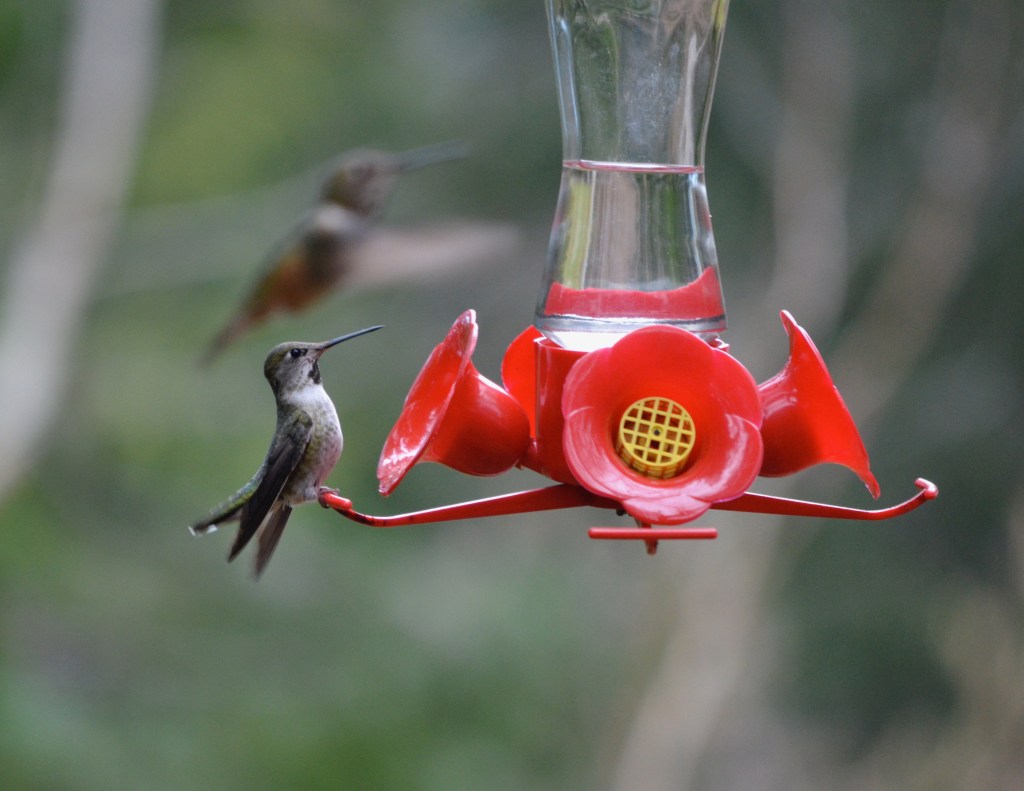
            The “Company You Keep” dictum allies with another maxim: “Birds of a feather flock together.”  You can learn a lot from birds.  One of the blessings of forced isolation this past year is time taken to look outside, if only to your suet cage, to appreciate lives of the birds.  The hummingbird hangs out at our red, sugar-water disc, just a pair or two over the winter.  Come June we can count over twenty hovering, diving, pushing one aside to get a substantial sip of nectar.  All are hummingbirds, but not the most congenial flock, rather a Me First aggression that defies their common species.  Geese and ducks float by our Quilcene Bay cottage in rafts of sameness: Canadian geese, a raft of pintail, another raft of widgeon, each with a distinct quack or whistle. 

            Yet many birds migrate and roost as mixed species.  Why?  For protection and for sustenance.  It has been shown experimentally that chickadees and titmice are used as sentinels by downy woodpeckers foraging in mixed-species flocks. Smaller birds often fly in great flocks of larger birds for protection from raptors that could easily spot and pick them off in single flight. 

             Foraging for food also pays off in mixed species with an increase in feeding efficiency. Migrating groups are able to feed in areas from which single individuals would be ejected by the “owner” of the territory. Having more individuals searching for food increases the likelihood that a rich feeding patch will be located. By moving together in a mixed-species flock, birds with the same sorts of diets can avoid areas that have already been searched for food. Individuals in mixed flocks learn about new food sources from other species; tits have been observed to visit the site where a woodpecker was pecking at bark and to begin pecking in the same place. Associating with birds of different species that have somewhat different food preferences and foraging techniques, each individual faces less competition than it would in a same species flock.

  I can’t let my ornithology lessons go without getting back to parents selecting friends or searching for sameness.  Having followed their encouragement, I did gather mostly with my WASPish community.  In 1958, moving up to Newton High School, a school of 3,000 students, my buddy group didn’t diversify.  That, in spite of Newton High’s proud advertisement that it was 1/3 Protestant, 1/3  Catholic, 1/3 Jewish.  Looks good on paper, but does not reveal that each third rarely socialized in “mixed species” with the other two.  In the college-prep Curriculum One I sat beside Jewish students who didn’t invite me to parties or to join their clubs.  The Catholic kids might invite me to follow them to Mass, but were prohibited from attending my Pilgrim Fellowship.  Competition for grades and college entrance, led to reinforcing stereotypes feeding anti-Semitism, as several Jewish kids surpassed my academic ability. 

            And speaking of friendships disallowed, when the Trump followers stormed our national Capitol, I responded in a stupid way, flying away from the flock.  Searching to find a reason for such insurrection, hoping reason would explain why anyone would vote for Trump or deny the legitimacy of the election, I emailed two women who have been friends for 60 years.  They were the first two girls at Lincoln High to welcome me when my folks moved us from Newton to Seattle in 1960.  Ardent Republicans, they likely voted for Trump and may have denied election results, so I concluded that without an explanation I could accept — something to make them more like me — I could no longer communicate with them.  Later, maybe too-late, I apologized.  I am ashamed.   

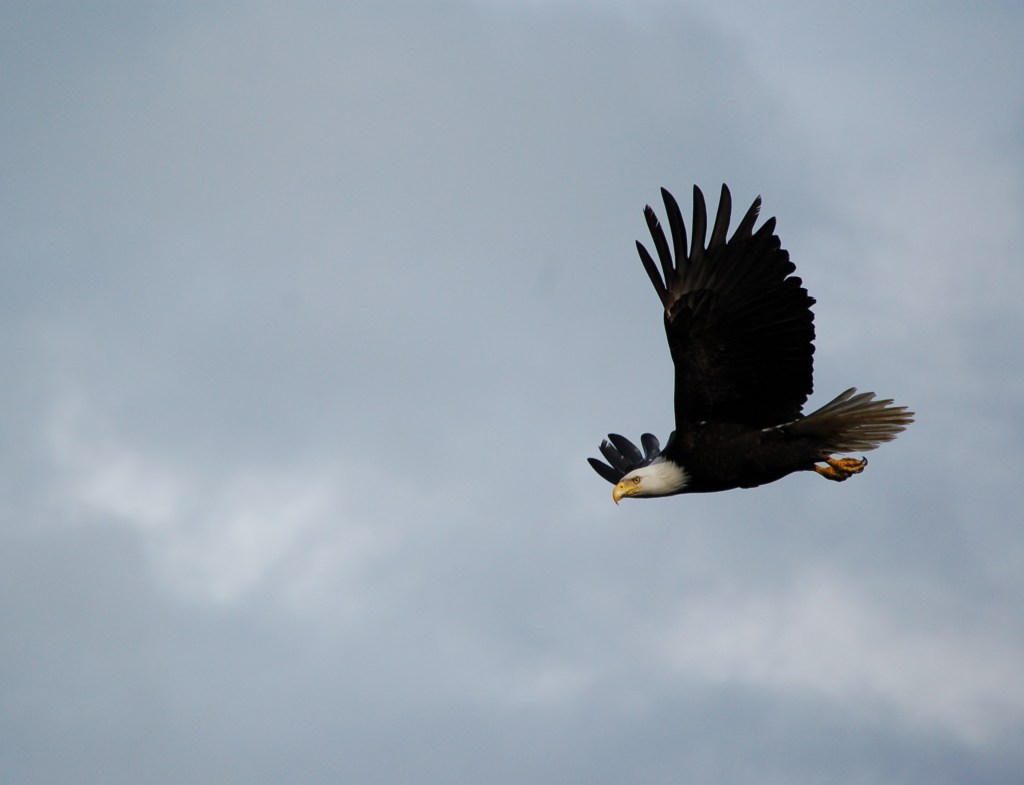
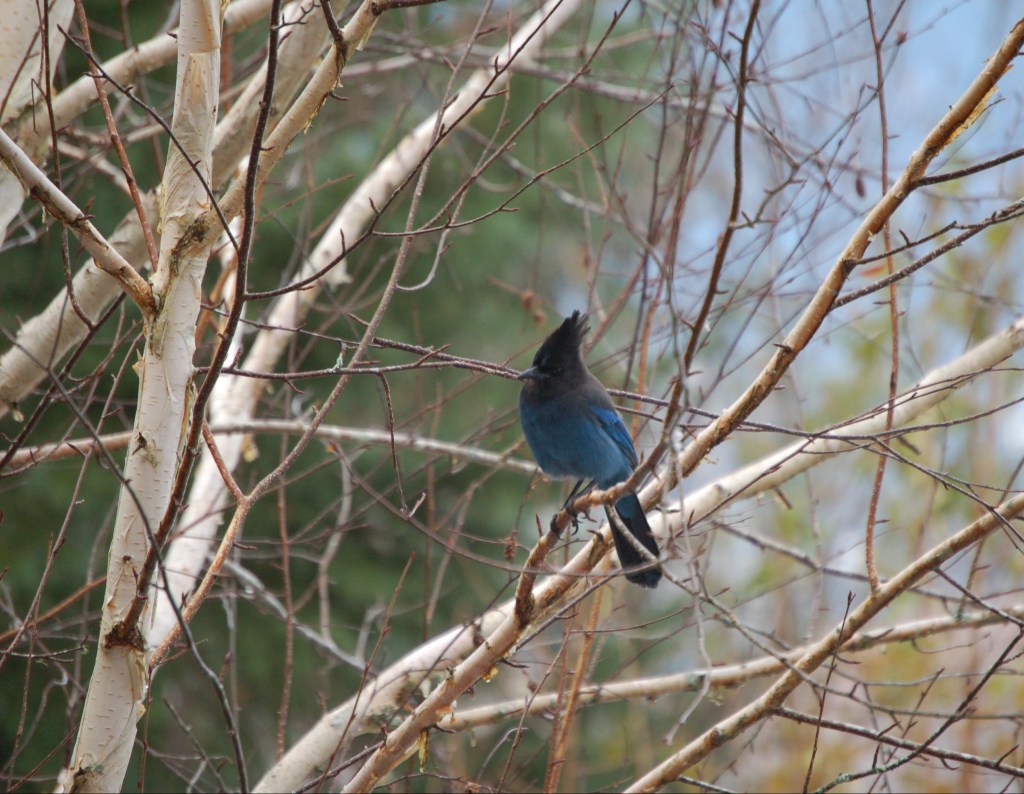
 This week President-Elect Joe Biden ascended the stairs of a recently ravaged Capitol to call for the nation to unify – fly as one flock that includes multiple species.   Looking up beyond our flying flag, he did not see only eagles.  Perhaps he spotted a Steller’s Jay on a cherry tree below.  Some people would rid the woods of those jays that are known to steal eggs, whose multi-lingual calls shatter backyard peace.  But oh ! That ebony crown, those royal blue feathers, the brilliant brain of the bird!

Who Has Seen the Wind?

Who has seen the wind?
Neither I nor you:
But when the leaves hang trembling,
The wind is passing through.
 
Who has seen the wind?
Neither you nor I:
But when the trees bow down their heads,
The wind is passing by.
 
Christina Rossetti

Lines my Victorian-loving father recited to me.   Today, winds waft in from the Southwest forming greedy tongues on the surface of Quilcene Bay.  High tide surges in as if  pushed by an eager parent sending a child on a swing.  Waves carry fallen logs snatched along shorelines, and those logs are cradles rocking recklessly on the incoming tide. If this January tide is high enough, logs will be battering rams to wipe out our driftwood fence, falling each picket like a domino collapsing its neighbor.  Then the waters will laugh through the gaps and surge across the lawn, all the way to our front deck.  In past years, we have looked over the deck’s railing at roiling salt water.  We looked down and held our waiting breath for ebb tide to return.

 In the surrounding woods, cedars and Douglas Firs dance as if the band won’t take a break.  Ferns lean over, revealing under fronds like girls who toss their hair over their heads to dry in the sun.  There is no sunshine today.  January 2, 2021 blows in the New Year, and I am celebrating fresh air.  Barring a brittle alder limb crashing over my head as I walk the trails, and ignoring the threat the power could go out in the cabin, I am having fun.

                When my daughter was between three and six-years-old, together we took Windy Day Walks, usually on October afternoons, another gusty month in the Pacific Northwest.  Holding hands and skip-walking among falling leaves and plopping acorn hats, we recited Winnie the Pooh’s winter poem titled, simply, “Pooh’s Poem” in which my little girl played Piglet to my Pooh:

The more it snows, Tiddely Pom
The more it goes, Tiddely Pom 
The more it goes, Tiddely Pom
On snowing.
And nobody knows, Tiddely Pom
How cold my toes, Tiddely Pom
                      Are growing.                         

My daughter was always on cue with her tiddely poms increasing with exuberance as if we were a pas de deux.  I confess that I devised the game to encourage us to get exercise on a windy day.  She might have enjoyed more to stay indoors with Sesame Street.  Poetry, a line and refrain, kept one skipping foot ahead of another until we were around a half dozen blocks and back home sipping tea.  

     “Who can see the wind / neither you nor I. ” Yes, unseen forces inspire  our imagination.  Today’s wind is the brushwork of the creative God, reminding me on this second day of a New Year the immensity of forces surrounding me.  I am never alone in the woods or on the waters.  I might as well have fun and inhale all the fresh air of a New Year.