
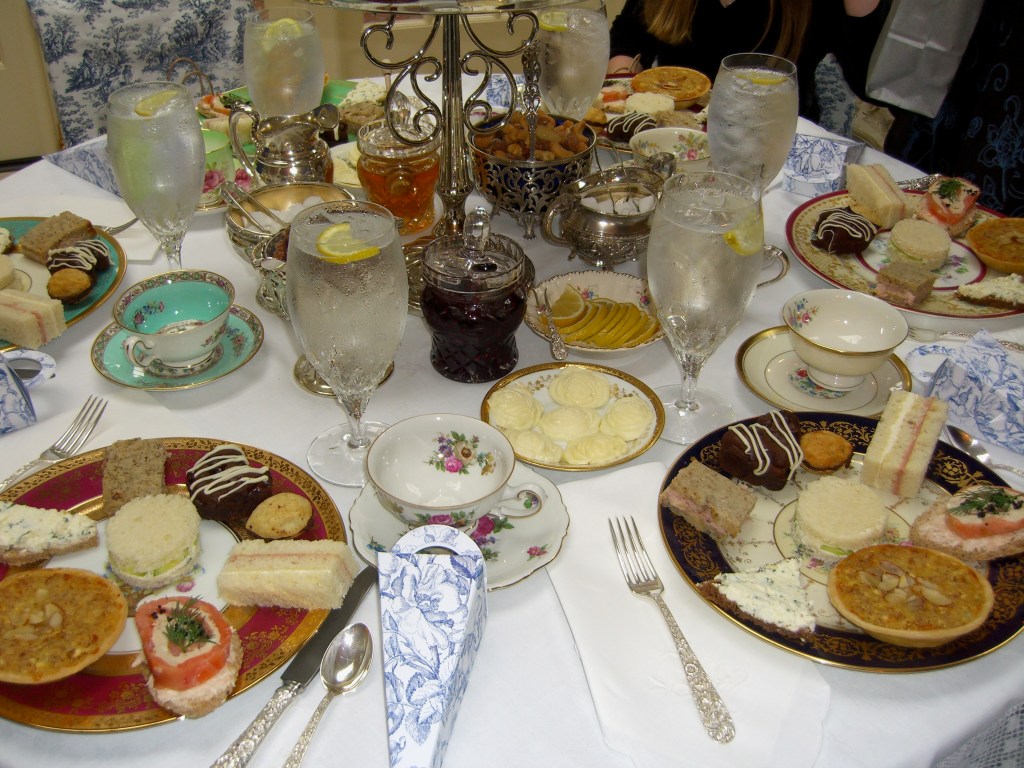
My friend, Shemaiah Gonzalez writes a Substack blog Undaunted Joy wherein she writes about the many blessings of life. Recently she wrote about the pleasures of food, especially the way that food brings people together in community. Inviting her readers to reflect on how food connects them with others, I thought of a food memory that transcends a hundred years.
I am steeped in British landscapes and literature, so when our family planned a vacation in Great Britain years ago, the Lake District rose immediately as our desired destination. Wordsworth, Coleridge, even Beatrix Potter would await me among fields of daffodils overrun with charming bunnies. The tourist brochures reinforced my imagination illustrating landscapes bathed in sunshine, broken only by a few errant clouds that gave dimension to the sheep-dotted rolling hills between iconic lakes. Photos and walking maps depicted happy hikers taking the entire route on foot, no doubt stopping on the way at cozy pubs. We arrived there on an August day that felt like November in Seattle. Rain fell relentlessly. I had been unable to persuade my husband and daughter to tour the Lakes on foot, but we passed clumps of tourists who did, easily recognized by their heavy slickers glowing with water, their walking maps encased in plastic folders dripping from chains around their necks.
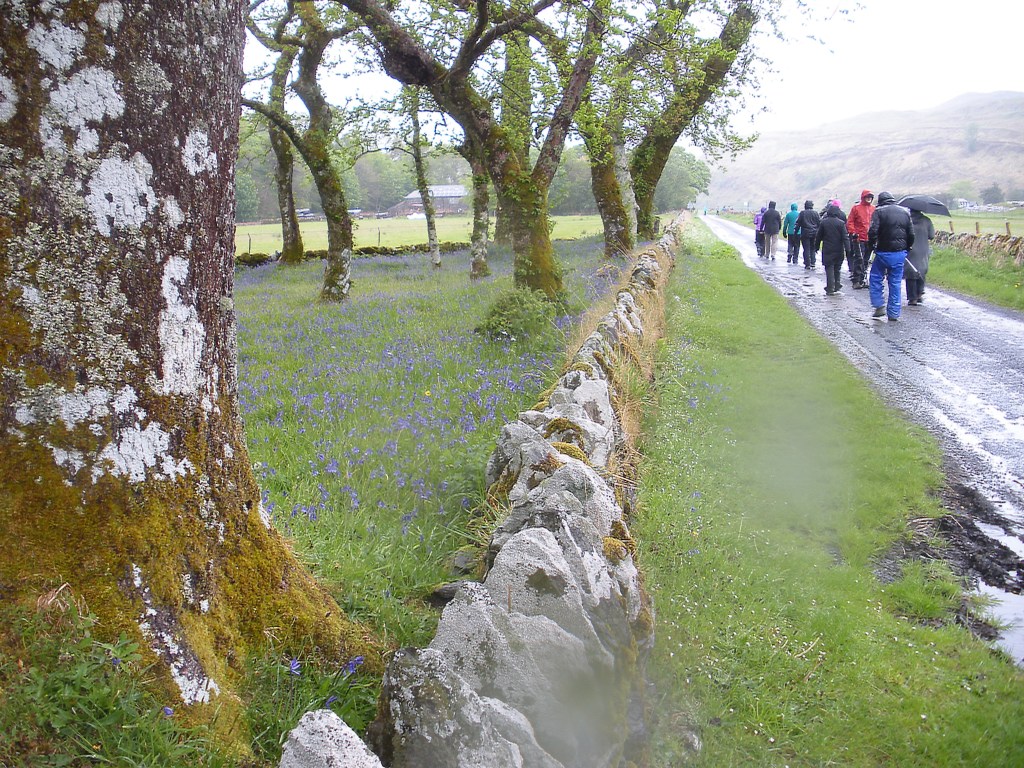
“There you are,” my husband teased as he spotted one soaked woman emptying her boots by the front door of a pastry shop. But the pastry shop! I wanted to stop there, having noticed its sign that read “Authentic English Shortbread.”
“Stop!” I begged, “Let’s go in and get some,” But my husband was trying to negotiate a roundabout, and so held me off with a promise to return before we left the area the next day. He forgot, and I forgot to remind him as we headed south to Northumberland. I could only sulk alongside him. Once in a village near Robin Hood’s woods, my husband entered a bakery and returned with two large cookies, hoping to soothe my spirit.

“These won’t be the same,” I complained, while reluctantly taking a bite out of the large, rather plain cookie. And it wasn’t likely the same cookie we missed buying in Windermere. It was, however, identical in size, weight and flavor to my Grandma Cartwright’s cookie, her only cookie she baked on her wood stove, every summer we visited her modest Wisconsin farm. The sun came out as I looked up the cobblestone street to other shops in the English village. I felt as if I had been there a hundred years before. My ancestors emigrated from England in the 1800’s, and at the moment of that cookie bite, I felt I was, in a way, returning home. Connection! Perhaps some Italian-American immigrants feel a kindred spirit when they taste a marinara sauce in the Tuscan Hills, or an Irish immigrant visits Dublin and savors stout. I am not suggesting that cookie recipe was passed down mother-to-daughter for over a hundred years.
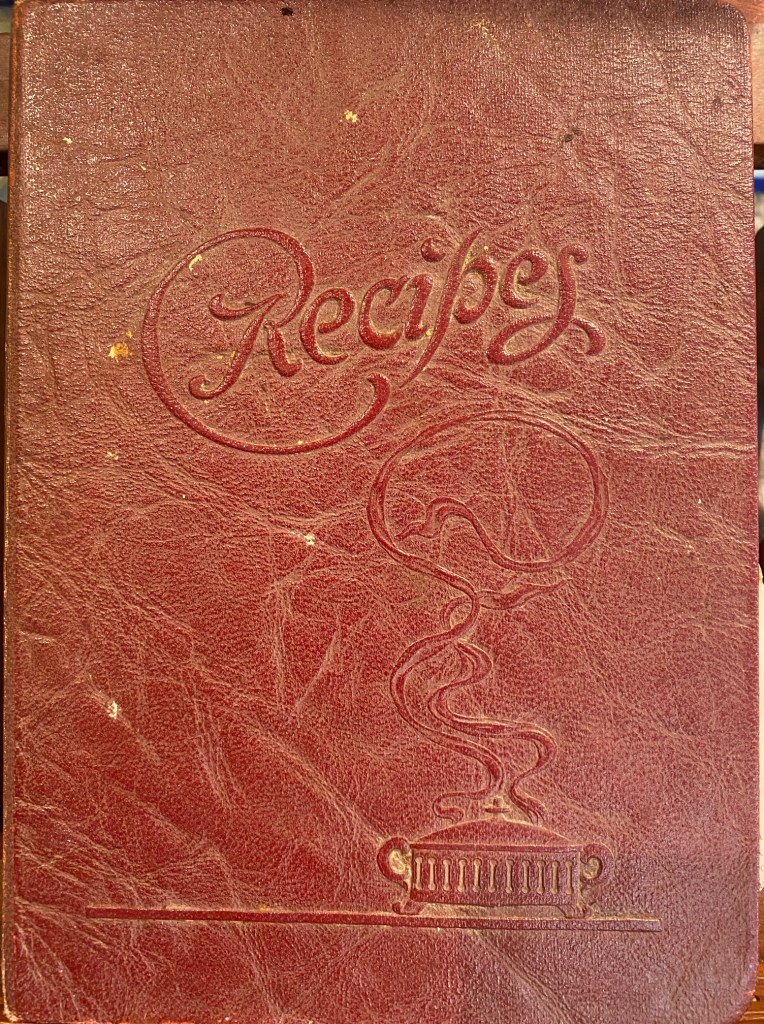
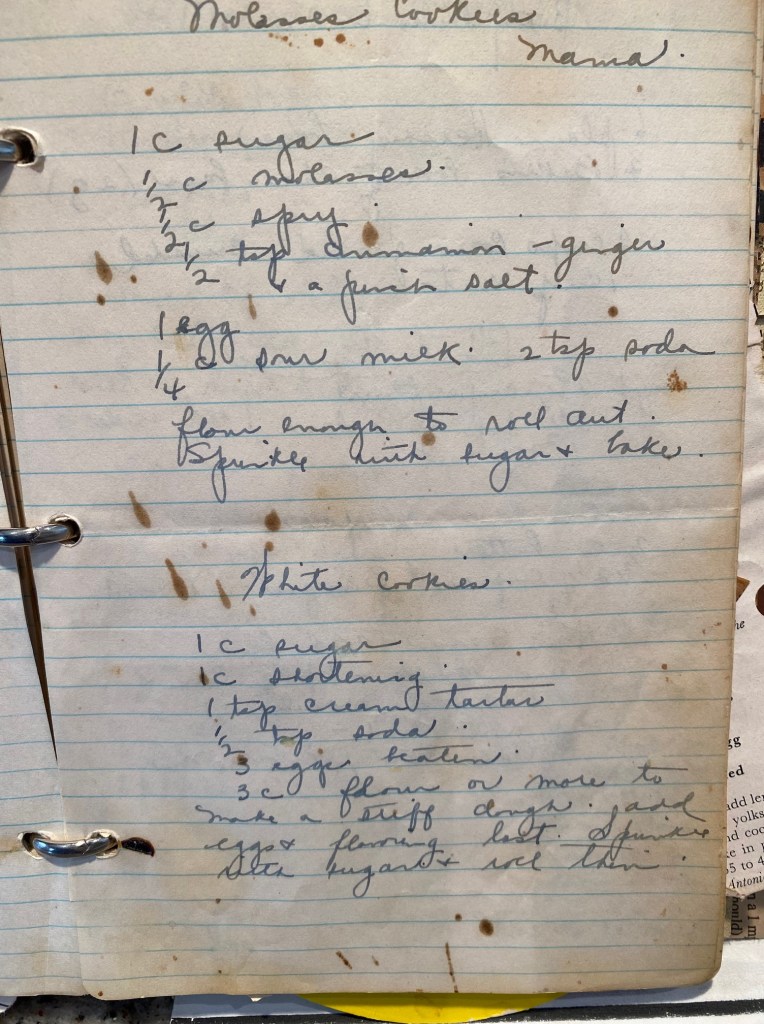
I still have my mother’s cookbooks on my kitchen shelf. There in a scuffed three-ring notebook, my mother hand copied recipes from gelatin salads to tuna casseroles. I rarely recreate one of those recipes, but I love reading them, all in my mother’s characteristic penmanship. To see her handwriting is to see her. Now that recipes are flashed by email, my daughter will not have a favorite dish described in her mother’s script. But I do, and when I turned to the cookie section, there I found the recipe spotted with drips of what must be molasses. (Favorite recipes all had splatters of ingredients on the pages). In the upper right-hand corner, Mom wrote the name of the person who provided recipes –Mrs. Cooper, or Hilda Deck. On this cookie recipe I felt a solid connection with my mother and my grandmother for on the top right-hand corner, I see “Mama.”

 Mary's Room With a View
Good stuff. Thank you, Mary.
<
div dir=”ltr”>
<
blockquote type=”cite”>
LikeLike