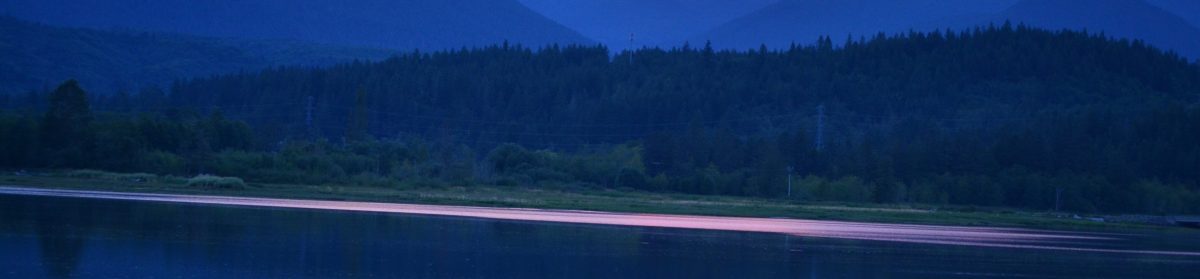
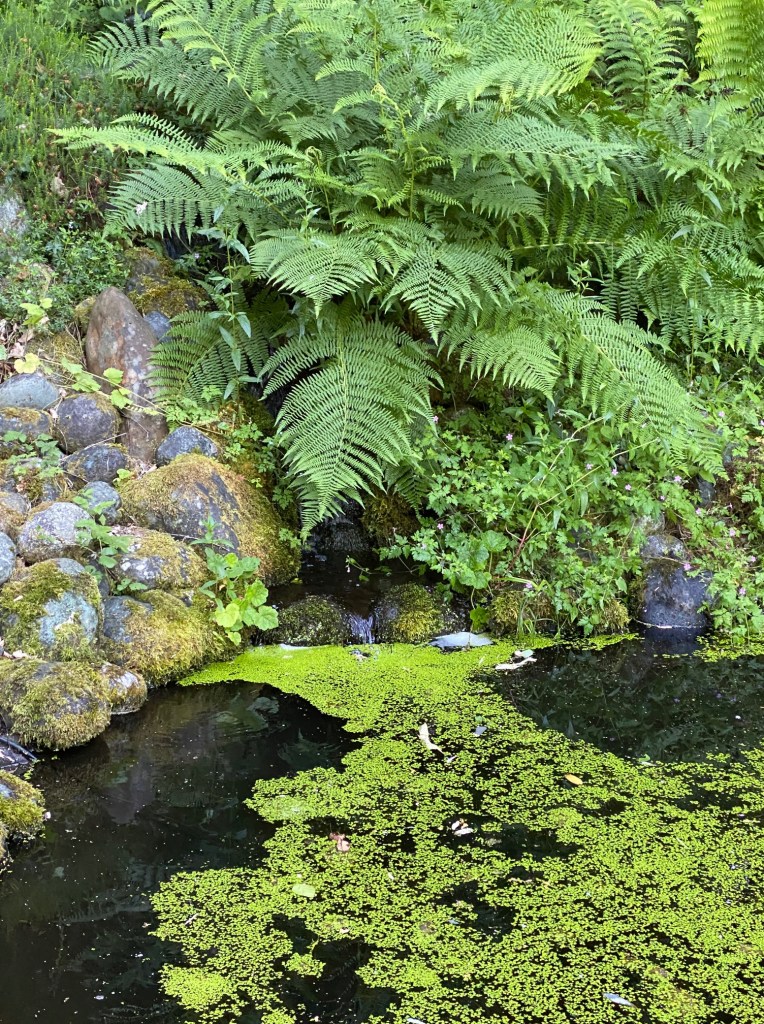
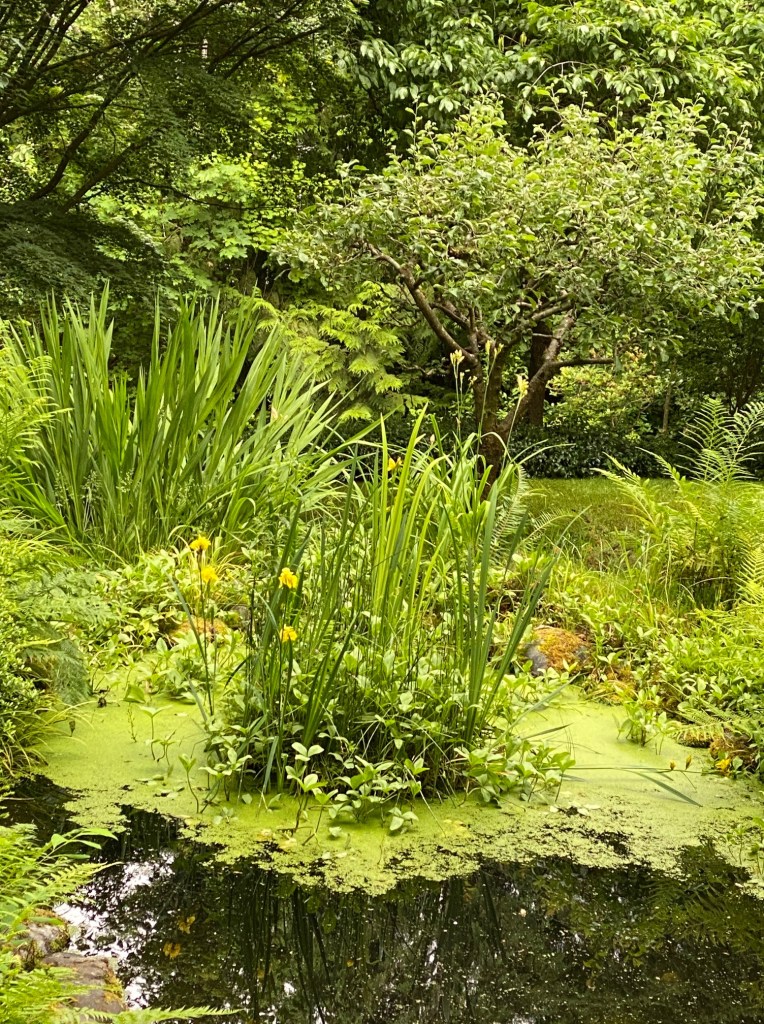
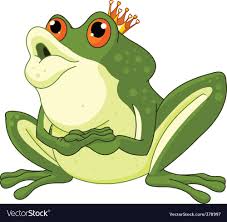
Since March, frogs serenade our woods, their rehearsal room located beneath ferns or under the duckweed that settles on the pond’s surface. I rarely spot a frog, and when I do, occasionally in a tiddelywink flip it plops in the water. Safe! Weekly, I skim half of the pond, removing duckweed so we can see our own faces smiling back at us. Surrounding the little island in the pond, we leave a wide necklace of undisturbed duckweed for frog eggs, then tadpoles to find refuge there.
I cannot think of frogs without reciting Emily Dickinson’s poem:
I’m Nobody! Who are you?
Are you – Nobody – too?
Then there’s a pair of us!
Don’t tell! they’d advertise – you know!
How dreary – to be – Somebody!
How public – like a Frog –
To tell one’s name – the livelong June –
To an admiring Bog!
In retrospect, I hear her lyrical, poetic voice singing out over a century since in self-imposed seclusion, Emily penciled hundreds of poems. Did seclusion nourish her voice? Did she require a necklace of anonymity from which to sing?
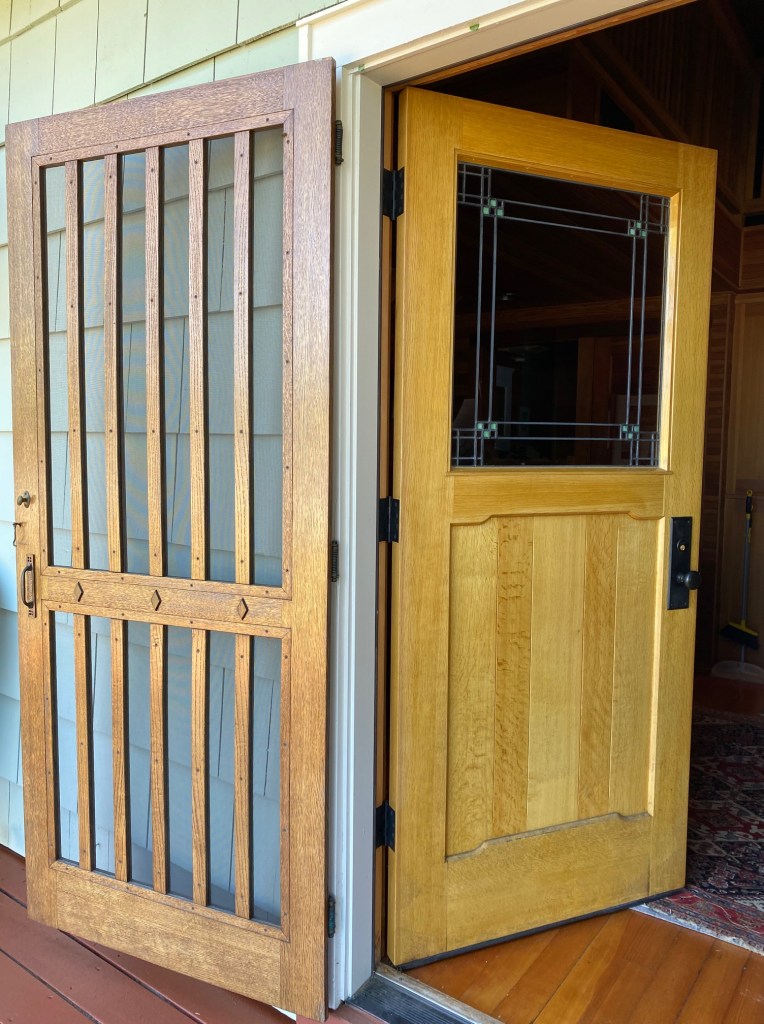
Here we are, “stepping out” of a year of social seclusion. Enamored with quaint phrases, I adore “stepping out,” suggesting caution in hopeful courtship: Have you heard? Jane is stepping out with William. In these post-pandemic weeks, few of us are bursting through our front door, throwing out our arms, and racing down unmasked streets. This month, Governor Inslee decreed Washingtonians could venture outside in public, mask-free. Yet on my neighborhood walks, I pass many others, even joggers, still wearing face coverings. Surely most are fully vaccinated. An embrace with a vaccinated friend feels as awkward as a first kiss.
Although Americans have been physically isolated, our year has exploded with social turmoil: a contentious election, marches for social justice, crowds storming the Capitol, folks waiting in long lines to vote. We were out there – how public like . . . a frog?
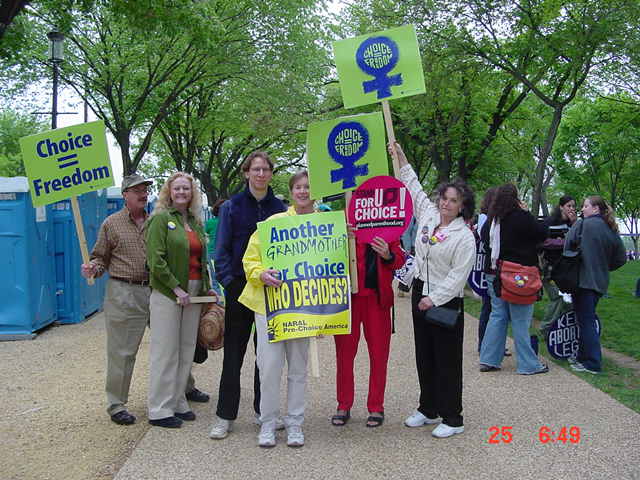
Seclusion has afforded me time to write, to consider my song. Even at my advanced age, I learned this year so many words to speak and not to speak to avoid micro-aggressions against others in our shared society. I want to add my voice in support of humanity by thinking of a diverse audience, certainly more worthy than “an admiring bog.” However, I fear saying the offensive thing when stepping out to express myself on a public platform. Almost every week, media headlines call our attention to a person of importance who has said the insensitive thing and, consequently loses prestige, even a job. Stepping out and/or stepping up is a cautious immersion. By growing up in America and hearing decades of racist, narrow minded vernacular, to expose my voice on the concert stage has me imagining the risk of dodging rotten tomatoes. Language, like all awareness, evolves. Yesterday’s compliment can become today’s insult. Writers need to step out with secure footing and tuned-in ears for the audience. Perhaps Emily Dickinson was wise to wait well past her demise for publication that would allow her to step out over the threshold of her 19th century readers.
 Mary's Room With a View