RATS

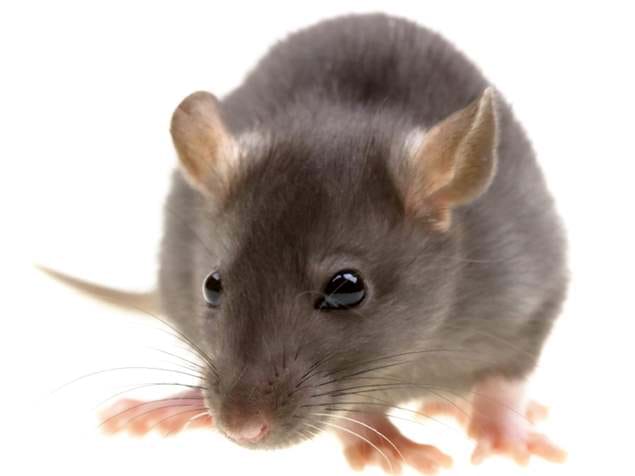
Nothing evokes terror quite like RATS – except decaying rats – especially having been trapped, when they decompose beneath the floorboards under your bed.   The foundation of our Quilcene cottage rests on stilts and beams, a short hundred feet from shoreline, so vulnerable to wildlife shinnying up the posts to seek a home in our home.  Mid-August presages winter for all of them, consequently we are accustomed to spotting spiders emerging from kitchen sink drains, or signs of mice who scrounged insulation for nests beneath the range.  Our visiting granddaughter, sleeping upstairs in the loft, alerted us that mice raced through the walls behind her bed during the night: “I live in Brooklyn, Nana, so I know the sound of scampering mice.”
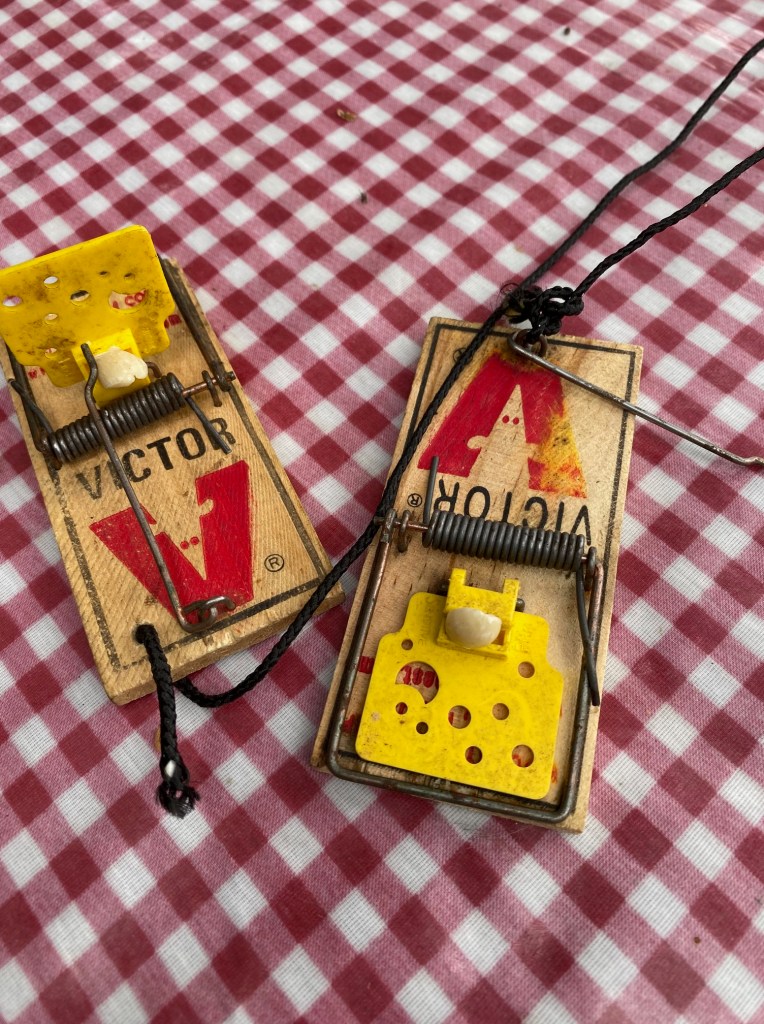
            Allan fetched traps from the garage that he strategically placed in the kitchen, bedrooms, and two out-buildings (garage and studio). The very next day two mice bit the peanut, then bit the dust in the garage.  He set a larger rat trap in the closet by our bed, a small door within the closet opening to access plumbing and, by extension, the underflooring of our cottage set on stilts.  
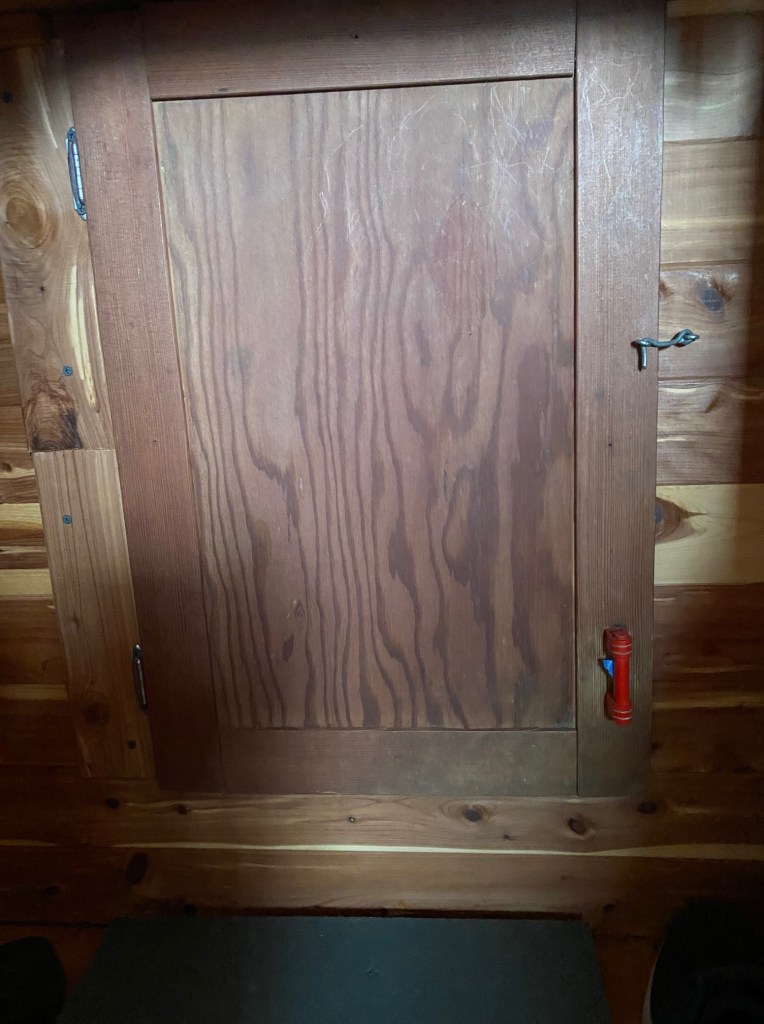
            This weekend, we returned not to that trap wrested from its perch but to a smothering stench sifting through our bedroom.  No trap, no rat within reach.  After midnight, donning rubber gloves and aiming a flashlight, Allan plunged through the door opening to the floorboards, and grasped the corpse of an eight-inch rat (sans tail).  Under a full moon, he tossed the rat over the front fence where incoming tides will carry it to rat heaven.

            Despite a sleep deprived night, I awoke today dismissing the stench and considering why I am predisposed to despise rats. Without them, where would medical advances be?  Then the beloved literature of my childhood – Ratty, the most intelligent, compassionate creature in Wind in the Willows? Not to exclude Ratatouille, a Pixar heart stealer.

FF98Y1 ‘WIND IN THE WILLOWS’. /nWater Rat & Sea Rat: drawing by Paul Bransom from 1st edition, 1908, of Kenneth Grahame’s Wind in the Willows.

            When I served as a child advocate for foster children, nine-year-old Colin was found by CPS surviving under a Seattle bridge.  Having escaped an abusive home, he lived day-to-day on his own wits, both ill and hungry. His anger and fear affected his behavior, so he was transferred from one foster placement to another for four years before the perfect patient and wise couple from NY State invited him to their home. In one foster placement, Colin was allowed a pet.  He chose a rat whom he adored.  On my visits I would find him curled on an overstuffed couch, his arm stretched out so his pet rat could scamper up to nestle by his cheek.  It is no accident that Colin identified with a creature known to be lowly and despised.

            Before breakfast, I put away my rodent reflections to check my email.  I had been sent a blog post from a writer from Mississippi, a writer whose name slumbered in my memory. Rather than immediately read it or delete it, I rested on “Mississippi.”  Why would I read something from a Mississippian who probably has a far-right scree to send?  It is a state whose schools are historically inferior, that bans abortion rights, a state that voted for Donald Trump with 57.8% of the votes in 2016. No rat in my meditation, but I had been invaded with that predisposition to judge.  Luckily, I set it aside, clicked on the blog post and enjoyed an insightful essay about poetry, memoir and location by Beth Ann Fennelly, a poet whose poem I had copied one month for the poetry box.  My request for her permission put me on her mailing list. Her writing felt like a gift.  What a creative start to my day.
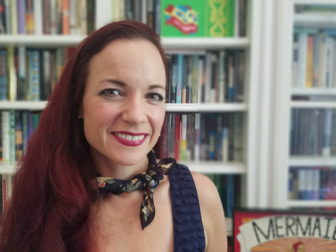
Mid-Winter

“In the midst of winter, I found there was, within me, an invincible summer.” (Albert Camus)

If December 21st is the first day of the Winter Solstice, the exact date of Mid-Winter, this year was February 3, 2023, half-way between Winter Solstice and Spring Equinox.  Stopping to note this day is much like my childhood self, plaintively calling from the back seat of our ‘51 Buick ,“Are we there yet?’  My impatience for arrival at a desired destination could be calmed by familiar guideposts along the way.  “We just passed the city limits sign” would suffice.

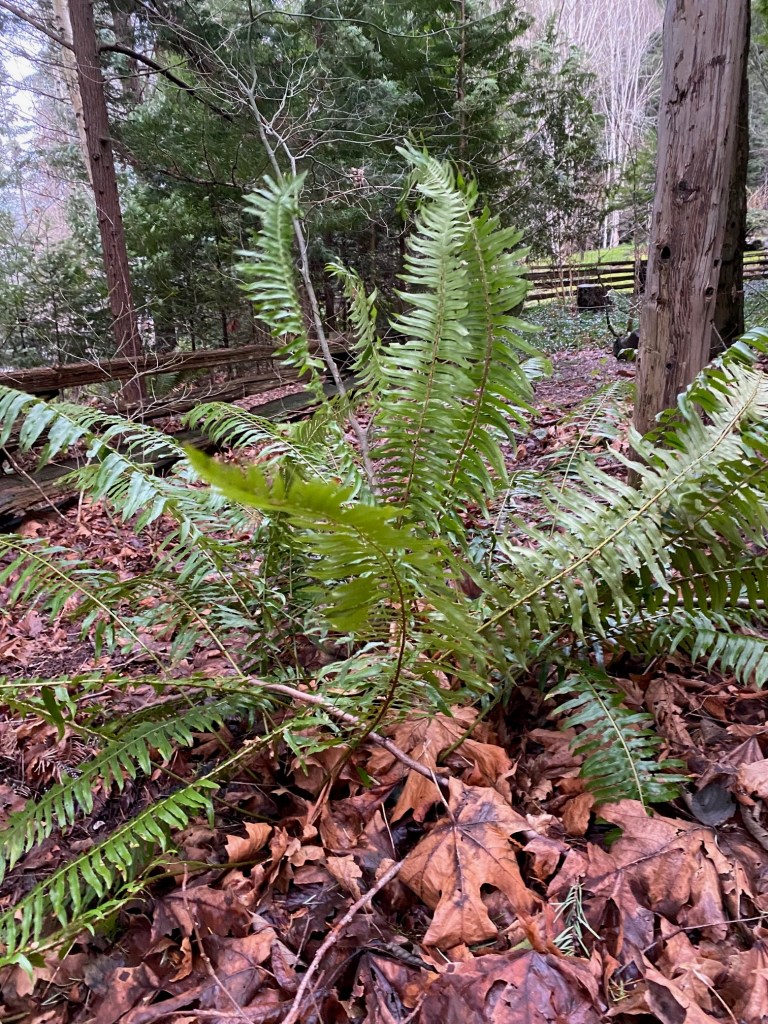
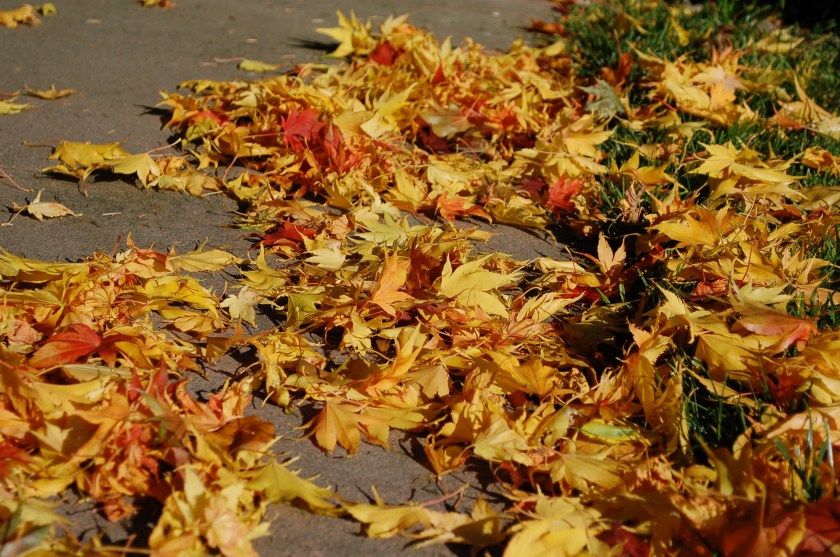
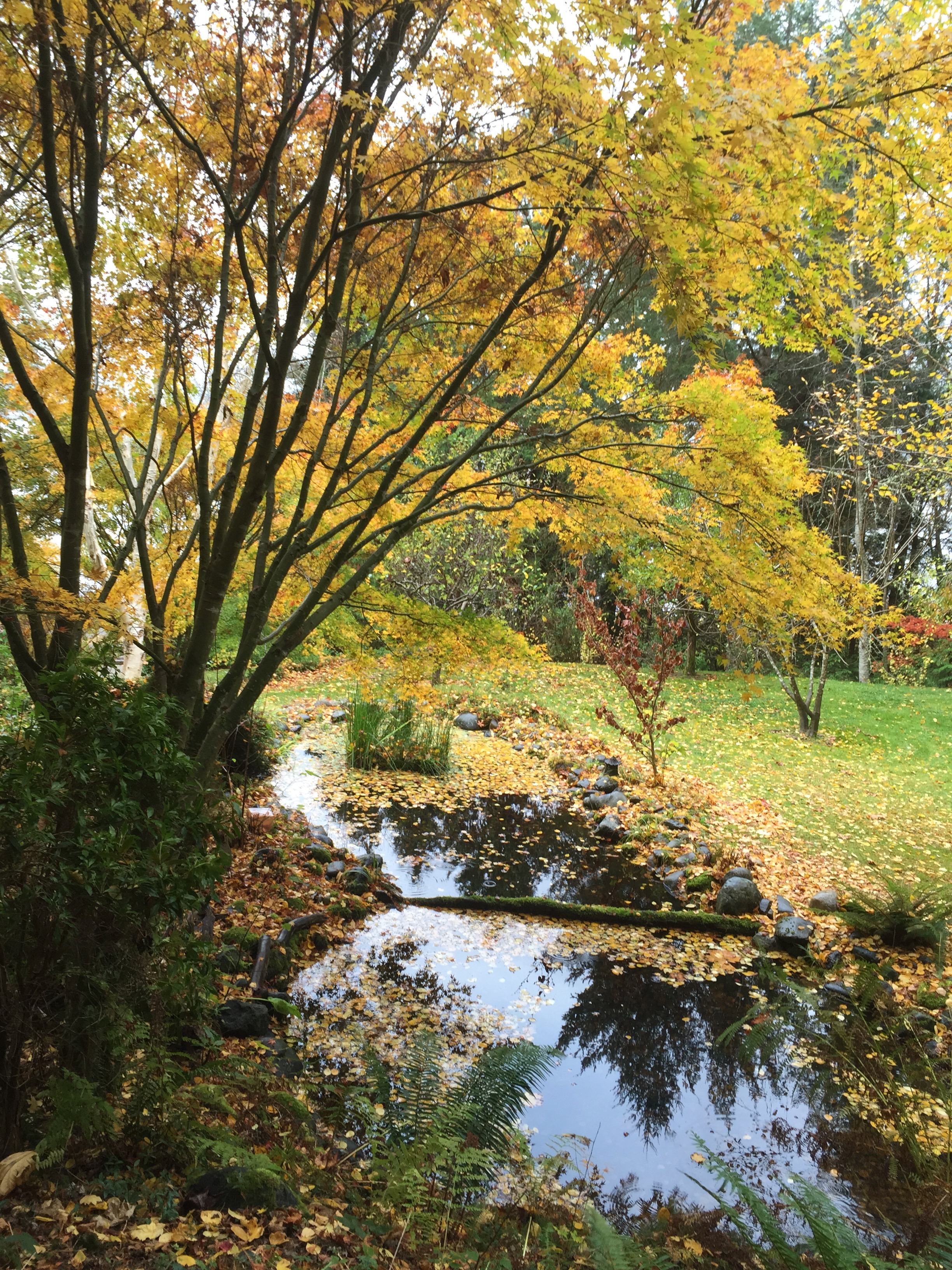
 In early February, ignoring morning temperatures in the ‘30’s, I seek signs of spring’s arrival.  The trails around the woods are slippery with sodden, decomposing leaves shaken loose from big leaf maples by bitter January winds.  No leaf remains clinging to the tree; the only ones still above my head are cradled in dark cedar broughs.  Death dominates the day from gloomy dawn t0 dusk at 5:00PM.

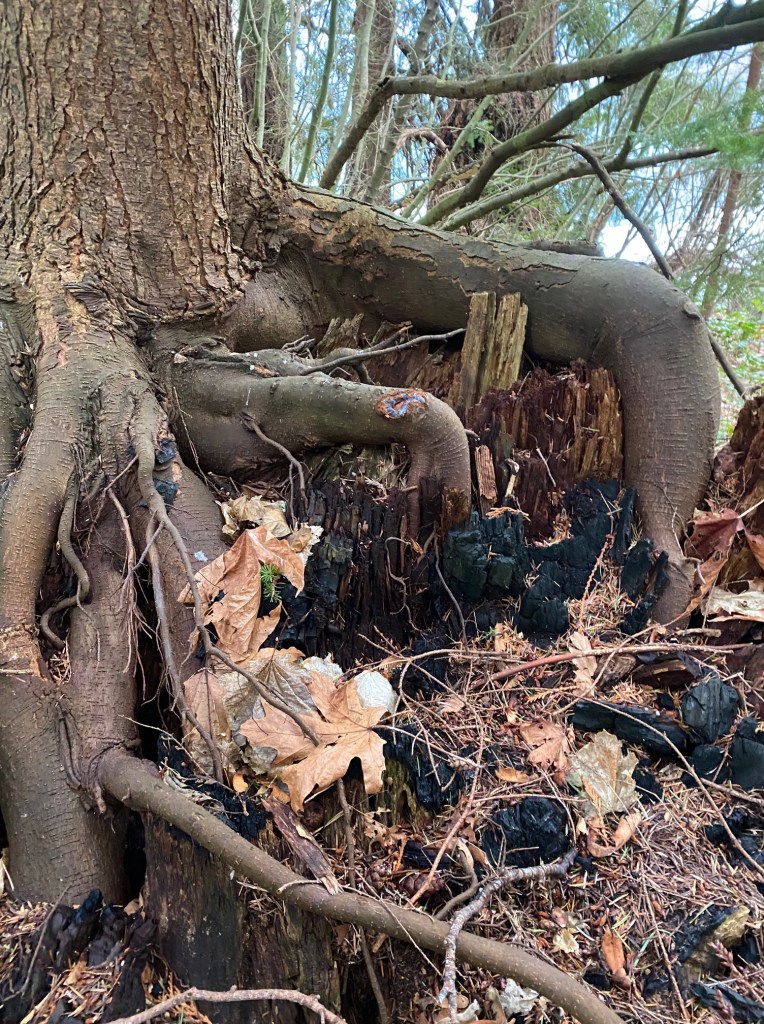
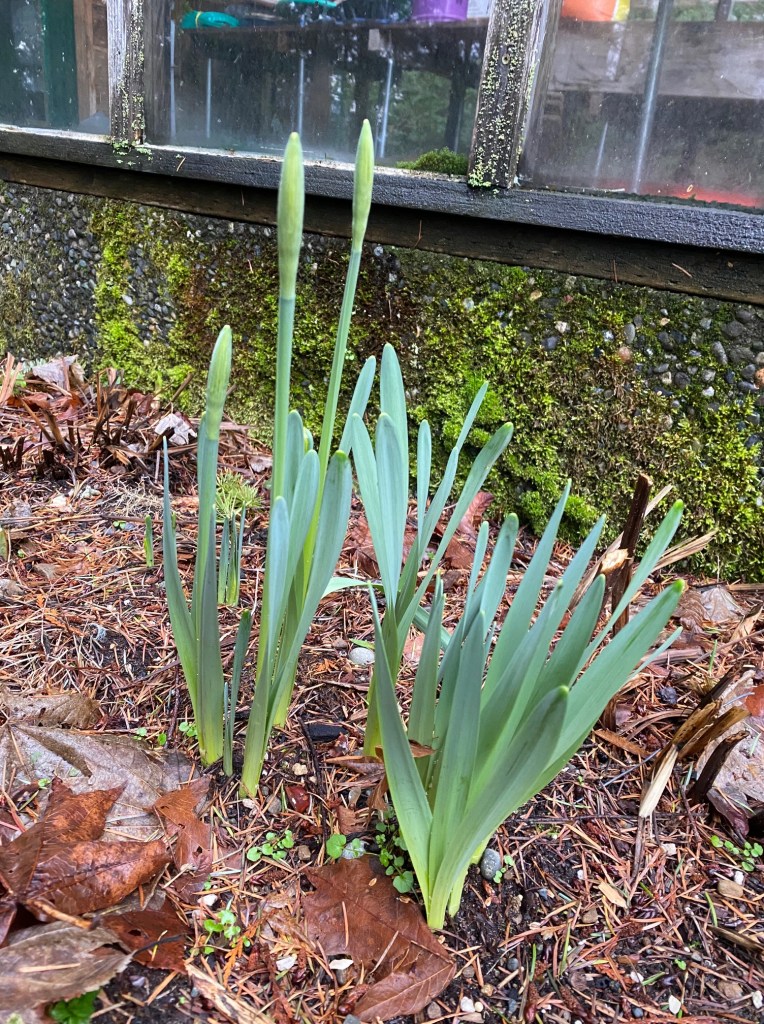
Because I want to “get there” to spring, I comfort myself with Camus’s often quoted  “In the midst of winter, I found there was, within me, an invincible summer.” I make a point of finding life within death in the natural landscape where I am walking.  Decades ago, someone logged the woods where I walk, leaving stumps to die.  But did they die? The stumps continue to decompose from which entwined, serpentine roots of a giant hemlock emerge.   So much for death! Those roots are like a Michelangelo sculpture.  Admiring it, I feel a spring in my step, all the way to the flower border by the greenhouse.  More decomposing leaves and windblown detritus from cedar and pines.  But there, as eagerly  as raised hands, emerge a row of daffodils.  “Oh my!”  I want to worry them back under the leaves, for winter isn’t over yet.  “Don’t jump the gun, young flowers. It is still mid-winter.”  Opposite that flower bed and behind a deer fence is my vegetable garden, frosty and fallow but showing off pink protruding noses of rhubarb.   Spring is undaunted and not far away. We will get there by the signs of the city limits.

And so before returning for morning coffee by the wood stove, I recite Camus’s oft-quoted lines, not only because I spotted OUTSIDE myself the inevitable return of summer in freezing February.  Rather I am engaged with Camus, the man who found WITHIN himself that invincible summer.  Surely, he too could have simply spotted signs of life in death, but he phrases his discovery as one within himself, an act of will.  And it is not just any summer he discovers, but an invincible summer, as if a skirmish had raged before finding summer surviving there on winter’s battleground.  Summer, HIS summer, was invincible.

Here I am marching off to metaphor again, and there is something about my latter years in a world of war and natural disaster when I might be forgiven for raising the white flag of surrender.   But today I find victory in the human will. 

LAWN DAISIES

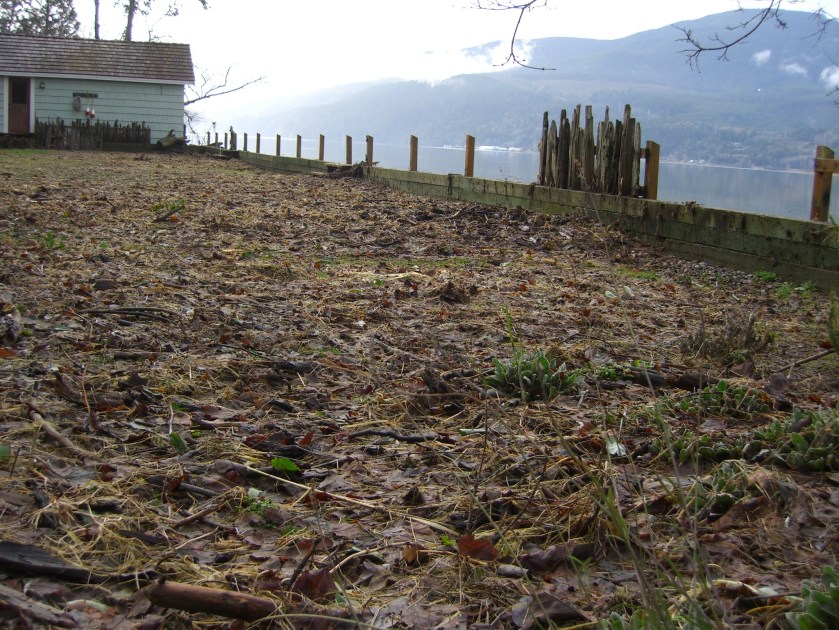
When I am feeling low, to lift my spirits I head for the garden – any garden — my vegetable garden, or this weekend, the square of earth surrounding a dogwood tree that might bloom pink any day now.  Around that tree, wild grasses, forget-me-nots, dandelions and escaped strawberry plants elbow for space around lavender and rosemary, even a large hydrangea we surrounded with seasonal bulbs for daffodils and tulips.  That square is a melting pot of chosen and undesired intruders that all stake their claim on an eight-by-eight-foot square that suffers intrusive saltwater damage in winter when high tides seep over our driftwood fence.

Last weekend, I carried a big orange bucket holding spades and clippers, plopped it alongside the wooden boards that separate the garden from our lawn and dropped to my knees to begin weeding.  My knees sunk into the soil, a rather soft landing that came to meet me in my sorrow.  I had taken with me feelings of despair following recent weeks of gun violence.  Despair would not let go its grip on my helpless heart.  Perhaps, unconsciously, I expected that spading and pulling out those weeds would lift me into hopefulness, the kind of hope that springs from an illusion of control.

How did my mother deal with sorrow? It was always clear when my mother was troubled.  I would find her on her hands and knees scrubbing the kitchen floor.  When she aged and housekeeping challenged her arthritic limbs, I offered to pay for a housekeeper to do that hard scrubbing.  She dismissed the housekeeper after one cleaning, because the woman used a mop at the end of a stick, refusing to get down on hands and knees.  I should have known, however, that the task was never about cleanliness.  It was keening, the kind of rhythmic movement made by Irish women when a death has occurred.   That back and forth, the reaching into corners with sore fingers, the scraping with fingernails a stubborn gooey blob under the kitchen table.  When my parents were not getting along, our kitchen floor was an advertisement for Aero Wax. 

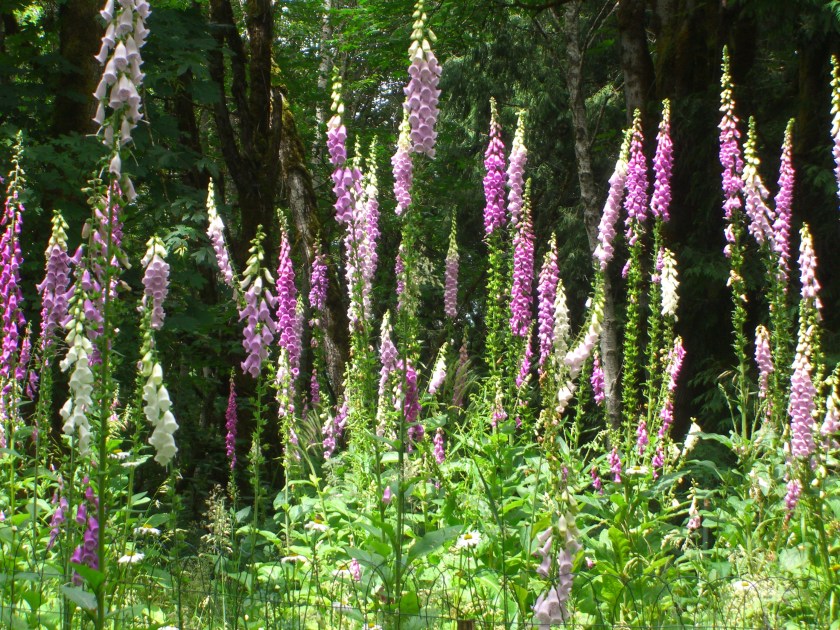
What kind of humility, what kind of praying is the down-on-knees pulling of weeds?  I was not there to rescue the children.  I too was a teacher back when school shooting was so unheard of it would never reach my imagination.  I get down on my knees where I try to discern the weeds from the wildflowers, what to pull out, what to save, because even though self-seeded, the poppies are joyful orange and yellow, the foxglove a vibrant pink, and when clustered, they wave a snappy salute across the lawn. 

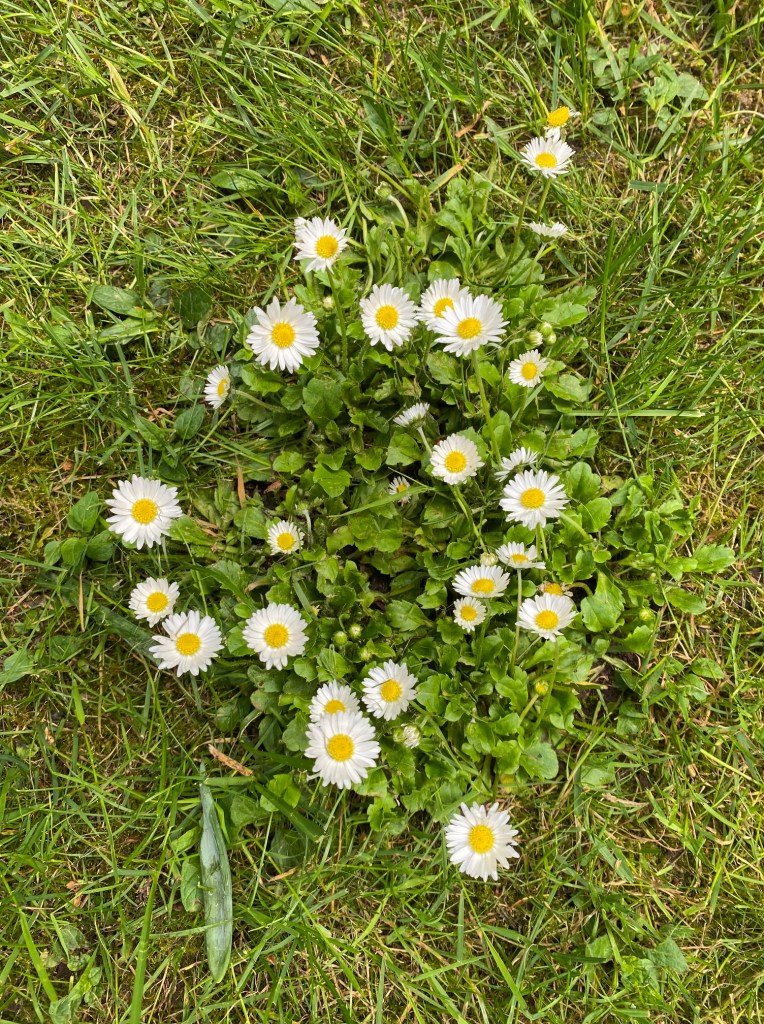
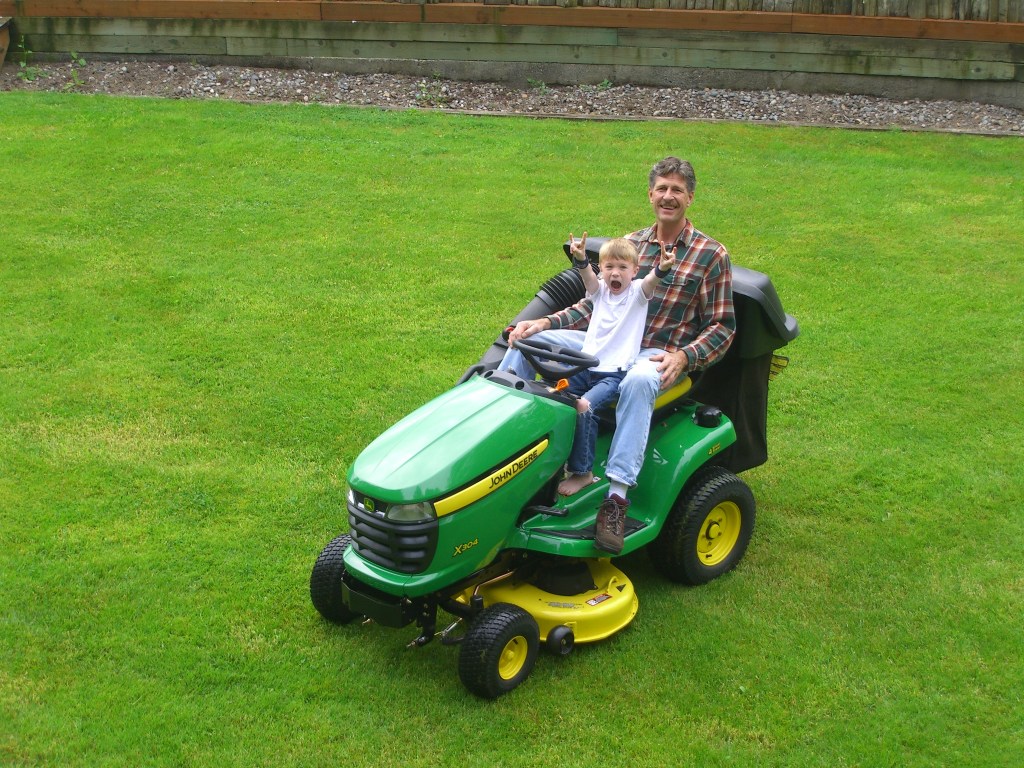
Today, while I am purging my grief with what are becoming sore fingers, I hear the familiar hum of the John Deere lawn mower.  Allan, perched like a prince on a dais, is riding around the yard cutting the rapidly growing grass.  I stop to watch him speeding around in circles or diagonals, clearly enjoying himself, little filaments of green flinging from under his machine.  He is headed toward a patch of small white daisies clustered mid-lawn.  “Lawn daisies,” I called them when I took my grandchildren to the park, and we found them salted across the park lawn.  So many, surely our picking a handful would not diminish their plenty.  We picked and we laced them together, making bracelets for small wrists.  Or we took one separately and plucked away –one white petal at a time, chanting “She/he loves me . . she/he loves me not” until we felt loved or rejected for one moment on a spring day.

Allan and grandson Oscar years ago

I yell at Allan to stop, but he is wearing ear protectors.  I jump up from my weeding and race to the confident green mower just as it bore down on the circle of daisies. 

“Please,” I shout, circling the daisies in a protective dance.  He cannot see me, but understands he is to leave the flowers.  Perhaps they were his weeds in the lawn.  He stops, and the daisies live on now, white and fragile as remembrance.

MID MARCH


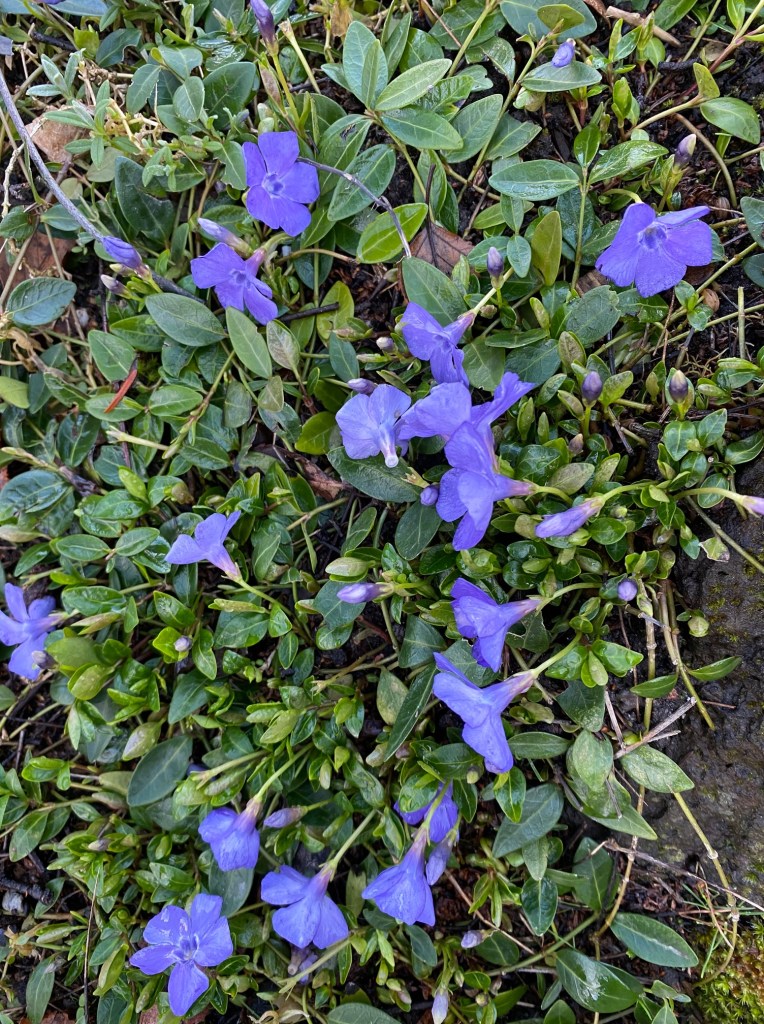
In March I scrape a metal rake down periwinkle hill
lifting off the crisp brown leaves 
that maples dropped in their autumnal parting.
For half a year leaves lay flat like wide brim hats
tossed atop the vinca minor
and would disguise the yearning there
for purple spring.  Such fragile flowers
that want to paint the hill . . . and will
if all the leaves that warmed them winter long
are gone, as a secret reveals itself
after cloaked in silence. 

Early spring is such a stealthy time
a surreptitious mime on mid-March days
when winter would just as soon 
grab us by the collar 
and throw us to the wind.
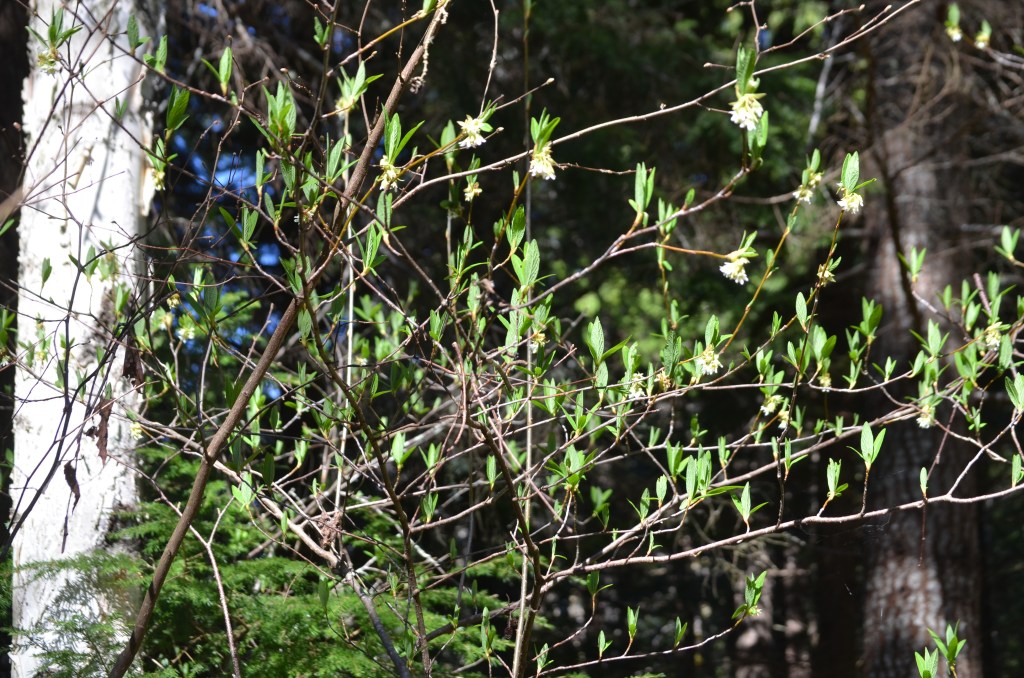
Covert buds cling to wild plums
and we’d be done with chilling rain
if only flowers would return again.
Now ferns want clipping of their drooping fronds
and moss in thick disguise consumes the lawn.
My interventions with rake and shears
may bring spring near, may bring it here
sung closer by frogs beside the pond.  

Mary Kollar
Copyrighted 2022


Wild plum blossoms

Without a Name

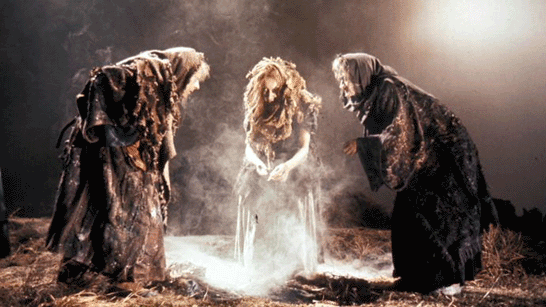
Macbeth:
How now, you secret, black, and midnight hags.
What is't you do?
All:
A deed without a name.

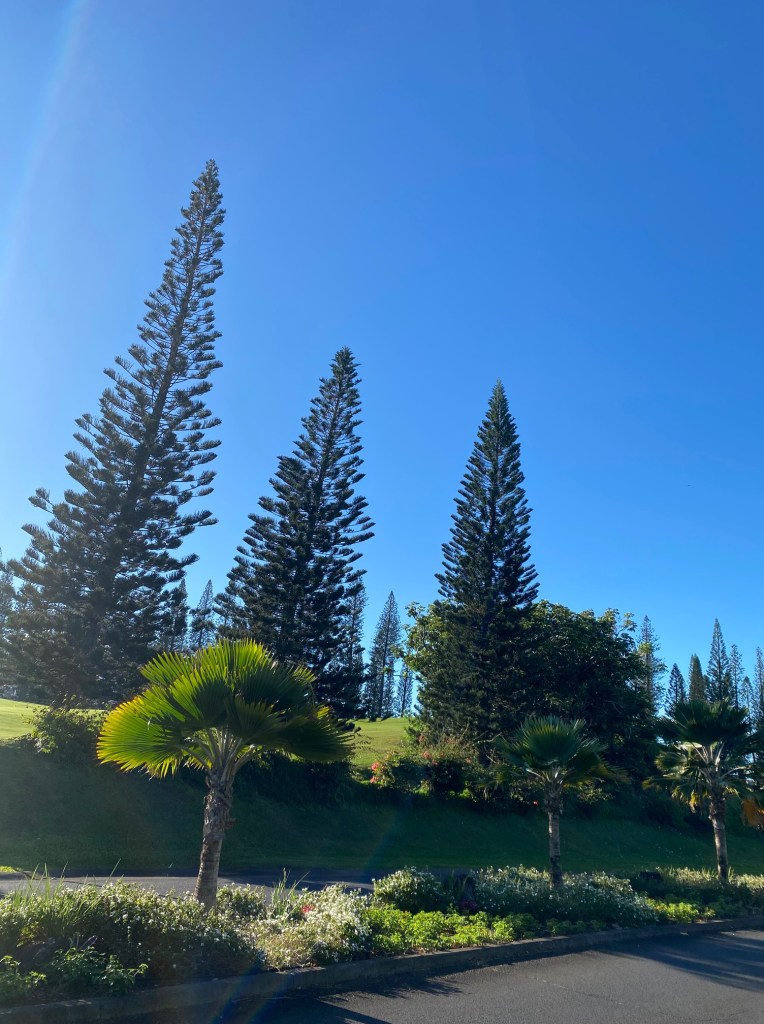
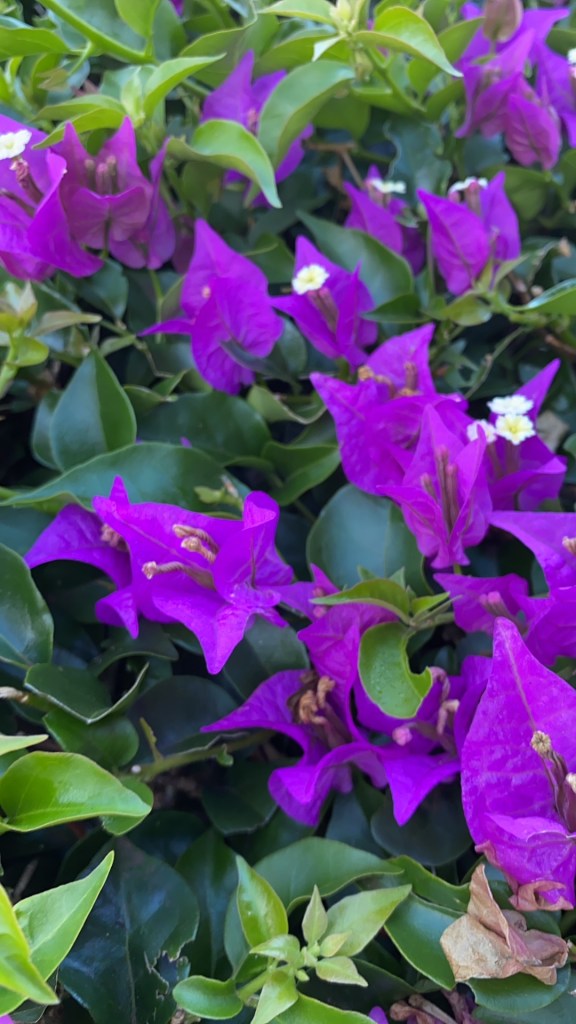
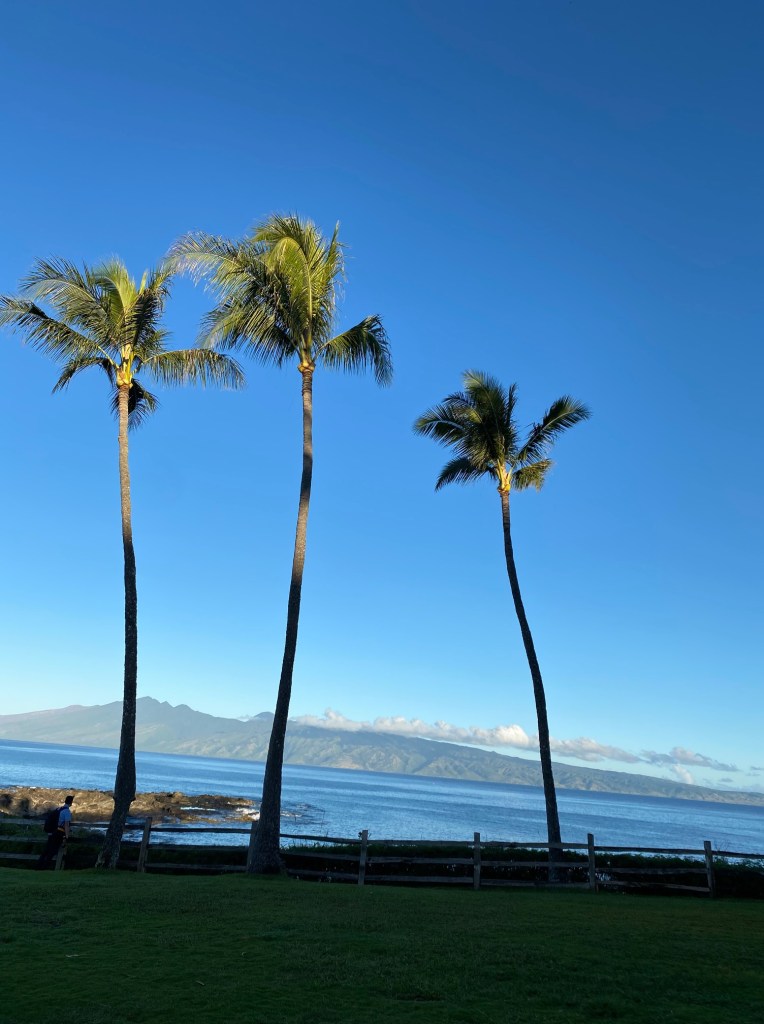
On this morning’s walk from Kahana to Kapalua, I watched the sun rise over tall evergreens lined up between golf courses.  My path followed low hedges with delicate purple flowers, their soft yellow stamens pointing out to the sun.  If I were walking along my road in Washington State, I would be spotting cedars, Douglas firs, spring daffodils, vegetation for which I have a name.  But I knew none of the names of the trees and shrubs I passed on my walk in Maui. 

Was the scene less lovely?  More intriguing because I couldn’t name what I passed?  What echoed in my mind was “without a name.”  Here Shakespeare joined my walk calling up that phrase.  Next followed a quotation from Romeo and Juliet, when the lovers realize their surnames are enemies, and Juliet challenges the feud: “What’s in a name? That which we call a rose/ By any other name would smell as sweet.”

            My fascination with language kicks in with thoughts of naming and being known. When I began my blog, Thoughts After Seventy, I hoped to contemplate that desire to be known.  I had recently attended memorial services where I listened to stories of the departed’s identity.  In the narthex before entering the sanctuary for the service, I passed opened photograph albums covering the deceased’s life from birth to death: schooling, careers, family, travels.  Some memorials included slide shows or short videos, the soundtrack composed of voices and favorite songs from previous decades.  If I didn’t completely know the person before attending the memorial, on leaving I came closer to kinship.  But what is the connection between naming and being known and remembered?

            There is value in namelessness.  The Tomb of the Unknown Soldier would not be embraced by millions of descendants of fallen soldiers if we knew who was buried there. Anonymity allows us all to identify with the pervasive sacrifice of war.  Romeo and Juliet fell intuitively in love until the name issue arose.  Fortunately, their love surpassed the significance of Montague  and Capulet.  However, what about the names Republican or Democrat, Russian, American?  As soon as those names attach themselves to someone, kinship is tempered with judgement.

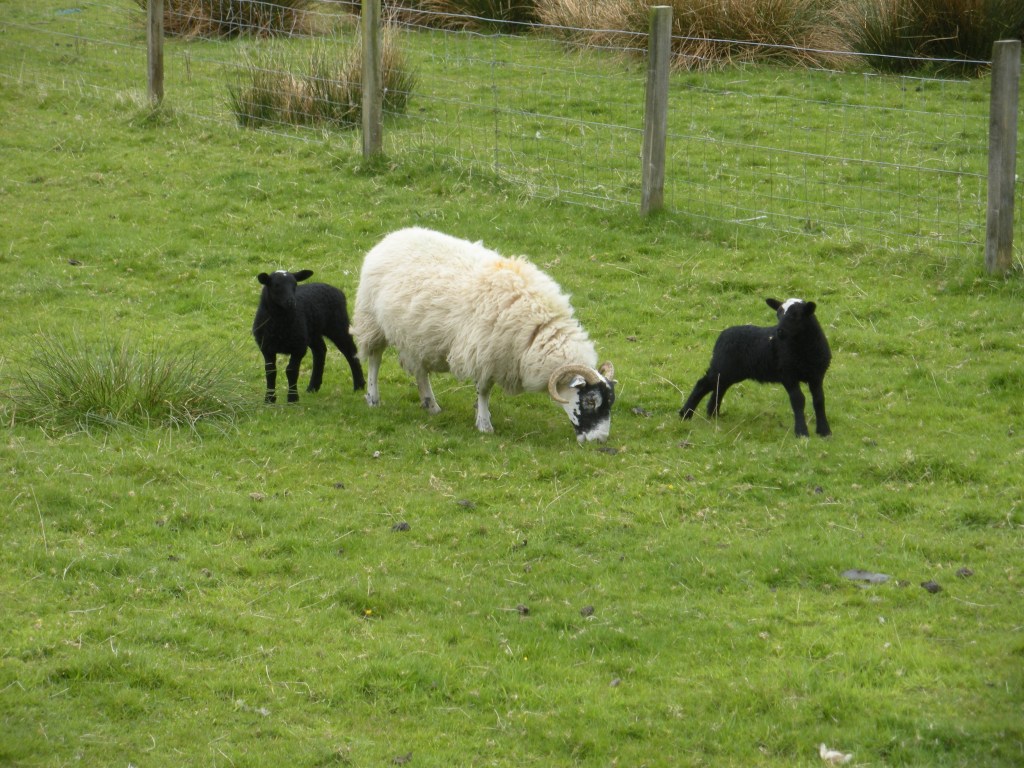
            Catherine is a shepherd whose lambs are sent for lamb chops.  On visiting her farm, and delighting in the frolicking lambs, the first thing we want to know is their names.   “I can’t name them,” she explains.  “If I named them, I couldn’t send them to slaughter.”  At best, they have numbers.  My husband tells a story from his childhood when he had a pet duck his father plucked for a Sunday dinner.  Enjoying the tender meat, Allan asked his mom what it was.  She explained it was duck.  That was tasty, until he learned it was Huey. 

            Is there any doubt why people marching for racial justice chant “Say their names!” followed by a litany of Breonna Taylor, George Floyd . . . ?  Names add sanctity to the cause; they personalize it.   George Floyd is someone we feel we know, and so by extension we can advocate for racial justice in his name.

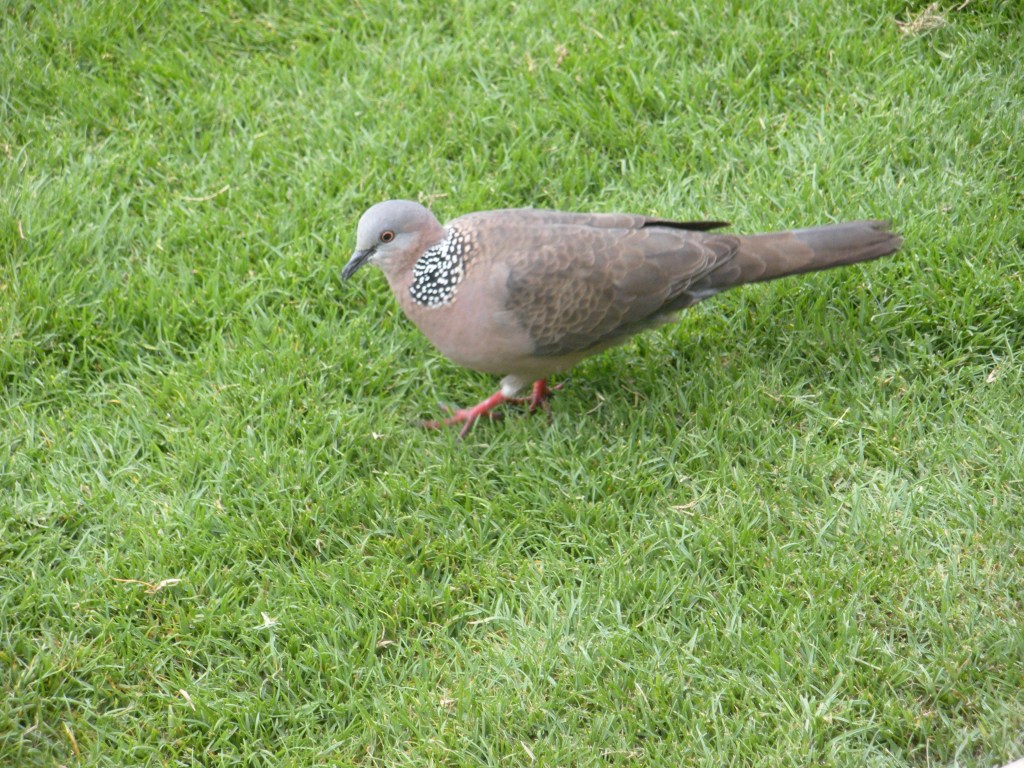
            Back to my Maui morning walk, I feel pulled to know the names of the trees and flowers I admire as I walk along, serenaded by mynah birds and doves.  I have an app on my phone that I can use to photograph a plant, even a leaf, and learn the name and genus of vegetation.  I give in to it.  That delicate purple flowering bush: Lesser Bougainvillea.  Here the language addict in me jumps to ask,  “Why lesser?”  Is there a Greater Bougainvillea?  Without a name, would I enjoy the shrub’s beauty more or less?

            As soon as I returned to my laptop, I searched for “without a name,” adding Shakespeare to my search because I was certain the phrase floated in my ocean of Shakespearianisms.  There I found it in Act IV, Scene 1 of Macbeth.   Macbeth has once again sought out the witches for their prophecy.  They are tossing in their cauldron newts, thumbs of drowned sailors, all sorts of spine-chilling ingredients, when they answer his question:  “A deed without a name.”  Searching further for literary analysis of the speech, I came across an interpretation that reminds us in a Catholic society, a child is sanctified at baptism when he/she is baptized with a name.  No name equaled a destiny that didn’t include heaven.  Thus, to the Elizabethan audience, the namelessness of the witches’ activities would signal their damnation.

            We will continue to embrace naming.  We name children after ancestors that might insure their belonging.  Perhaps we can continue to name with cognition and empathy with what we are naming and why, always considering the community within which the name will exist.  Naming is one of my greatest pleasures, particularly naming a cat.  I could adopt another one just for the pleasure of naming it.  Thus far, we have named two cats after artists:  Toulouse Lautrec and Winslow Homer. Our creative cats have yet to learn to paint, but we have loved them for their purring heritage with those names.


Who Has Seen the Wind?

Who has seen the wind?
Neither I nor you:
But when the leaves hang trembling,
The wind is passing through.
 
Who has seen the wind?
Neither you nor I:
But when the trees bow down their heads,
The wind is passing by.
 
Christina Rossetti

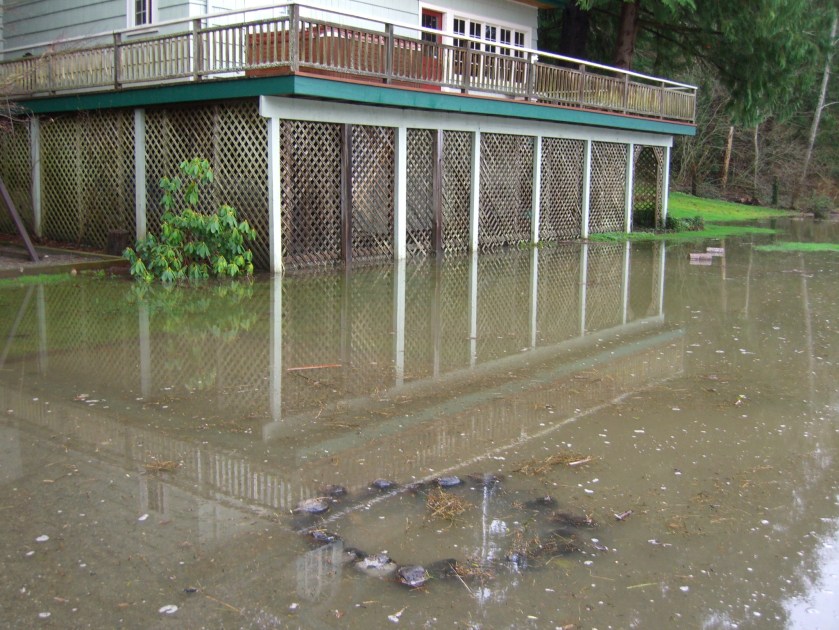
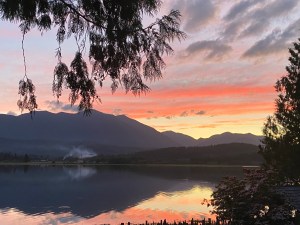
Lines my Victorian-loving father recited to me.   Today, winds waft in from the Southwest forming greedy tongues on the surface of Quilcene Bay.  High tide surges in as if  pushed by an eager parent sending a child on a swing.  Waves carry fallen logs snatched along shorelines, and those logs are cradles rocking recklessly on the incoming tide. If this January tide is high enough, logs will be battering rams to wipe out our driftwood fence, falling each picket like a domino collapsing its neighbor.  Then the waters will laugh through the gaps and surge across the lawn, all the way to our front deck.  In past years, we have looked over the deck’s railing at roiling salt water.  We looked down and held our waiting breath for ebb tide to return.

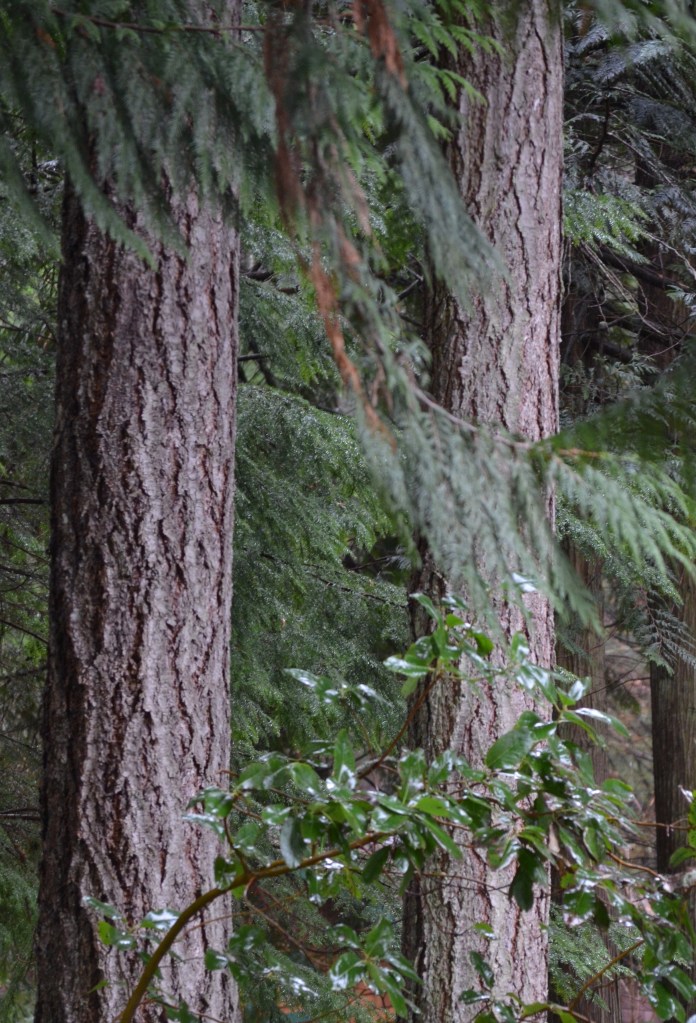
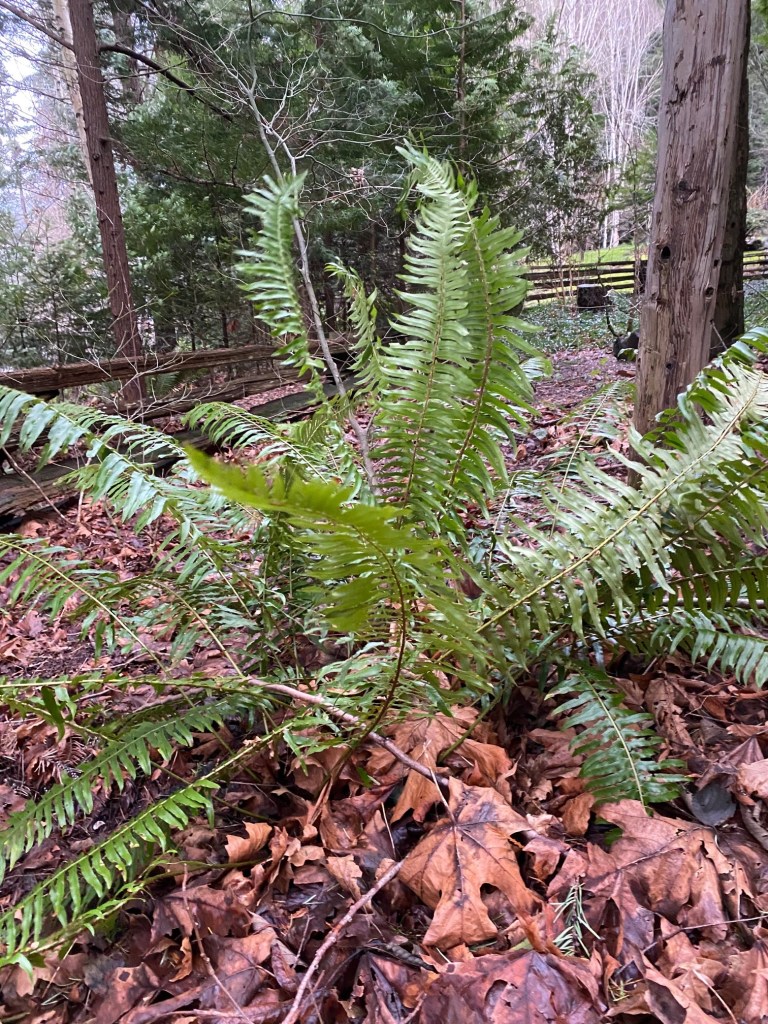
 In the surrounding woods, cedars and Douglas Firs dance as if the band won’t take a break.  Ferns lean over, revealing under fronds like girls who toss their hair over their heads to dry in the sun.  There is no sunshine today.  January 2, 2021 blows in the New Year, and I am celebrating fresh air.  Barring a brittle alder limb crashing over my head as I walk the trails, and ignoring the threat the power could go out in the cabin, I am having fun.

                When my daughter was between three and six-years-old, together we took Windy Day Walks, usually on October afternoons, another gusty month in the Pacific Northwest.  Holding hands and skip-walking among falling leaves and plopping acorn hats, we recited Winnie the Pooh’s winter poem titled, simply, “Pooh’s Poem” in which my little girl played Piglet to my Pooh:

The more it snows, Tiddely Pom
The more it goes, Tiddely Pom 
The more it goes, Tiddely Pom
On snowing.
And nobody knows, Tiddely Pom
How cold my toes, Tiddely Pom
                      Are growing.                         

My daughter was always on cue with her tiddely poms increasing with exuberance as if we were a pas de deux.  I confess that I devised the game to encourage us to get exercise on a windy day.  She might have enjoyed more to stay indoors with Sesame Street.  Poetry, a line and refrain, kept one skipping foot ahead of another until we were around a half dozen blocks and back home sipping tea.  

     “Who can see the wind / neither you nor I. ” Yes, unseen forces inspire  our imagination.  Today’s wind is the brushwork of the creative God, reminding me on this second day of a New Year the immensity of forces surrounding me.  I am never alone in the woods or on the waters.  I might as well have fun and inhale all the fresh air of a New Year.

Raking Leaves in the Wind

IMG_2671

What is more ludicrous than raking leaves on a windy day? Yet when you feel like testing your power against the world, it is a perfect activity, therapeutic, in fact, especially for those of us who mistakenly think they should be in control of life.  This morning, our usual pre-breakfast walk around the property takes us to a bench above the pond.  There we sit to look down on the pond’s surface, last week covered with the slimy vestiges of duck weed that I skimmed off,  but today littered with a confetti of yellow birch leaves as if all of the trees were celebrating the Biden victory and decided to shake themselves silly with joy.  The pond accepts it all, summer or fall, duck weed or autumn leaves.  I have a difficult time looking at Nature without seeing a metaphor in the whole experience.  Could scooping duck weed or raking leaves around the pond teach me how better to live my life? 

Today the wind has been bellowing down from the north, but the sky and bay are so crystal blue, no self-respecting Northwesterner would stay inside.  After all, any day now the rain will return.  So up the hill to the greenhouse I go in my rubber boots to fetch a metal rake and the wheelbarrow.  I wedge the rusty wheelbarrow the best I can through the barn door while the wind slaps the door back in my face as if it knows two hours of raking leaves around the pond will be futile.   

Do we ever do anything from pure reason?  Every act has its collateral experiences.  Raking leaves against a spirited wind allows me to feel my muscles, the pull on my left elbow, the stretch around my ribs as I bend to scoop up piles of crisp yellow and brown leaves.  I will not have to go inside for physical therapy today.  The cold wind fills my lungs with the freshest air.  Leaning on my rake for a moment of gratitude, I realize that only a month back, standing on this same place, I choked on smoke from wildfires in Oregon.  I will never take for granted the pure, cedar-laced air of the Pacific Northwest.  And so,  I draw a swath of leaves to me, turn to the right and repeat until I am circled with leafy dikes that shed their top leaves with each new gust of wind.  Pull, pile, pause, and watch the top few flee as if back to the birches from which they came.  

Acceptance is another virtue that needs restoring.  See the leaves rise from my pile, lift into the air, settle down back in the middle of the pond where my rake will not reach them.  Acceptance is much like resignation, unless you play with it.  I pause to admire how lovely the one or two yellow leaves float in a little whirlpool in the middle of the pond. If keeping the pond clear was what motivated my raking,  I lost on that leaf pile, but how easy to turn a loss into a win for aesthetics’ sake. 

All the senses surround leaf raking.  The sound of the soft scratching the rake makes across the mossy grass.   Gratitude again.  I could have asked my husband to bring out his heavy gas-powered leaf blower and roar clean all around the pond, even releasing those stubborn leaves strangled by heather plants.  I didn’t ask him.  I hate the arrogance of leaf blowers, the angriest of tools.  That soft scratching of rake on yard, even on sidewalk, although a bit like nails on a chalkboard, evokes memories.  

I have lived long enough to recall TBLF, Time Before Leaf Blowers, when you could judge the distance of your neighbor on a Saturday afternoon by how within earshot the soft scratch of rakes, a scratch that must feel good on the grass, for it perks up to an erect green until the next tree sheds.  There is an airy, fluffy sound when the person raking swoops up a pile, one armful atop another.  

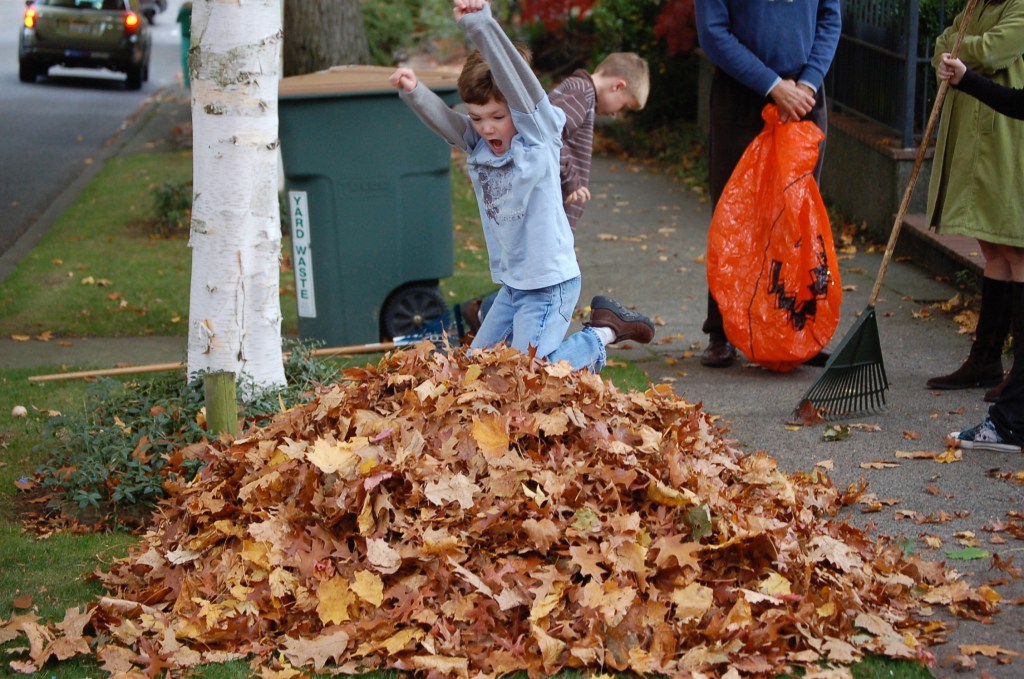
When I was a child, I waited at the end of the drive until my father had a handsome edifice of leaves.  

Then in the most self-sacrificing parental affection, he would let me take a hardy run down the driveway until I leapt full-body into the pile, scattering what must have been an hour’s work for him.  No wind can destroy a pile of leaves as does an autumn-loving child.  When we had completed raking and jumping enough times to exhaust me, I returned to the house, leafmeal sticking to my corduroys, the fragrance of leaf dust in my nose.  Then Dad would take the well-used pile to the corner of the drive where it met the street, would stoop down with his cigar lighter and ignite the whole pile until it diminished to ash.  The smell of burning leaves was intoxicating generations before I associated its kinship to the aroma of someone smoking marijuana. Yes, in the ‘40’s and 50’s composting succumbed to air pollution.

Today, four excursions of a full-brimmed wheelbarrowing to the compost pile left me ready to return to the cottage and the wood stove.   Once inside, my wind-blushed face felt taut and young.  I let Metaphor speak to me and here it is. As the presidential election approached, the weeks became increasingly tense.  No, that is not true. Not the weeks, but I had been increasingly tense.  Before this election, I felt as helpless as dry leaves tossed in the wind.  I had done what I could, working on encouraging other Americans to vote and voting myself.  Was I raking leaves against a wind?  Many of us feel as if we have been doing so for many years.  Perhaps that is why it feels so good literally to rake those leaves, relieving anxiety I have felt for myself, my family and for our nation.  I accept the metaphor of the task.  I accept the reality that I will never clear away all the fallen leaves from the pond’s perimeter.   

OWNING

Raven pulls the sun down

after tribal boats 

churn away from the shore

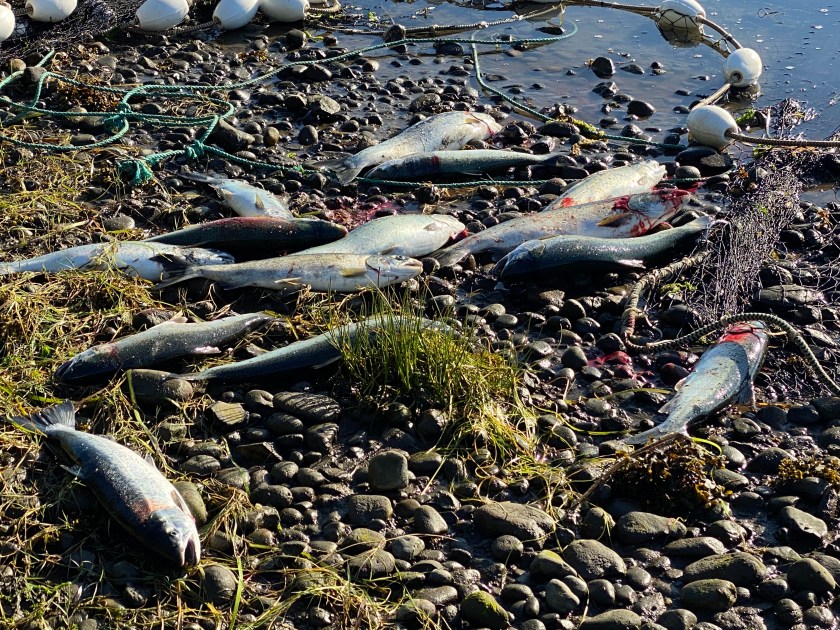
Nets descend with frantic fish

shivering in their interrupted search

for rivers from which they came

So close a destination

felt in fins and swim bladders

for remembered homes

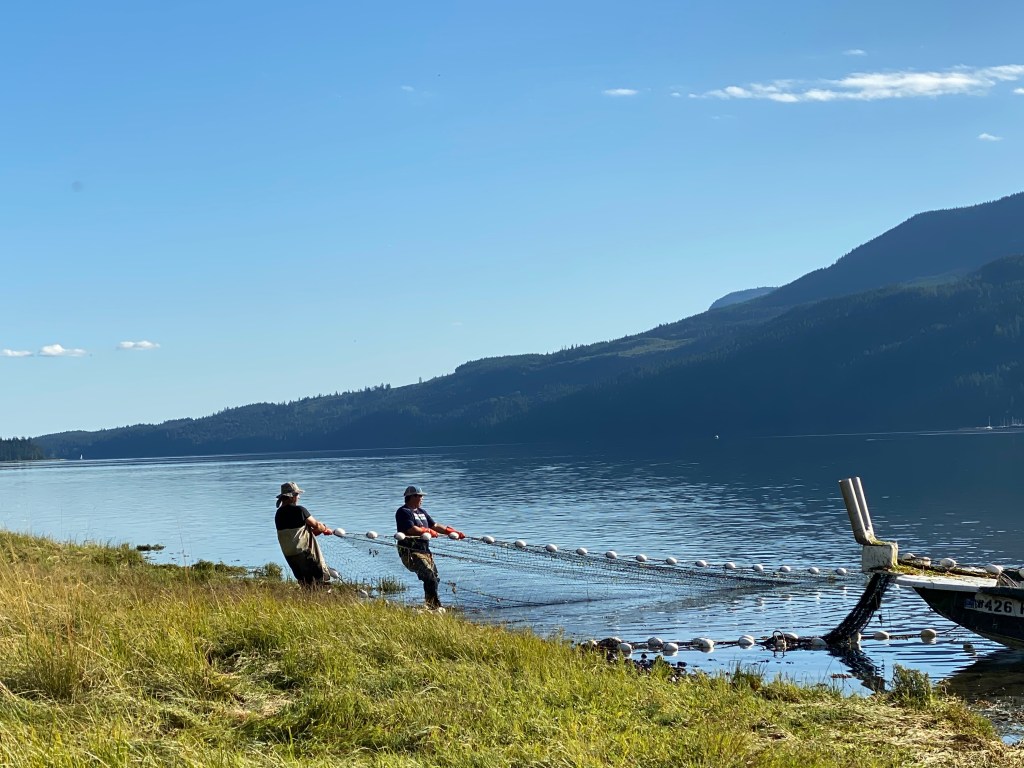
Fishermen, father and son 

from the Suquamish,

arch forward with heavy nets

Then fall back in strained pulling

upon shorelines feathered with eel 

grass we chose not to mow.

When this property could not be owned,

any more than possessing the sun,

was this shore their home?

Raven repeats a shared song

lends its image to rattles

shaking in dances with drums

Gulls shriek tossing ragged wings

even after a white sun slips

behind purple hills

Everything here wants 

its share of the salmon 

like relics sacred as bones.

Mary Kollar

2020

The Truth of Consequence


Unknown-1

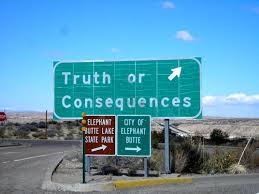
          Truth or Consequences is not only a desert location in New Mexico, it was also  a popular game show that bridged radio to television years from 1940 to the early 1980’s.  The object of the game was to discern which guests told the truth about some life experience.  Guess right and the consequences were a win.  Guess wrong and you were a loser.  Seems right in line with our polarized either/or world; however, I want to depart from those extremes and think about the truth OF consequences.

            Here I am at our Quilcene cottage in late August harvest time .  The romaine in my garden lines up like a green battalion of soldiers.  In parallel lines — arugula, carrots and beets. IMG_0880 All are ready to eat NOW, but we can’t consume it all, and neighbors graciously accept  only enough for a salad or two.  As you sow, so shall you reap.  Did I over-sow?  With minimal reading of seed packets, I should have planted sequentially, a few seeds each subsequent week,  and prepared for a staged harvest (consequences).  About a dozen years ago, I bought a small one-gallon size fig tree and planted it in the middle of our little orchard where a pear tree had failed.  Yesterday we drove up and down East Quilcene Road with buckets of figs for neighbors we hoped would accept some.  Luckily, Scott and Susan have a food drier and accepted the load.  How could I ever have imagined that little potted fig would produce so many?  Neighbor Raj calls figs “the fruit of the gods.”  Funny that we live at the foot of Mt. Olympus, because our fig harvest this year could supply a bacchanalia for every god from wood nymph to Zeus.  IMG_0883Some consequences we should/could have foreseen.  Others resulted without possible foresight.
            Similarly, What goes around comes around.  That expression is a first cousin to the sowing  maxim.  It connotes consequences like just deserts. Parents admonish children that their actions, if ill considered, could ricochet, causing them harm. Punch the neighbor child, and that kid may grow up taller and stronger and seek revenge. We relish such consequences when we root for an underdog.  There is always a dog in there somewhere, and it may grow up to bite back. IMG_0809 These are the consequences of justice.  Such ironic justice explains the popularity of mysteries.  it is satisfying to see the criminal in irons, even more so if, as Hamlet plots revenge on Claudius, the miscreant is “hoisted by his own petard.”  
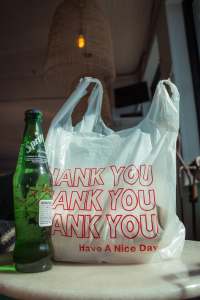
            Although not always anticipated, consequences can be as pleasant and circumstantial as tying a child’s shoe prevents stumbling.  May I assume that you too want the consequences of your choices to be favorable?  Last week I stood in line to check out groceries at the local Safeway. I chose the shortest line, only one customer ahead of me.  You can see what comes next.  Murphy’s Law: the adjacent check-out line with four customers moved faster than mine.  Ahead of me was a man of my age (elderly) in a large, motorized wheelchair.  His shopping cart brimmed with purchases he handed, as best he could, one-by-one to the clerk.  As he sought his food coupons to pay for his purchases, I watched as one-by-one some of his items were set aside to be returned to shelves.  My heart hurt.  He could not afford to buy the chicken, the slices of ham, primarily the more expensive groceries.  I could buy these for him, but I also didn’t want to insult the man with an offer that might look like charity.  Nonetheless, I knew the consequences for me if I failed to speak.  “Excuse me, sir.  I see you don’t have enough money with you today to cover everything.  Would you please let me pay?”

            He smiled and accepted: “Thank you,” he said. “Thank you for paying it forward.”photo-1563694732713-2309ade7a54e

I hadn’t heard that phrase in a while, but his gracious acceptance drew me into community with him.

            “I try to pay it forward too,” he continued.  “I served in the military, and that was me paying it forward.” As I walked home laden with my own groceries, they felt lighter, the way happiness diminishes weight.

            This past week the Democrats held their national convention.  This coming week the Republicans will nominate their choices.  There isn’t a voter in this country who should fail to think of the consequences of voting.  Whether in local or national elections there will be consequences, and that is the TRUTH with which we will live.

IMG_0803

Frog Blog


IMG_0692

I thought I had lost my hearing aid while scooting down the hill above the pond where I was weeding .  Later, I returned, my eyes focused for little things among the dense ferns.  There I noticed a spotted stone that seemed to breathe . A frog, motionless and likely aware of me long before I saw its pulsing, crouching disguise.  Unlike the robins and swallows that flutter away when I raise my camera, the frog remained for six shots before I continued edging down the hill, when it leapt away to the still waters below us. Splash!

Six shots.  I am back six decades.  I am fourteen-years-old, spending a week with a friend on the beach at Onset, by Cape Cod.  Marsha walks with boys in her wake, and I am eager for the overflow — one boy in particular, a ringer for James Dean.  images-1Summer nights we drive with the guys to cranberry bogs where the boys take.22 gage rifles from the car’s trunk and aim them out toward the bogs where frogs have stilled their songs.  Then the guns fire, the shooters gleefully enjoying the sight of frog parts exploding among the cranberries.  Easy, fear-frozen targets for reckless teenagers. 
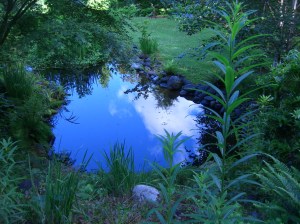
I have not met anyone my age who doesn’t carry remorse for acts committed in thoughtless youth.  And although I didn’t fire a gun, I witnessed without reprimand.  Of all scenes collected in my memory there are few more vivid – the humid, salt-laden air rising with a fragrance amidst violence.  My eagerness to blend in where I sensed I did not belong.

CIMG1708.JPGHere in the Pacific Northwest, in March, Nature’s early promise of spring comes with frog song from the pond and surrounding woods.  Weeks before robins, chickadees and violet-green swallows take up their warbling sopranos, the bass line is sung by frogs caroling for potential mates from misty dawn until dusk.

Is it a coincidence that fairy tales have frogs turning into princes – princes into frogs? Potential for love abounds.

This spring is a moment in history to reconsider our world view.   We are sequestered in our close environments with an invitation and time to consider the smallest and largest of things.  We can watch and listen to the way our world is singing our seasons along.

Who else is wearing “unnoticeable” camouflage, aware that to be seen can threaten their existence?  IMG_6391How can we value those songs we take for granted, knowing they are not our own, but somewhere around us in the vernal woods and waters that we treasure?
By the way, I found the lost hearing aid when I was dusting behind the couch in the cottage.  I don’t regret having searched outdoors.   Looking for something small, I found within myself, something large.


IMG_0702