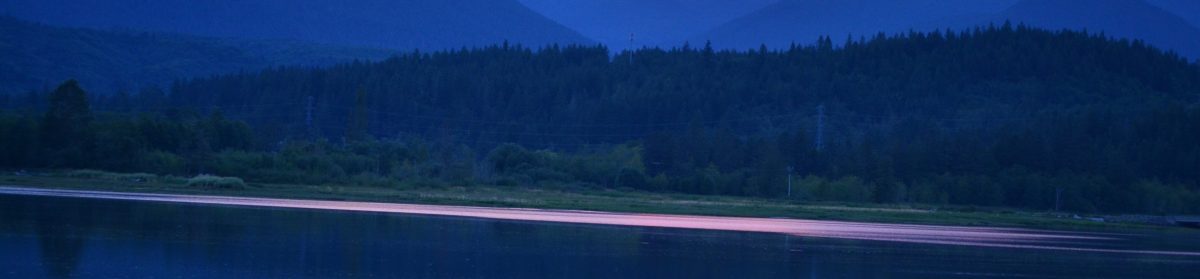
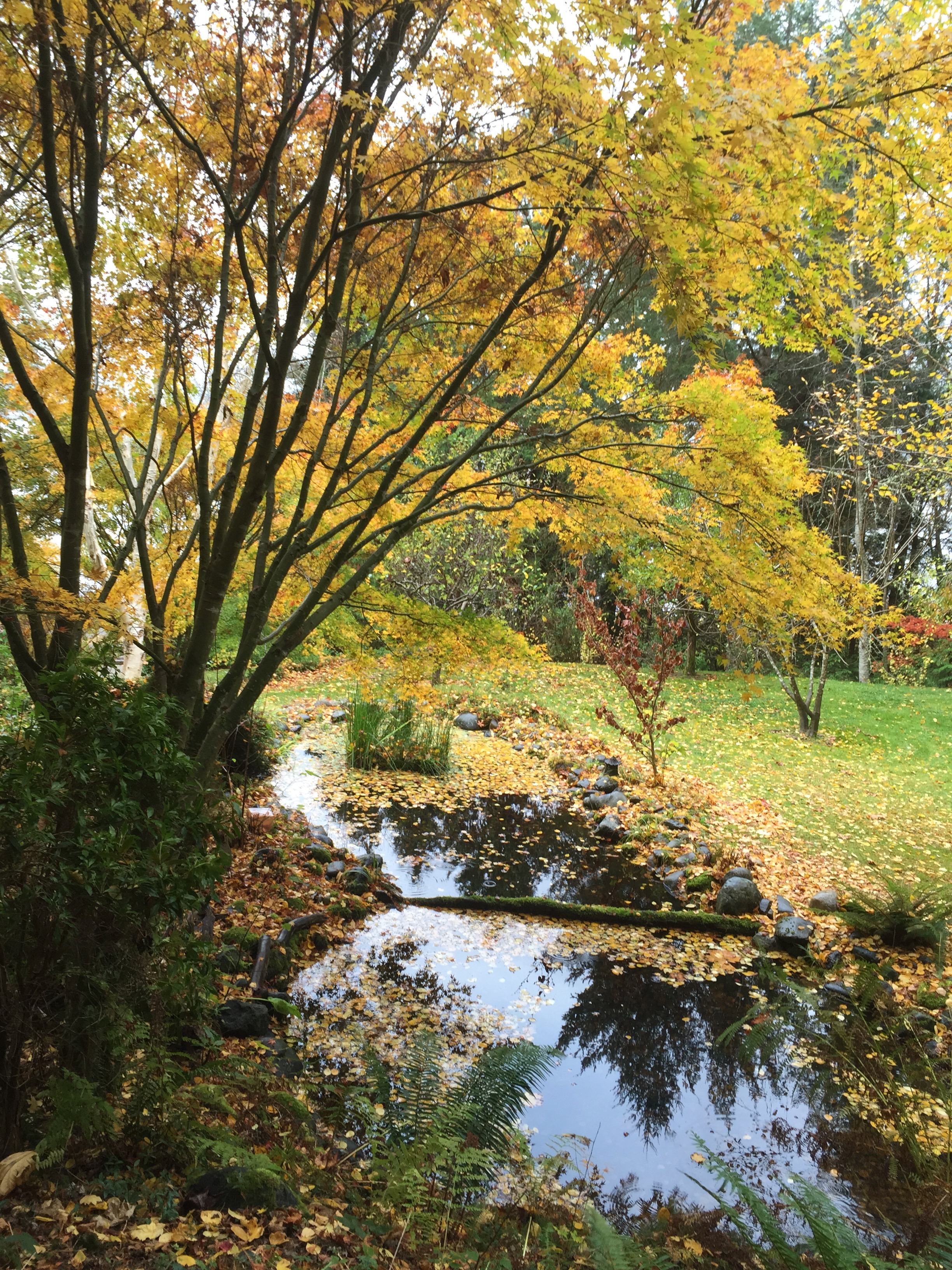
What is more ludicrous than raking leaves on a windy day? Yet when you feel like testing your power against the world, it is a perfect activity, therapeutic, in fact, especially for those of us who mistakenly think they should be in control of life. This morning, our usual pre-breakfast walk around the property takes us to a bench above the pond. There we sit to look down on the pond’s surface, last week covered with the slimy vestiges of duck weed that I skimmed off, but today littered with a confetti of yellow birch leaves as if all of the trees were celebrating the Biden victory and decided to shake themselves silly with joy. The pond accepts it all, summer or fall, duck weed or autumn leaves. I have a difficult time looking at Nature without seeing a metaphor in the whole experience. Could scooping duck weed or raking leaves around the pond teach me how better to live my life?
Today the wind has been bellowing down from the north, but the sky and bay are so crystal blue, no self-respecting Northwesterner would stay inside. After all, any day now the rain will return. So up the hill to the greenhouse I go in my rubber boots to fetch a metal rake and the wheelbarrow. I wedge the rusty wheelbarrow the best I can through the barn door while the wind slaps the door back in my face as if it knows two hours of raking leaves around the pond will be futile.
Do we ever do anything from pure reason? Every act has its collateral experiences. Raking leaves against a spirited wind allows me to feel my muscles, the pull on my left elbow, the stretch around my ribs as I bend to scoop up piles of crisp yellow and brown leaves. I will not have to go inside for physical therapy today. The cold wind fills my lungs with the freshest air. Leaning on my rake for a moment of gratitude, I realize that only a month back, standing on this same place, I choked on smoke from wildfires in Oregon. I will never take for granted the pure, cedar-laced air of the Pacific Northwest. And so, I draw a swath of leaves to me, turn to the right and repeat until I am circled with leafy dikes that shed their top leaves with each new gust of wind. Pull, pile, pause, and watch the top few flee as if back to the birches from which they came.

Acceptance is another virtue that needs restoring. See the leaves rise from my pile, lift into the air, settle down back in the middle of the pond where my rake will not reach them. Acceptance is much like resignation, unless you play with it. I pause to admire how lovely the one or two yellow leaves float in a little whirlpool in the middle of the pond. If keeping the pond clear was what motivated my raking, I lost on that leaf pile, but how easy to turn a loss into a win for aesthetics’ sake.
All the senses surround leaf raking. The sound of the soft scratching the rake makes across the mossy grass. Gratitude again. I could have asked my husband to bring out his heavy gas-powered leaf blower and roar clean all around the pond, even releasing those stubborn leaves strangled by heather plants. I didn’t ask him. I hate the arrogance of leaf blowers, the angriest of tools. That soft scratching of rake on yard, even on sidewalk, although a bit like nails on a chalkboard, evokes memories.
I have lived long enough to recall TBLF, Time Before Leaf Blowers, when you could judge the distance of your neighbor on a Saturday afternoon by how within earshot the soft scratch of rakes, a scratch that must feel good on the grass, for it perks up to an erect green until the next tree sheds. There is an airy, fluffy sound when the person raking swoops up a pile, one armful atop another.
When I was a child, I waited at the end of the drive until my father had a handsome edifice of leaves.
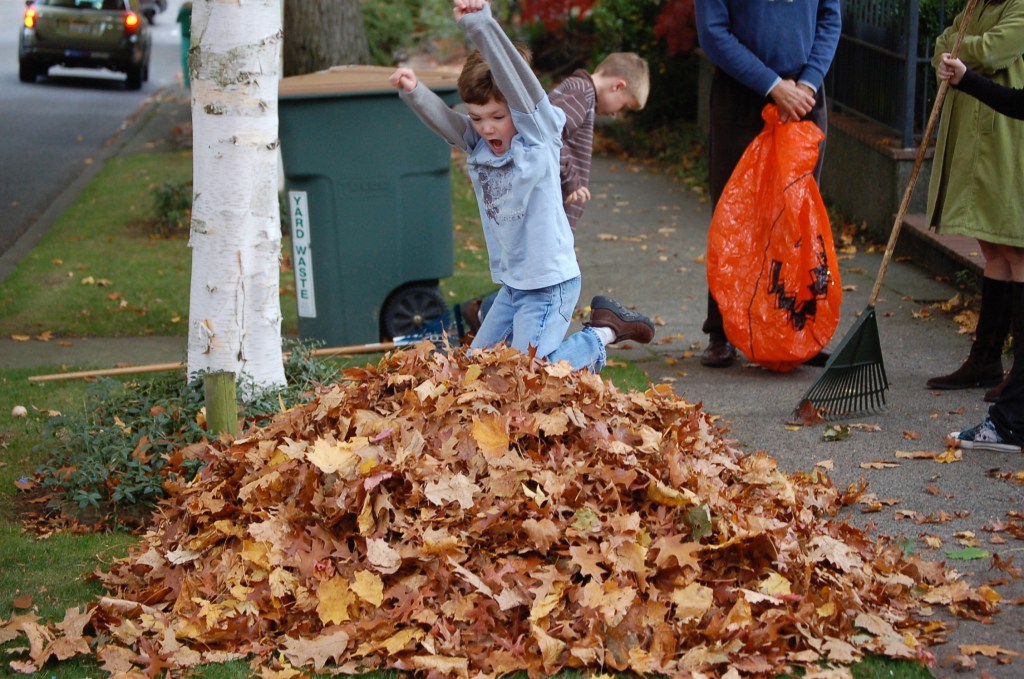
Then in the most self-sacrificing parental affection, he would let me take a hardy run down the driveway until I leapt full-body into the pile, scattering what must have been an hour’s work for him. No wind can destroy a pile of leaves as does an autumn-loving child. When we had completed raking and jumping enough times to exhaust me, I returned to the house, leafmeal sticking to my corduroys, the fragrance of leaf dust in my nose. Then Dad would take the well-used pile to the corner of the drive where it met the street, would stoop down with his cigar lighter and ignite the whole pile until it diminished to ash. The smell of burning leaves was intoxicating generations before I associated its kinship to the aroma of someone smoking marijuana. Yes, in the ‘40’s and 50’s composting succumbed to air pollution.
Today, four excursions of a full-brimmed wheelbarrowing to the compost pile left me ready to return to the cottage and the wood stove. Once inside, my wind-blushed face felt taut and young. I let Metaphor speak to me and here it is. As the presidential election approached, the weeks became increasingly tense. No, that is not true. Not the weeks, but I had been increasingly tense. Before this election, I felt as helpless as dry leaves tossed in the wind. I had done what I could, working on encouraging other Americans to vote and voting myself. Was I raking leaves against a wind? Many of us feel as if we have been doing so for many years. Perhaps that is why it feels so good literally to rake those leaves, relieving anxiety I have felt for myself, my family and for our nation. I accept the metaphor of the task. I accept the reality that I will never clear away all the fallen leaves from the pond’s perimeter.

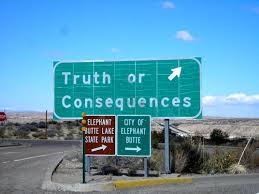
 All are ready to eat NOW, but we can’t consume it all, and neighbors graciously accept only enough for a salad or two. As you sow, so shall you reap. Did I over-sow? With minimal reading of seed packets, I should have planted sequentially, a few seeds each subsequent week, and prepared for a staged harvest (consequences). About a dozen years ago, I bought a small one-gallon size fig tree and planted it in the middle of our little orchard where a pear tree had failed. Yesterday we drove up and down East Quilcene Road with buckets of figs for neighbors we hoped would accept some. Luckily, Scott and Susan have a food drier and accepted the load. How could I ever have imagined that little potted fig would produce so many? Neighbor Raj calls figs “the fruit of the gods.” Funny that we live at the foot of Mt. Olympus, because our fig harvest this year could supply a bacchanalia for every god from wood nymph to Zeus.
  Some consequences we should/could have foreseen. Others resulted without possible foresight.
 These are the consequences of justice. Such ironic justice explains the popularity of mysteries. it is satisfying to see the criminal in irons, even more so if, as Hamlet plots revenge on Claudius, the miscreant is “hoisted by his own petard.”
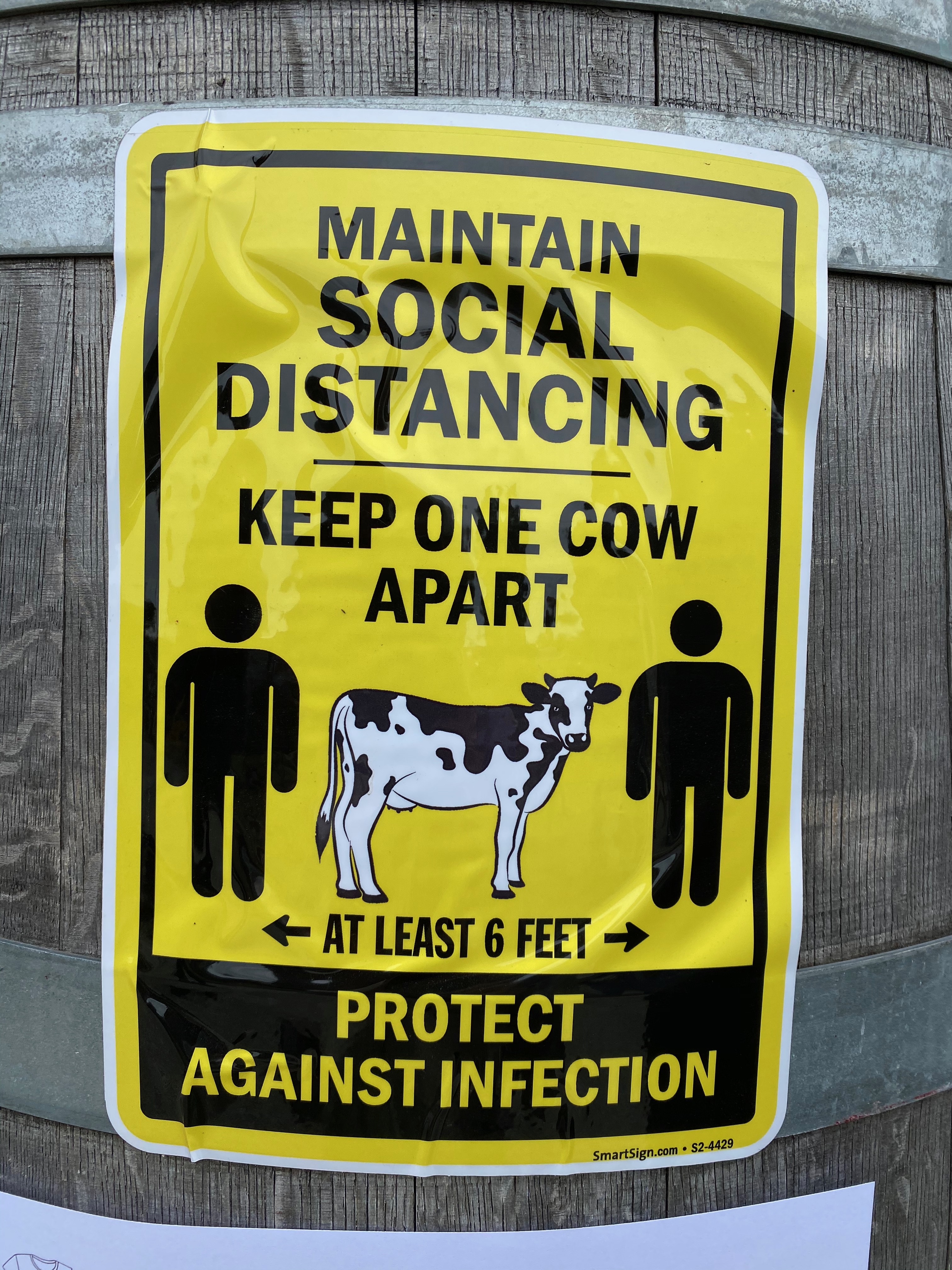
 After washing our hands at the soap pump – local, home-brewed soap –our invitation was checked off at the entrance by a friendly masked host who ushered us to our sanitized table.
 Perhaps not so, if you don’t happen to like your governor, or the governor belongs to a political party with which you don’t identify. Sad, but true, communicating emergencies connotes urgency depending on who sends out the warning. Hard to think if we get the next big earthquake and warnings come from your unpopular government official so you stay exposed to falling structures. Perhaps the shaking ground will prompt people to safety.
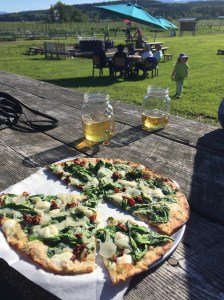 There I was enjoying my veggie pizza and Apple Oak Cider while envisioning a heifer between my friend Kathryn and me.
![IMG_0779[1]](https://thoughtsafterseventy.com/wp-content/uploads/2020/07/img_07791.jpg?w=224) My imagination is engaged. I can feel a bull’s snorting breath on my derriere. Had I been inclined to take a shortcut through the rancher’s field, I dismiss the notion with a laugh.
My imagination is engaged. I can feel a bull’s snorting breath on my derriere. Had I been inclined to take a shortcut through the rancher’s field, I dismiss the notion with a laugh.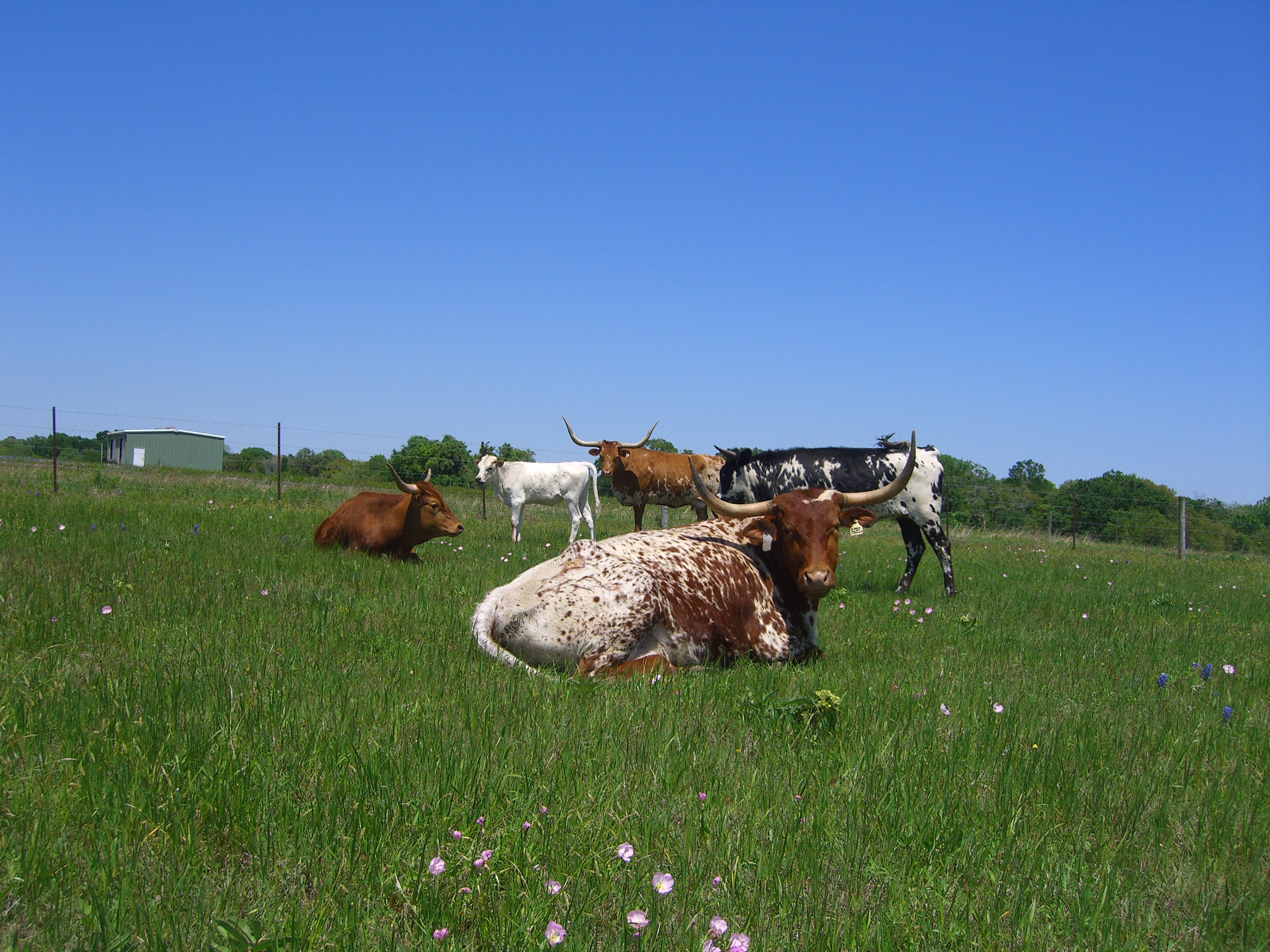

 Summer nights we drive with the guys to cranberry bogs where the boys take.22 gage rifles from the car’s trunk and aim them out toward the bogs where frogs have stilled their songs. Then the guns fire, the shooters gleefully enjoying the sight of frog parts exploding among the cranberries. Easy, fear-frozen targets for reckless teenagers.
 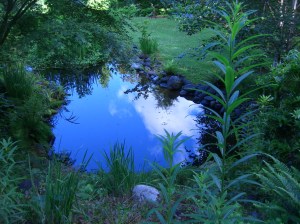 Here in the Pacific Northwest, in March, Nature’s early promise of spring comes with frog song from the pond and surrounding woods. Weeks before robins, chickadees and violet-green swallows take up their warbling sopranos, the bass line is sung by frogs caroling for potential mates from misty dawn until dusk.
 How can we value those songs we take for granted, knowing they are not our own, but somewhere around us in the vernal woods and waters that we treasure?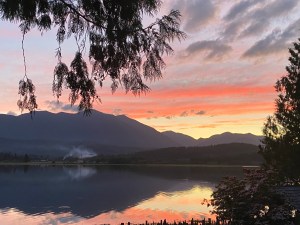
![IMG_0423[1]](https://thoughtsafterseventy.com/wp-content/uploads/2020/05/img_04231.jpg?w=764) Peter Pan met Wendy when he came to ask her to sew his shadow back in place, having lost it when escaping through a window that closed, separating himself from his other half.
Peter Pan met Wendy when he came to ask her to sew his shadow back in place, having lost it when escaping through a window that closed, separating himself from his other half. 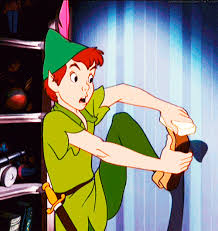 Detaching from our shadows is a fantastical fright, for what is more intimate and yet mysterious than our shadow, our companion from the first sunny days of our lives? We watch it grow with our own growth and with the rise or fall of sunlight behind us.
![IMG_0420[1]](https://thoughtsafterseventy.com/wp-content/uploads/2020/05/img_04201.jpg?w=224) Most days, unmindful of my shadow, I am surprised when I notice it lengthening before me on a spring walk. I notice my aging stance. Did my knee always turn in at a funny angle, or is this something new? Communicating with our shadows is a self-indulgent pleasure .
Most days, unmindful of my shadow, I am surprised when I notice it lengthening before me on a spring walk. I notice my aging stance. Did my knee always turn in at a funny angle, or is this something new? Communicating with our shadows is a self-indulgent pleasure . Sometimes the shadows share importance with the object, as in some paintings by Norman Lundin. His many compositional brilliances that feature shadows cast across classroom blackboards are equally as important as the object or person who cast them. Our admiring eye finds pleasure in the angles of lines across a flat surface.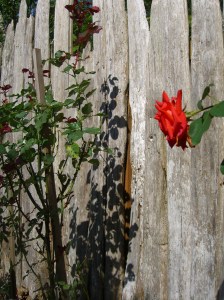
![IMG_0419[1]](https://thoughtsafterseventy.com/wp-content/uploads/2020/05/img_04191.jpg?w=224)
 No icy fingers reached to pull me inside.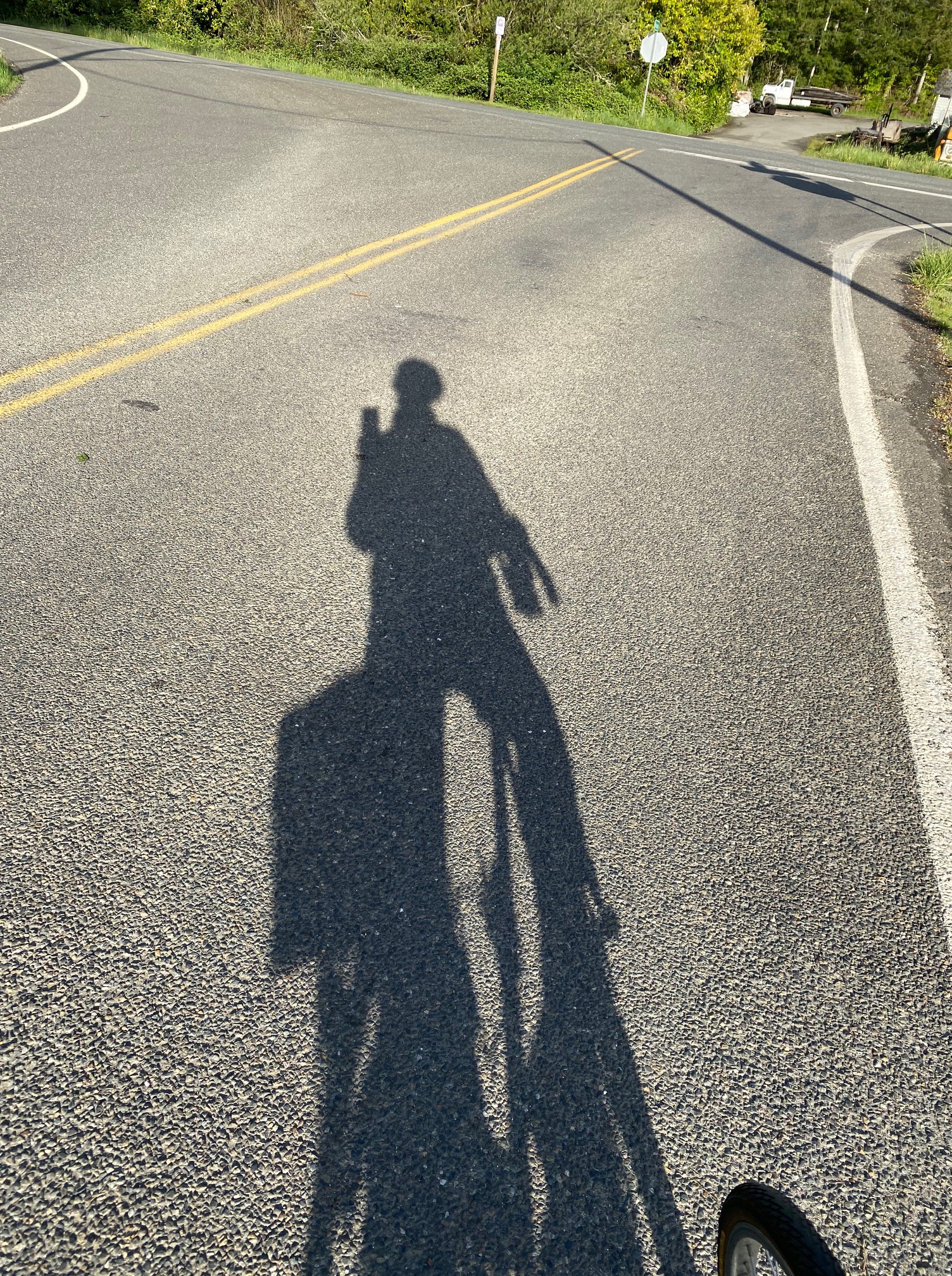
 Mary's Room With a View