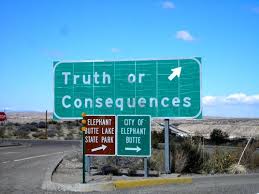
Truth or Consequences is not only a desert location in New Mexico, it was also a popular game show that bridged radio to television years from 1940 to the early 1980’s. The object of the game was to discern which guests told the truth about some life experience. Guess right and the consequences were a win. Guess wrong and you were a loser. Seems right in line with our polarized either/or world; however, I want to depart from those extremes and think about the truth OF consequences.
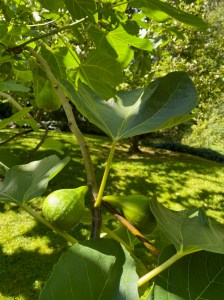
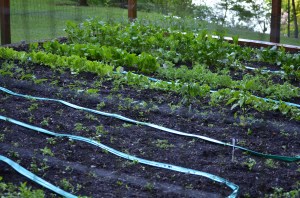
Here I am at our Quilcene cottage in late August harvest time . The romaine in my garden lines up like a green battalion of soldiers. In parallel lines — arugula, carrots and beets. 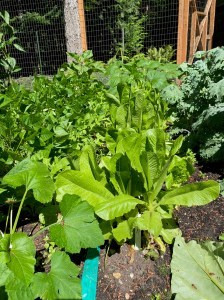 All are ready to eat NOW, but we can’t consume it all, and neighbors graciously accept only enough for a salad or two. As you sow, so shall you reap. Did I over-sow? With minimal reading of seed packets, I should have planted sequentially, a few seeds each subsequent week, and prepared for a staged harvest (consequences). About a dozen years ago, I bought a small one-gallon size fig tree and planted it in the middle of our little orchard where a pear tree had failed. Yesterday we drove up and down East Quilcene Road with buckets of figs for neighbors we hoped would accept some. Luckily, Scott and Susan have a food drier and accepted the load. How could I ever have imagined that little potted fig would produce so many? Neighbor Raj calls figs “the fruit of the gods.” Funny that we live at the foot of Mt. Olympus, because our fig harvest this year could supply a bacchanalia for every god from wood nymph to Zeus.
  Some consequences we should/could have foreseen. Others resulted without possible foresight.
Similarly, What goes around comes around. That expression is a first cousin to the sowing maxim. It connotes consequences like just deserts. Parents admonish children that their actions, if ill considered, could ricochet, causing them harm. Punch the neighbor child, and that kid may grow up taller and stronger and seek revenge. We relish such consequences when we root for an underdog. There is always a dog in there somewhere, and it may grow up to bite back. 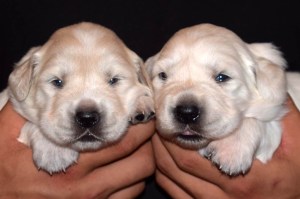 These are the consequences of justice. Such ironic justice explains the popularity of mysteries. it is satisfying to see the criminal in irons, even more so if, as Hamlet plots revenge on Claudius, the miscreant is “hoisted by his own petard.”
Although not always anticipated, consequences can be as pleasant and circumstantial as tying a child’s shoe prevents stumbling. May I assume that you too want the consequences of your choices to be favorable? Last week I stood in line to check out groceries at the local Safeway. I chose the shortest line, only one customer ahead of me. You can see what comes next. Murphy’s Law: the adjacent check-out line with four customers moved faster than mine. Ahead of me was a man of my age (elderly) in a large, motorized wheelchair. His shopping cart brimmed with purchases he handed, as best he could, one-by-one to the clerk. As he sought his food coupons to pay for his purchases, I watched as one-by-one some of his items were set aside to be returned to shelves. My heart hurt. He could not afford to buy the chicken, the slices of ham, primarily the more expensive groceries. I could buy these for him, but I also didn’t want to insult the man with an offer that might look like charity. Nonetheless, I knew the consequences for me if I failed to speak. “Excuse me, sir. I see you don’t have enough money with you today to cover everything. Would you please let me pay?”
He smiled and accepted: “Thank you,” he said. “Thank you for paying it forward.”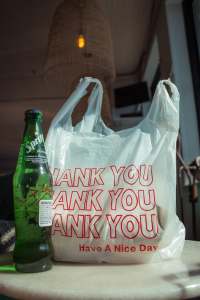
I hadn’t heard that phrase in a while, but his gracious acceptance drew me into community with him.
“I try to pay it forward too,” he continued. “I served in the military, and that was me paying it forward.” As I walked home laden with my own groceries, they felt lighter, the way happiness diminishes weight.
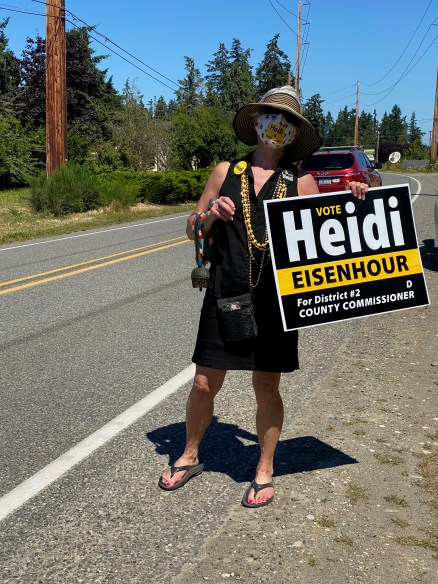
This past week the Democrats held their national convention. This coming week the Republicans will nominate their choices. There isn’t a voter in this country who should fail to think of the consequences of voting. Whether in local or national elections there will be consequences, and that is the TRUTH with which we will live.
 After washing our hands at the soap pump – local, home-brewed soap –our invitation was checked off at the entrance by a friendly masked host who ushered us to our sanitized table.
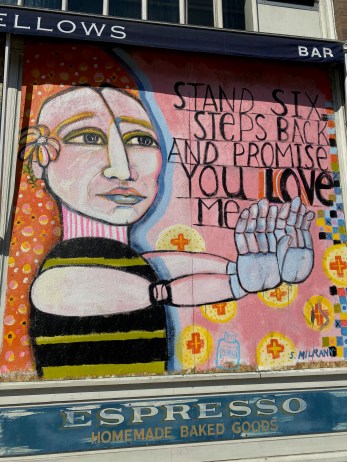 Perhaps not so, if you don’t happen to like your governor, or the governor belongs to a political party with which you don’t identify. Sad, but true, communicating emergencies connotes urgency depending on who sends out the warning. Hard to think if we get the next big earthquake and warnings come from your unpopular government official so you stay exposed to falling structures. Perhaps the shaking ground will prompt people to safety.
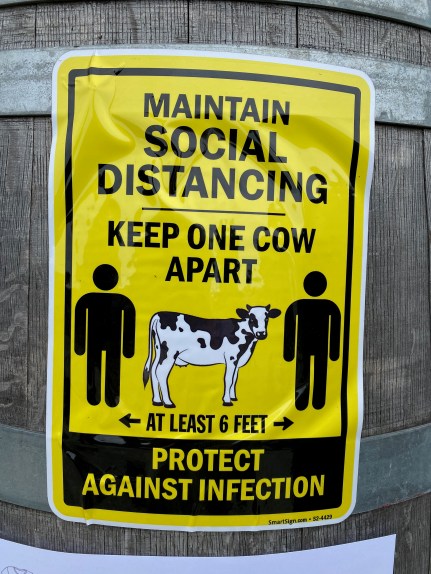
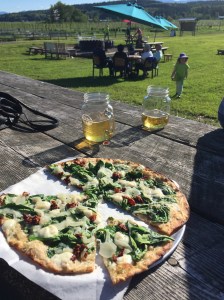 There I was enjoying my veggie pizza and Apple Oak Cider while envisioning a heifer between my friend Kathryn and me.
![IMG_0779[1]](https://thoughtsafterseventy.com/wp-content/uploads/2020/07/img_07791.jpg?w=263&h=352) My imagination is engaged. I can feel a bull’s snorting breath on my derriere. Had I been inclined to take a shortcut through the rancher’s field, I dismiss the notion with a laugh.
My imagination is engaged. I can feel a bull’s snorting breath on my derriere. Had I been inclined to take a shortcut through the rancher’s field, I dismiss the notion with a laugh.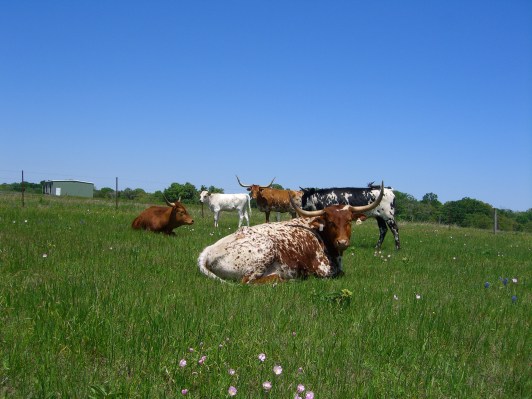
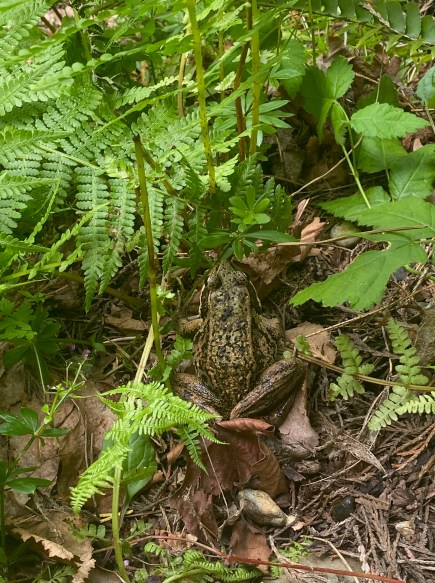
 Summer nights we drive with the guys to cranberry bogs where the boys take.22 gage rifles from the car’s trunk and aim them out toward the bogs where frogs have stilled their songs. Then the guns fire, the shooters gleefully enjoying the sight of frog parts exploding among the cranberries. Easy, fear-frozen targets for reckless teenagers.
 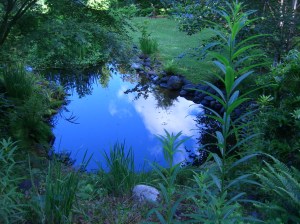 Here in the Pacific Northwest, in March, Nature’s early promise of spring comes with frog song from the pond and surrounding woods. Weeks before robins, chickadees and violet-green swallows take up their warbling sopranos, the bass line is sung by frogs caroling for potential mates from misty dawn until dusk.
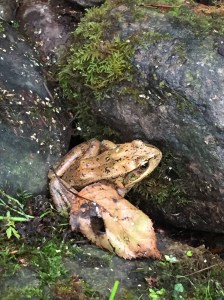 How can we value those songs we take for granted, knowing they are not our own, but somewhere around us in the vernal woods and waters that we treasure?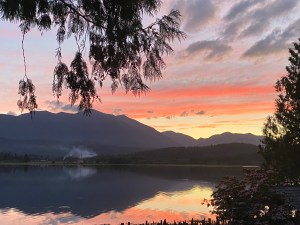
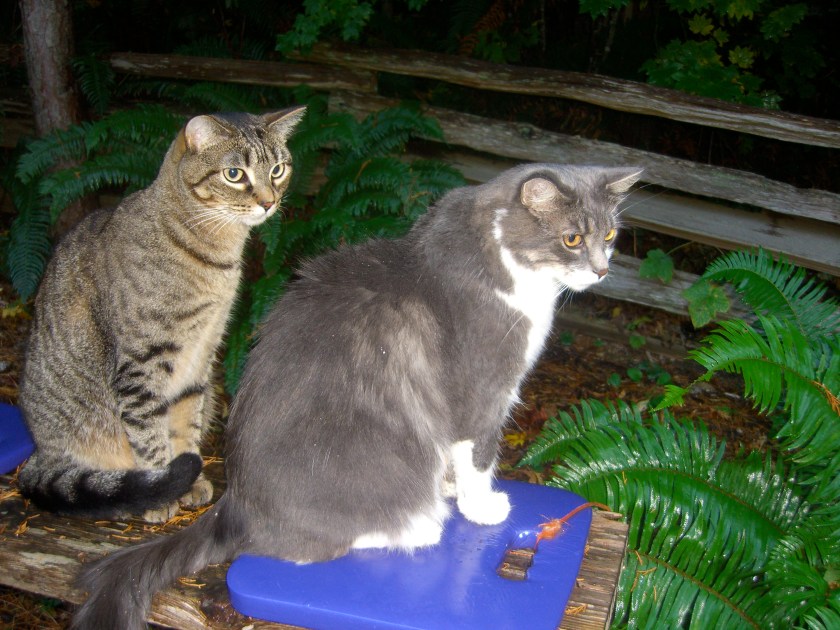
![IMG_0278[1]](https://thoughtsafterseventy.com/wp-content/uploads/2020/03/img_02781.jpg?w=224&h=300) Some trees are decaying remains of towering firs, in their slow death, still useful for persistent woodpeckers. Stellar’s jays drop from limbs above, then hop along behind us snatching peanuts in defiance of Homer who long ago gave up terrorizing the hungry birds, choosing instead to pounce between us on a bench where he nestles against the warm coffee mugs. Today, we have passed our first trillium sticking up like a green finger from the middle of our trail.
Some trees are decaying remains of towering firs, in their slow death, still useful for persistent woodpeckers. Stellar’s jays drop from limbs above, then hop along behind us snatching peanuts in defiance of Homer who long ago gave up terrorizing the hungry birds, choosing instead to pounce between us on a bench where he nestles against the warm coffee mugs. Today, we have passed our first trillium sticking up like a green finger from the middle of our trail. ![IMG_0282[1]](https://thoughtsafterseventy.com/wp-content/uploads/2020/03/img_02821.jpg?w=224&h=300) We have touched the pliant leaves of wild plums.
We have touched the pliant leaves of wild plums.![IMG_0283[1]](https://thoughtsafterseventy.com/wp-content/uploads/2020/03/img_02831.jpg?w=224&h=300)

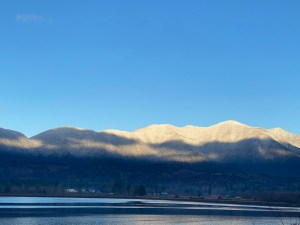
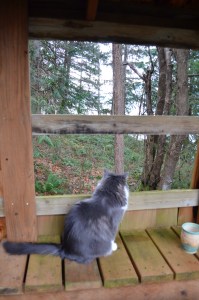 Those mugs are drained of coffee as we step down the ladder. Sometimes Homer rides Allan’s shoulder, for the cat’s weight makes a downward climb cumbersome. Then we are off down the trail to the sandy beach. This bench affords a western panorama of Olympic foothills. The sun illumines snowpack or new spring green.
  Along this lower trail, I kneel to clear off fallen leaves that cover two crosses made of stones, one with the name Celeste, the other Toulouse, grave sites of our first two felines whose companionship named our routine the Kitty Walk.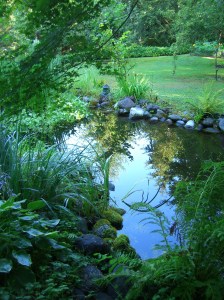

 How excited they are to fill me in on what I failed to teach the year they were in my class. Here I could groan in 3-D cynicism, not to mention disappointment. Instead, I share their joy that their minds are still engaged learning about their English language and literature.
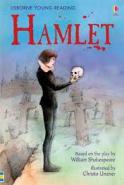 In the final act, Hamlet is about to have a duel with Laertes, a fight that he will likely lose. Hamlet’s friend, Horatio, tries to deter him from the match, because Laertes is by far the better and more practiced swordsman. Hamlet won’t be dissuaded, saying, There’s special providence in the fall of a sparrow. If it be now, ‘tis not to come; if it be not to come, it will be now; if it be not now, yet it will come. The readiness is all. ( Hamlet, V, ii, 230-233). Hamlet knows he will likely die, so when he dies is not his concern. What is important is his readiness to die. He is ready. How lucky for Act 5 and for preparing the audience to accept the inevitability.
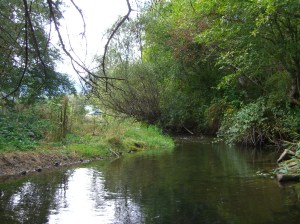 On the opposite side, there is humility in readiness. These are the agreements we make with each other to step out of our comfort zone, to try something new. One-two-three- ready . . . set . . . go! and I am leaping off a small ledge to cold waters when my brother encourages me to swim downstream.
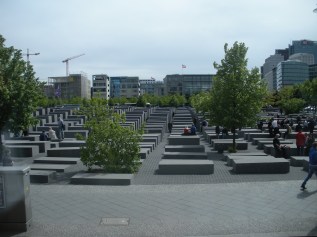 Reading about the German environment prior to Hitler’s rise – the accepted antisemitism, distrust of immigrants (Roma), excessive nationalism, putting The Fatherland first – it is clear that enough of the German populace was ready for Hitler. He was duly elected in a “democratic” republic.
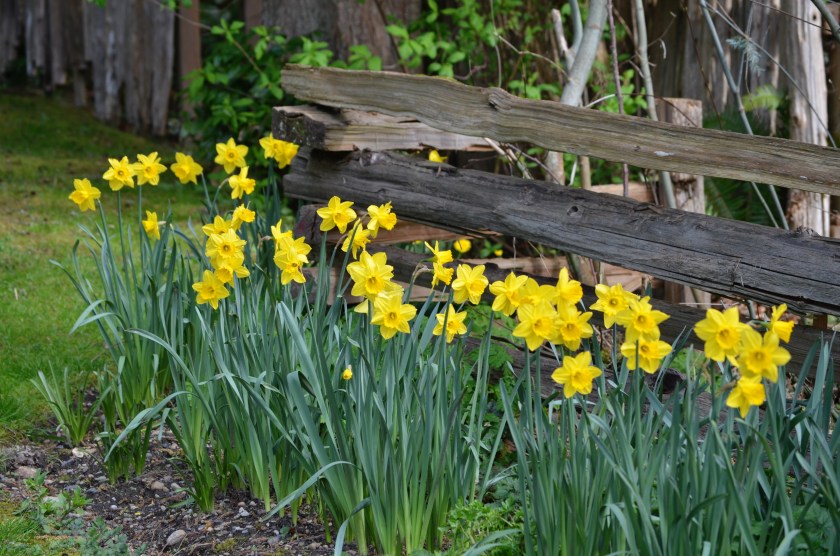
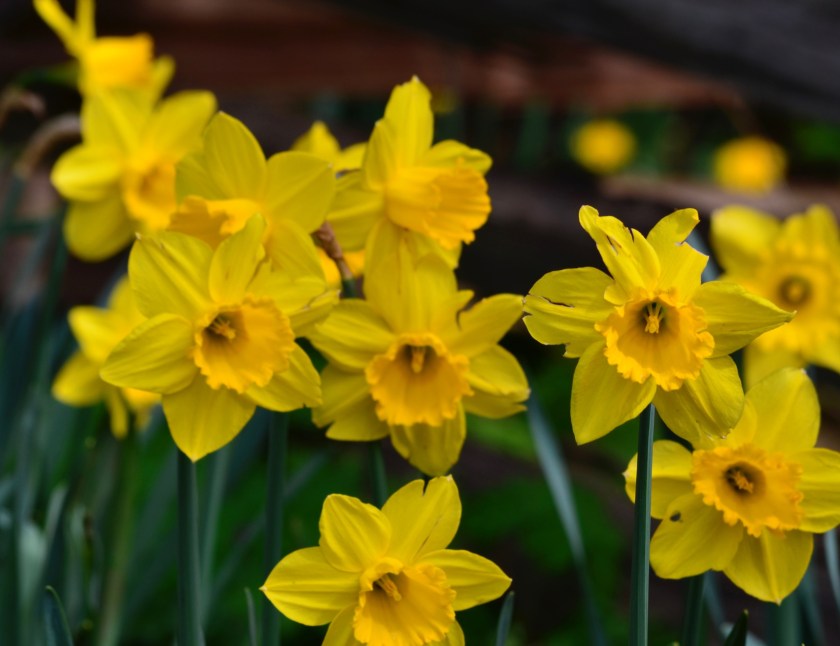
 I hear myself reciting from another sacred text: For everything there is a season, and a time for every matter under heaven: . .. God has made everything beautiful in its time. (Ecclesiastes 3, 1 & 11). Yes, a time to plant and a time to sow . . .. Every year I jump the gun when my readiness does not match Mother Nature’s.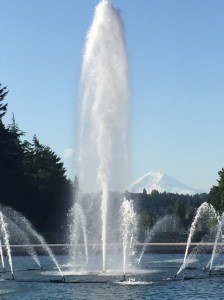

 I jumped to Obama’s defense. “Are you aware?” I asked my friend, “that you regularly disparage people who have money, although you are quite wealthy by any standards?” My words reduced her to tears. I felt as if I had wounded my sister.
 Do Americans more freely offer opinions than people from other countries? If so, perhaps there is a link to the way we teach our students. When teaching high school English, I may have started the class with “What happened” questions just to review the plot of our current book, but I soon moved on to the Why questions, those asking for opinions, granted opinions backed up by the text. We call it critical thinking, and American schools pride themselves in educating not only willful students but also ones who think critically.
 So many balls in the air at one time. Then back to Fox News, or CNN, or any other show touting itself as a news source. Good luck at finding anything approaching factual news. A body lies on the pavement, a VW in the ditch, but the commentator is rushing around with a microphone asking twenty people what they THINK happened.
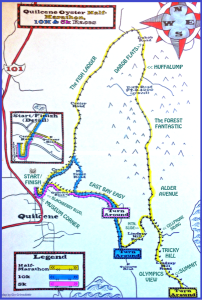
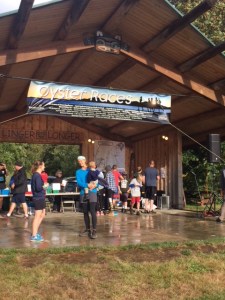 I don’t think I have run more than 6 miles in 2-mile increments, since 2016, when I ran the half marathon (another last minute decision) . This Sunday, I turn on I-Tunes on my phone at the start of the 10K. It will take only two complete replays of Pink Martini’s “Get Happy” album to keep me company until the finish line.
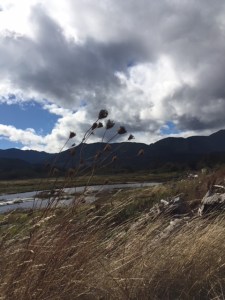 Its force reminds me that I am a slender woman who with a big gust could be blown off the road to topple on to the grassy fields. I pass ancient apple trees, their trunks bent in testament to the wind, fallen apples fragrant with fermentation.
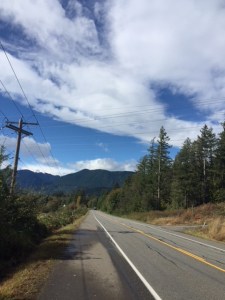
 I begin the slow ascent south that will take me by the field where Racer the horse used to run to greet me for a fistful of grass. Gone now, his spirit keeps me running. Soon I approach the water stand outside our own drift-wood fence where my husband sets out paper cups of orange and lime Gatorade on a small table. I grab, gulp and go on. I know the hill rises steeply for another eighth of a mile, the open view from the top, showing the bay is at high tide, the longer autumn shadows splitting the sun on the water’s surface. Blackberries thrive on that hill top, berries now dried and fragrant as old wine. Turn-around for the 10K comes in a dip in the road, darkened on both sides by Palmers’ woods, old as the peninsula itself in giant Doug Firs and Big Leaf Maple trees. If I were not mid-race, their deep woods would invite me in. But here is turn-around, monitored by Linda and Stan Herzog. Linda calls my name. Stan snaps a photo.
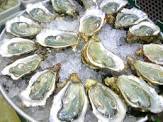 This is an oyster run, celebrating Quilcene’s famous oysters, so the aroma of wood coals and garlic bread already permeates the air. Depending on where you stand, it is fried food or local ale to keep a mind motivated for returning to this spot after the race. Everyone is happy. Those who know me, cheer me on. They seem more confident than I that I will make it the whole way. I will make new friends as the race begins, when I discover whose pace falls in with mine. That is how I meet Michele and Meg. We don’t talk much during the run. All of us are tuned in to whatever music lifts one foot in front of the other, but there are moments of encouragement among us. Good going. Feel free to pass. Yes, the hills are tough for me too. I pass a woman with her arm around her young son, a stalky boy who clearly has some cognitive impairment. He smiles widely at me.
 And finally, the physical part. I want to remember when the endorphins kick in after the 2nd kilometer. I am running downhill by the green apple tree where yesterday I stole enough for a pie. I look up to Mt. Walker ahead and my chest fills with autumn-washed air. Breath is wonderful. Deep, deep breath is exhilarating. I could run forever on this feeling. I could spread my arms and mimic the gulls and ravens swooping over the bay. I start to write this essay in my head so no feeling will fail to remain.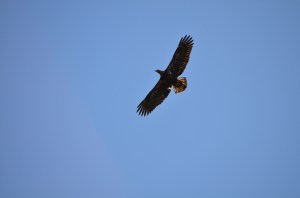
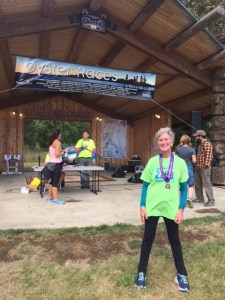 Only after one takes my picture, do I realize my face is raspberry red. I sit by another runner on the grass while our bodies cool. The sun is full out, but I am beginning to chill. My newly acquainted runner drives me back to my cottage where I peel off my running pants and shirt. My tongue tastes salt. My skin feels like salt. I realize I have excreted a good amount of salt water. As soon as I persuade myself to leave the hot tub jets, I will drink a tall glass of water. Every part of my body has been used: my feet, my legs, even my shoulders and neck. I should feel beat up, but I don’t. I feel twenty years younger. Maybe I will get back into this running thing.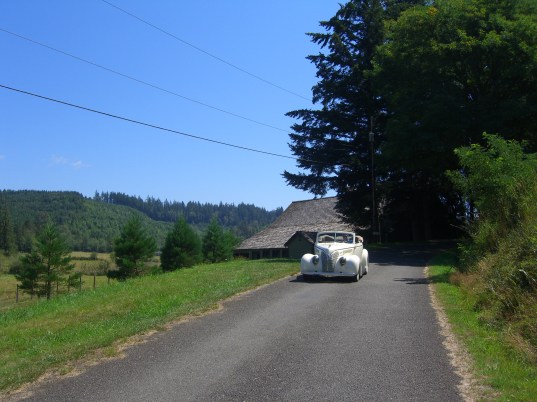
 And none too soon. Driving back to Seattle later that morning, we spot a sleek, futuristic car speeding past us on I-5. Its silver lines are like a heron in flight. Sharp and angular, the chassis is mostly sculpted metal for aerodynamics, with only a small bubble for driver and passenger. As it speeds by our 1997 Toyota, I note a New York State license plate.
 We keep both automobiles at our Hood Canal cottage, driving them only on sunny days, a rarity except for summer months. He also pauses the T.V. remote on the car auction sites when channel surfing for a program we might both enjoy. As for fast women, I can’t say. I snagged him pretty early on, and he was a shy guy who found me interesting enough to ask me to a movie.
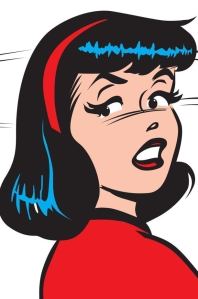 Marsha, for example, had that same silky black hair that cascaded in a rakish wave over her left eye. She rolled her shoulder length hair in wide curlers that she slept on all night. I did the same, waking in the morning, my cheeks branded with curler rounds, having slept fitfully on the plastic rings that were held in place by stiff internal brushes. I also learned how to smoke, tapping out a Pall Mall Thins from Marsha’s pack that she kept in her plastic purse. Those were the sacrifices needed to be a fast woman. I could only dream that the good-looking guys would look at me the way they looked at Marsha.
 Besides, the night before, we stayed up late to watch an old Paul Newman movie, The Young Philadelphians. I can never get enough of Paul Newman with his shirt off. It has been years since I relinquished any fantasy that Paul would leave Joanne Woodward for me. Today I cherish my husband’s stride with a noticeable limp from his basketball years, while I still remember the muscles in his thighs when he leapt for his famous hook shot.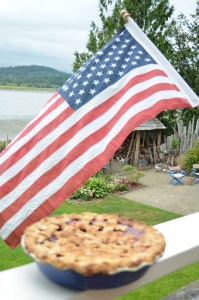
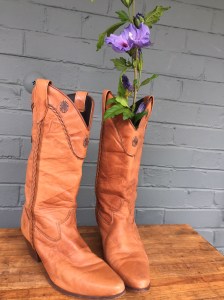 For many, Independence has come to suggest self-sufficiency. How many men (yes, it is more of a male thing) have boasted that they “pulled themselves up by their own bootstraps?” My love for figures of speech intrigues me to imagine some dude leaning over his cowboy boots and tugging on those side-leather extensions until he becomes entirely erect, feet shoved into the narrow toes, head shoved high into a ten-gallon hat. Under that hat he has not imagined the person who made the boots, or even the parents who, at the very least, fed him for his early years, and likely purchased the first boots for his tiny toes. No sir, he did “it” all alone, whatever “it” is.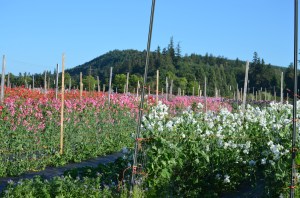
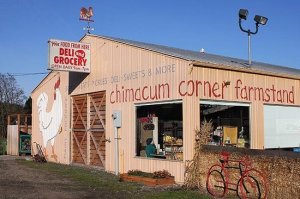 To celebrate success, the farm stand owners decided that the week after the 4th of July, they would declare an Interdependence Day. Over eight years, the celebration grew too large for the farm stand and its pebbled parking lot. The party moved over the intersection to Finn River Farm and Cidery, today, a million dollar business that started because one farm family and the Land Trust figured out a way to acquire land for orchards, and farm buildings for cider tastings and casual dining adjacent to fields along the salmon-running Chimacum creek — where families could toss horseshoes, or play shuffleboard, while local musicians tune up their fiddles in what once was a feeding trough for pigs.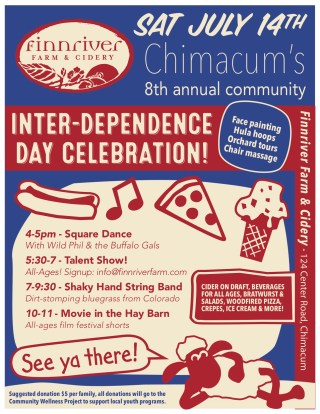
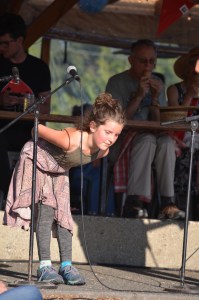
 Last Saturday, Allan and I sat at a round table we shared with new friends. We drank cider, ate pizza and watched parents and children line up for the talent show. Sitting under the late afternoon sun, families and friends applauded as each child stretched to the microphone with a ukulele, harmonica or their own sweet voice. The audience whistled and clapped. Children need that applause because they are growing. They are growing, not by themselves, but with the love and support of that community on which so much depends.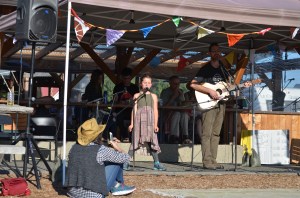
 Mary's Room With a View