
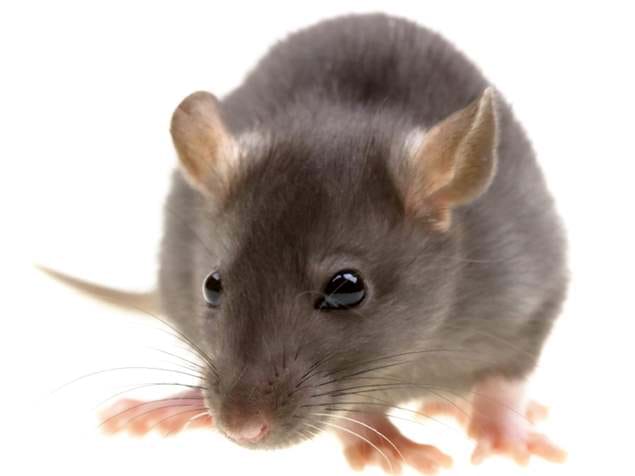
Nothing evokes terror quite like RATS – except decaying rats – especially having been trapped, when they decompose beneath the floorboards under your bed. The foundation of our Quilcene cottage rests on stilts and beams, a short hundred feet from shoreline, so vulnerable to wildlife shinnying up the posts to seek a home in our home. Mid-August presages winter for all of them, consequently we are accustomed to spotting spiders emerging from kitchen sink drains, or signs of mice who scrounged insulation for nests beneath the range. Our visiting granddaughter, sleeping upstairs in the loft, alerted us that mice raced through the walls behind her bed during the night: “I live in Brooklyn, Nana, so I know the sound of scampering mice.”
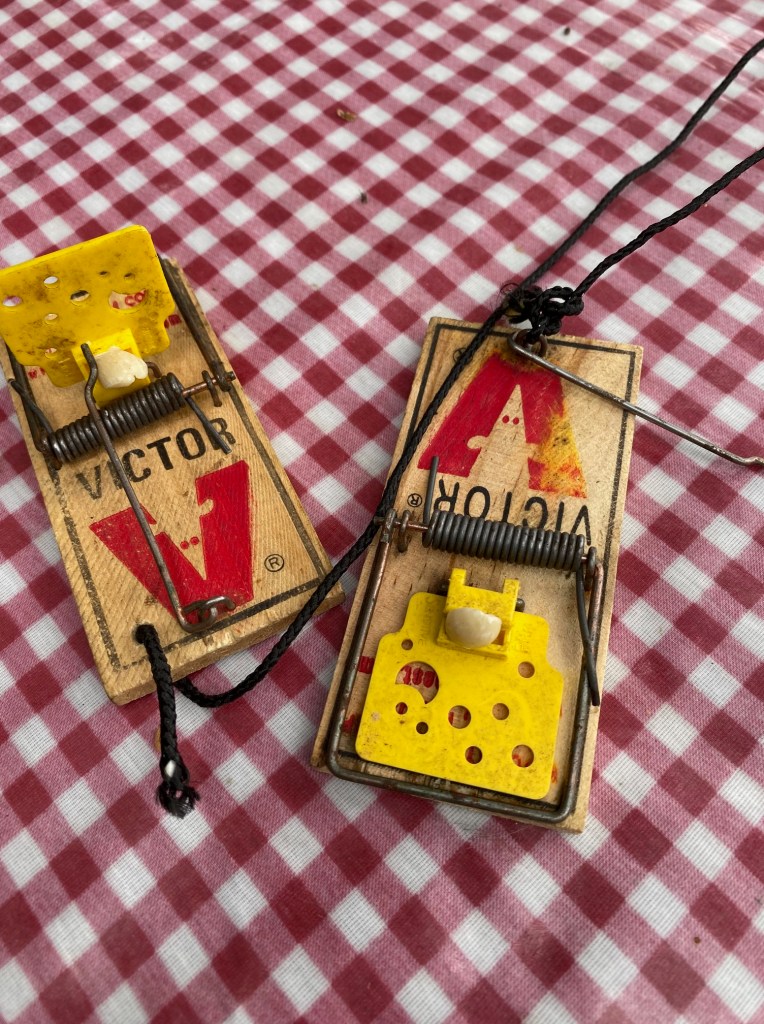
Allan fetched traps from the garage that he strategically placed in the kitchen, bedrooms, and two out-buildings (garage and studio). The very next day two mice bit the peanut, then bit the dust in the garage. He set a larger rat trap in the closet by our bed, a small door within the closet opening to access plumbing and, by extension, the underflooring of our cottage set on stilts.
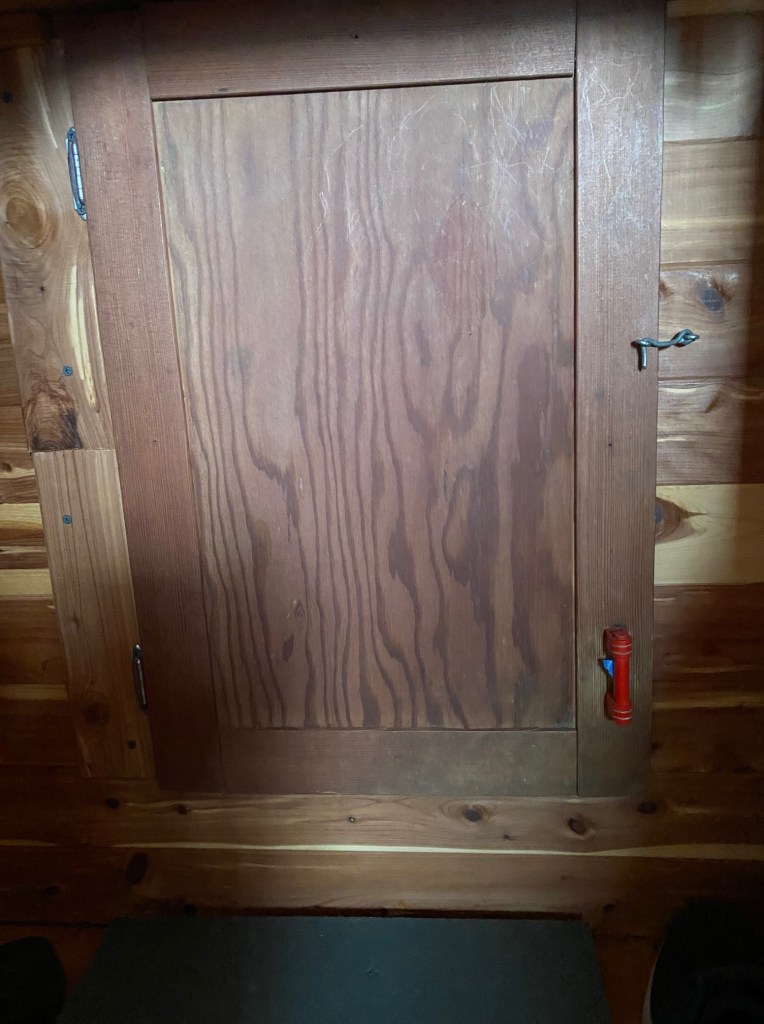
This weekend, we returned not to that trap wrested from its perch but to a smothering stench sifting through our bedroom. No trap, no rat within reach. After midnight, donning rubber gloves and aiming a flashlight, Allan plunged through the door opening to the floorboards, and grasped the corpse of an eight-inch rat (sans tail). Under a full moon, he tossed the rat over the front fence where incoming tides will carry it to rat heaven.
Despite a sleep deprived night, I awoke today dismissing the stench and considering why I am predisposed to despise rats. Without them, where would medical advances be? Then the beloved literature of my childhood – Ratty, the most intelligent, compassionate creature in Wind in the Willows? Not to exclude Ratatouille, a Pixar heart stealer.

When I served as a child advocate for foster children, nine-year-old Colin was found by CPS surviving under a Seattle bridge. Having escaped an abusive home, he lived day-to-day on his own wits, both ill and hungry. His anger and fear affected his behavior, so he was transferred from one foster placement to another for four years before the perfect patient and wise couple from NY State invited him to their home. In one foster placement, Colin was allowed a pet. He chose a rat whom he adored. On my visits I would find him curled on an overstuffed couch, his arm stretched out so his pet rat could scamper up to nestle by his cheek. It is no accident that Colin identified with a creature known to be lowly and despised.
Before breakfast, I put away my rodent reflections to check my email. I had been sent a blog post from a writer from Mississippi, a writer whose name slumbered in my memory. Rather than immediately read it or delete it, I rested on “Mississippi.” Why would I read something from a Mississippian who probably has a far-right scree to send? It is a state whose schools are historically inferior, that bans abortion rights, a state that voted for Donald Trump with 57.8% of the votes in 2016. No rat in my meditation, but I had been invaded with that predisposition to judge. Luckily, I set it aside, clicked on the blog post and enjoyed an insightful essay about poetry, memoir and location by Beth Ann Fennelly, a poet whose poem I had copied one month for the poetry box. My request for her permission put me on her mailing list. Her writing felt like a gift. What a creative start to my day.


 Mary's Room With a View
Who else but Mary could write a cohesive blog that included rats and Mississippians, with the connector that there is good and bad to be found within each of these groups? I love being reminded of the good rats — in children’s fiction, in laboratories, and as precious, comforting pets. And I heartily agree that the 42.2 percent of Mississippians who did not vote for Trump, most probably including Beth Ann Fennelly, are good Mississippians.
LikeLike